How Movie Marketing Campaigns Became Hollywood’s Biggest Hype Machine
A few years ago, a movie marketing campaign used to build anticipation. Today, it’s expected to create a cultural moment.
Long before audiences buy a ticket, they’re already interacting with teaser clips, debating fan theories, sharing memes, reacting to casting announcements, and watching creators dissect every frame of a trailer. In many cases, the marketing campaign begins months before the movie arrives, and the conversation around it becomes part of the entertainment itself. For Hollywood, this shift isn’t optional.
In an attention economy dominated by endless scrolling, streaming platforms, gaming, and creator content, visibility has become one of the industry’s most valuable currencies. A film that captures online attention early can dominate the cultural conversation. One that doesn’t may struggle to break through, regardless of quality. That’s why modern movie marketing campaigns are no longer just promoting films, but building communities and fueling speculation.
So, grab your coffee, dim the lights, and let’s step behind the Hollywood curtain to understand how movie marketing campaigns became the real blockbuster long before the movie even premieres.
Hollywood’s new product is ‘participation’
People do not only want to watch movies as an audience anymore. They want to feel included and know what happens before the release.
This is why modern-day movie advertising has shifted away from old-fashioned advertising and towards creating internet moments. Films are now marketed through memes, fan theories, viral interviews, teaser drops, and bite-sized video clips tailored for TikTok and Instagram Reels; all of these work together to create a cultural presence online before the first box-office receipt is rung up.
Today, the movie itself feels like the final stage of the campaign.
The “Barbenheimer” moment changed everything
The hype around the movies Barbie and Oppenheimer demonstrates how combining traditional marketing with social media engagement can generate buzz for a film.
Though both films had strong marketing campaigns, their online presence and highly engaged fan communities contributed significantly to the overall excitement leading up to each film’s release.
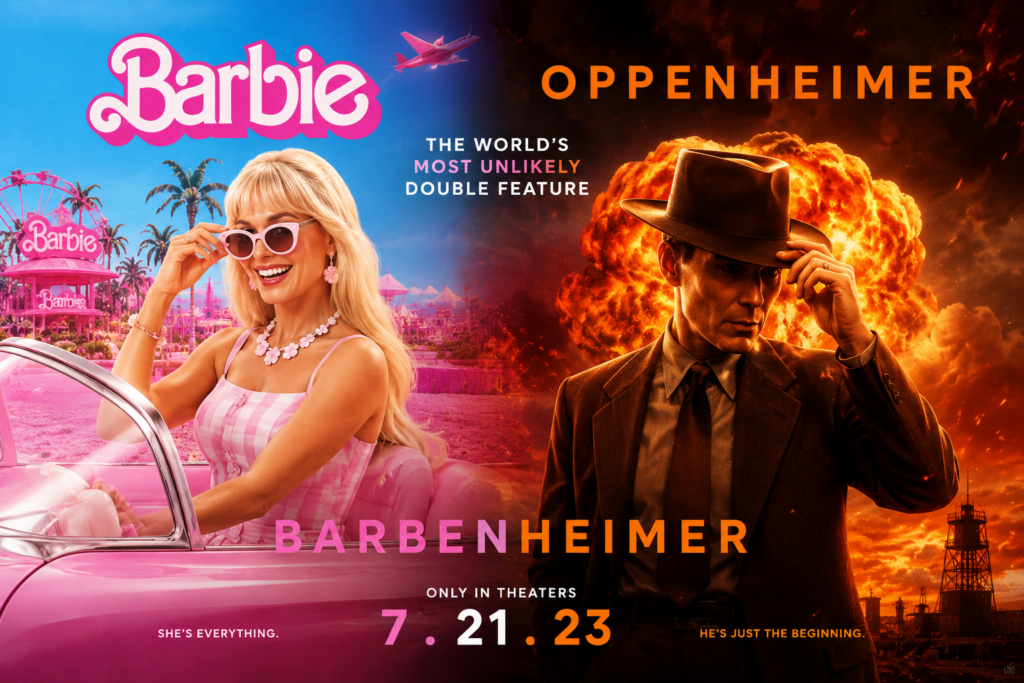
Barbenheimer wasn’t successful because Warner Bros. and Universal planned it. It succeeded because audiences co-created it.
The most successful movie marketing campaigns now leave room for audience participation.
Movie marketing campaigns now start long before the trailer
Despite being significant in their own right, social media’s ability to generate excitement for movies is far greater than TV commercials’.
The primary way movies and their marketing campaigns are designed to get people excited is now through short, viral clips. That can be posted on TikTok, Instagram Reels, YouTube Shorts, and Facebook.
One 30-second clip from a movie can become a top-trending audio file, followed by meme material from a celebrity interview or behind-the-scenes footage, all of which can spark viral conversations across many platforms.
Because viral content spreads so quickly compared to polished ad campaigns, studios are also creating promotional materials. Those are designed solely for shareability.
In fact, the scope of movie marketing has expanded to a point where studios consider an actor’s social media fan base and digital influence when making casting decisions.
Teaser culture has replaced traditional promotion
Hollywood now stretches movie promotions across months to keep audiences constantly engaged. Logos drop before posters; teaser clips arrive before trailers, and every reveal is designed to become a social media moment.
Many films use logos, posters, teaser clips, and trailers to generate anticipation and online conversation long before they hit the theatre. While film studios do still use promotional bursts to create excitement around a film.
They have also changed their focus to creating long-term online conversations and anticipation surrounding the film rather than just in-theatre promotions.
Fandom has become free advertising
The fan base has become a major marketing tool for Hollywood.
Through memes, fan-created videos, Reddit posts that spark speculation, reaction videos, and cosplay, movies are getting exposure from fans without costing studios money every time they generate an impression.
Franchises like Marvel have also used the power of speculation as a strategy by conditioning their audiences to examine every teaser and post-credit sequence. Today, audiences expect ongoing interaction before a movie is released.
Marketing budget > production budget
Studios are currently vying for the same audience’s attention in an incredibly crowded space, which includes streaming services, gaming, content creators, and social media.
As a result of this increased competition and opportunity for success through word of mouth, marketing budgets have increased dramatically! A highly buzzed-about movie can still hit box-office success even if it is a bad movie. Likewise, a good movie that lacks visibility or buzz will fail very quickly.
In Hollywood, the importance of the conversation surrounding a film has to be as high as the film’s quality.
Influencers are becoming part of film distribution
Studios began identifying creators and influencers as media channels.
Thus, TikTok creators, meme pages, and YouTube creators are increasingly included in campaigns targeting younger audiences, as younger consumers have more confidence in influencers than in traditional advertising.
For younger consumers, the experience of finding a movie through a creator feels more significant and genuine than through watching a television advertisement.
Recent examples illustrating how movie marketing has changed
This constant need for visibility has completely changed how studios now promote films online.
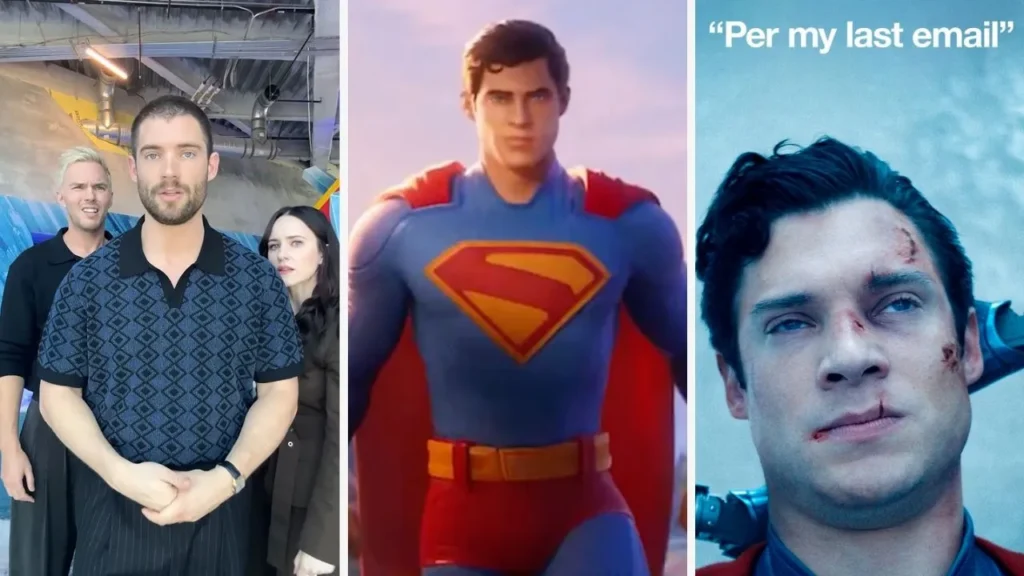
For example, Superman leaned heavily into influencer collaborations, fan activations, and social-first promotions to dominate online conversations.
Another example is the Minecraft Movie, which opened to one of the biggest box office debuts of 2025 by turning gaming fandom into a social media movement. Through meme culture and creator-led promotional tactics that connected with fans in a highly interactive way.
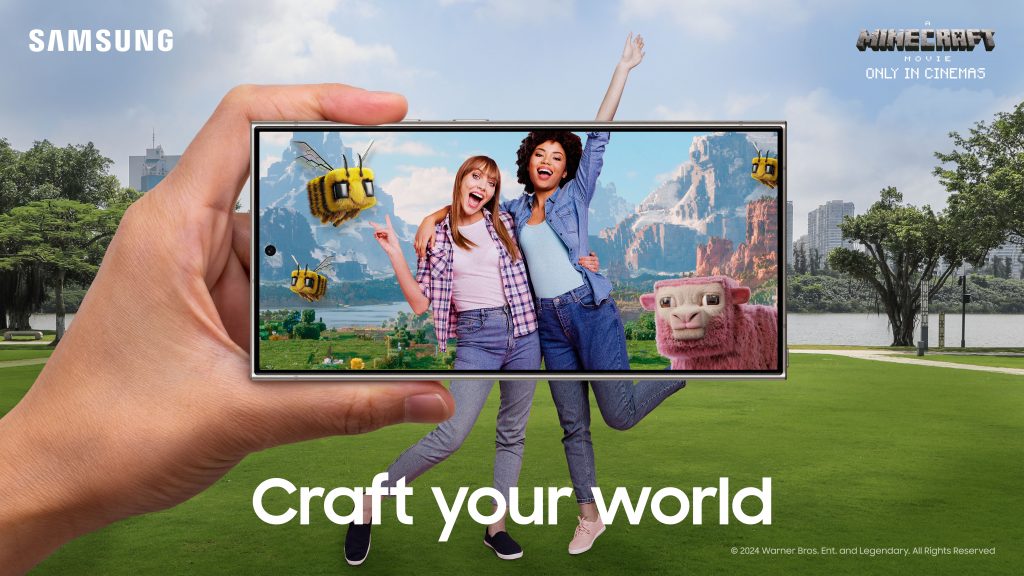
With the rise of creator-focused marketing, there are now a multitude of Creator-led promotional tactics emerging as standard operating procedures across the film industry.
According to a 2025 report, influencers, meme pages, and creators generated billions of engagements for movie campaigns this year alone, proving that social-first promotion is now central to film.
“Attention” is always the real product
The largest philosophical change in film marketing is that studios now view marketing as part of the entertainment product itself, instead of something that just supports the movie.
All of the various memes, teasers, interviews, fan theories, red carpet appearances, and creator reactions. And viral trends that emerge before a film release are now an extension of the overall movie experience.
Studios realize that their audience is online long before they go to see a movie. And therefore, to capture that audience’s interest very early in the marketing process (if they want to survive).
The evolution of film marketing means will continue to be more interactive, customized, and native to the internet. Cinematic marketing methods such as AI-generated campaigns, social experiences, and narrative-driven by fan bases are being redefined.
In the current landscape of entertainment economics. The release date is no longer just an event marking the end of a film’s marketing campaign. But rather, the culmination of efforts that began months before its release.
Cut to the chase
Hollywood now markets not only to sell movies. But also hype, culture, and Internet chatter for months leading up to a movie’s release.
Through social media platforms (viral memes, influencer campaigns, etc.). Today’s marketing strategies are just as significant as the films they are promoting. To see how Hollywood generates interest in films that convert into box-office success, be sure to check out the whole article.
FAQs
Movie marketing campaigns are strategies studios use to promote films. Through trailers, social media, influencers, and viral content before release.
Social media helps movies build hype quickly through memes, TikTok trends, reels, and online fan discussions.
Recent examples include Barbie, Oppenheimer, and Deadpool & Wolverine.