
Marketing to a Multitasking Audience in 2026: Strategies for the Attention Economy
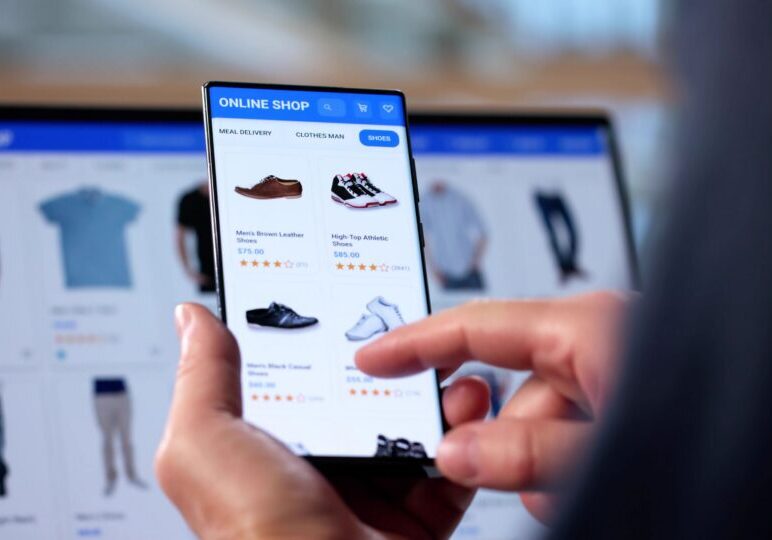
If you sit in any café or subway, or look in someone’s living room, you’ll find that everyone is doing some sort of multitasking with their phones – they are either scrolling through social media while watching a show, responding to messages while listening to a podcast, or browsing products while on a video call.
In 2026, multitasking is not just a behavior — it is the default mode of digital life.
Consumers today are moving around devices, platforms, and formats very quickly. A single purchase journey may start on social media, then proceed to video reviews and search results, and finish with an app purchase.
According to Ad Pulse in its analysis of the attention economy: “The mediums of attention are no longer just channels, but rather devices, screens, algorithms, and experiences.”
For marketers, this means one thing: reaching today’s audiences requires strategies built for fragmented attention and cross-platform behavior. To succeed, brands must rethink how they capture interest, deliver value quickly, and stay visible across multiple touchpoints. Let’s explore how marketing is evolving to meet the multitasking consumer of 2026.
The rise of attention span marketing
The trend for 2026 resembles a move towards Attention Span rather than Assumed Consumption of content.
Brands will no longer assume their Audience will consume minutes’ worth of content on average; instead, they will focus on designing an instant experience that attracts appropriate attention.
Research has demonstrated that videos under 60 seconds can yield nearly 50 percent engagement, compared with longer formats.
For this reason, the use of short-form video as the Primary form of discovery across Social platforms is growing. Short-form video is now the “gateway” to Brands’ discovery: the first exposure for an Audience to a Brand.
However, short attention does not necessarily mean shallow engagement. The trick is designing content layers:
- Short-Form – Attention Spans
- Mid-Form – Interest
- Long-Form – Conversion
In 2026, brands that capitalize on the Attention Ladder will successfully take users on a journey from fast discovery to deeper engagement. At the same time, attention has become one of the rarest resources in marketing. The average digital ad gets only about eight seconds of attention, while people encounter thousands of brand messages every day.
Understanding the cross-platform audience
As a result, one of the most significant changes in the 2026 multitasking audience trend is the emergence of the cross-platform audience. Consumers no longer spend time on a single platform.
Their typical consumer journey may have multiple touch points, including:

- Finding a product on TikTok or Instagram
- Researching it on Google
- Watching an explanatory YouTube video
- Searching for social proof on Reddit or community forums
- Making their purchase via the mobile app
- This trend has led to a significant shift in digital marketing strategies.
Social platforms play an important role in the purchase journey. A large number of consumers find new products through social media ads. While younger consumers use social platforms exclusively for researching products.
For marketers, this means that they need to think in terms of ecosystems (as opposed to channels) when developing their campaigns.
Strategy 1: Design content for “second-screen behavior”
More customers are engaging in two different forms of media while they consume content. This dual-screen experience is being referred to as “second screening”. There are ways that brands can take advantage of this second-screen usage by creating scheduled content across several different channels. For example:
A sports event (e.g., the World Series) with polls on social networks that are updated in real-time. Drama shows that create hashtags for people to follow along with while they watch. And then connect with their viewers through code to access additional material.
The launch of new products that provide viewers with ways to participate through live interactive chats. The intent is to convert people from being distracted by their second screens to actively engaging with them.
Strategy 2: Mastering short attention span content
Digital content is fast-moving. Brands need to communicate quickly and concisely to stay ahead of the competition. One way to connect with our audience is through short-form video and other bite-sized content that attracts distracted audiences. Videos under 1 minute can achieve an average engagement rate of 50 percent, making them much more effective at holding the audience’s attention than longer videos.
Short-form video and other bite-sized content work well because they fit easily into how people are multitasking – quick to watch, mobile, and easy to share from platform to platform. When developing a short-form video, marketers should consider how to create a compelling 3-second hook, include one clear message, and, if the viewer will not use sound, provide that information in captions or with visual cues (e.g., graphics).
Strategy 3: Utilize the power of visual storytelling
Visuals provide a much faster way to communicate messages than text in an environment where users scroll through so much content so quickly. Infographics, short videos, animations, and visual narratives are great ways for an audience to immediately understand new concepts—especially when they are multitasking.
Visual storytelling enables brands to simplify complex ideas and help potential customers remember their content more easily.
Strategy 4: Use interactive content to cut through the noise
Interactive content enables audiences to participate rather than simply consume the material.
Polls, quizzes, AR filters, and gamified experiences invite users to be part of the content development, leading to higher engagement and greater retention of the information presented.
For audiences involved in multiple tasks, engaging with brands through interactive content helps those brands rise above the competition in crowded online environments and become more visible to potential customers.
Strategy 5: Optimize for multimodal searches
Consumers are no longer using text-only search engines; they are now using voice, visual, video, and AI assistant searches to find what they are looking for.
Brands now need to optimize all of their content to be found through multimodal search engines; they need to provide video, images, and structured data, as well as use conversational keywords, to increase their visibility.
Strategy 6: Provide personalization for distracted consumers
Personalization allows brands to deliver information at the right times, helping shoppers feel they have received relevant information. To do this, brands need to collect consumer data and use AI to analyze consumer behavior and preferences, creating customized messages based on an individual’s interests and behaviors.
During these times when people have so many distractions, it is essential that your messages are relevant to the consumer.
The future of marketing is attention design
As marketing evolves, it is no longer about reach alone; it is about capturing and retaining the attention of today’s consumer, who lives in a fragmented, distraction-filled environment. Today’s consumer engages with many different screens, platforms, and types of content (e.g., social media, web advertising, video, email) on a daily basis. Therefore, the most valuable resource in the digital economy today is consumers’ attention.
Brands that will be successful in the future will be creating easy-to-understand, visually appealing, and easily consumable content for their audience on an ongoing basis.
To effectively reach an audience that is multitasking while watching television, browsing the web, and using their mobile phones, effective marketing will be based on designing for audience attention. An audience’s attention cannot be fought against, so the most intelligent brands will leverage distraction to deliver relevant and engaging content at multiple points.
Cut to the chase
Brands that centre their designs on capturing audiences’ attention will own the future of marketing. To avoid getting lost in the scroll, begin adjusting your strategy to meet the needs of multitasking audience members at their current levels of engagement before the finished product. Share compelling and eye-catching content with speed and impact that cannot be ignored.
FAQ’s
It’s marketing designed for users who consume content across multiple devices and platforms at the same time.
Because audiences have shorter attention spans and switch between platforms constantly.
Short videos, visual content, interactive formats, and cross-platform strategies.