
Marketing Campaign Failures: What Went Wrong and What Brands Won’t Say
Marketing is the last place for ambition to meet reality and where great ideas created over the course of several months finally come to life. It’s also where many of those ideas come to a quiet end.
Not in the headlines or in the press releases, but behind the back-end metrics, missed expectations, and conversations that brands would prefer not to have.
In fact, marketing campaigns are not only some of the most poorly performing but in many cases, they end up as complete train wrecks. A number of marketing campaigns don’t fail to produce results but rather fail to produce the results for and about the brands that are being advertised, while others receive all of the wrong attention and generate cautionary stories that are finding no company wants to have their name attached to.
Let’s dig deeper into the root cause of what really happens when marketing campaigns go wrong and will also explain why many brands do not publicly discuss the failure of their marketing campaigns.
The discomforting fact that no one tells you upfront
According to industry data, almost 85% of marketing initiatives fall short of producing their objectives. Many times, this is because there was a lack of effective targeting, inadequate execution, or an incorrect reading of consumer preferences/attitudes.
This is not an issue related to creativity ≠ This is an issue related to strategy.
1. When “attention” became more important than “understanding”
The mistake: chasing virality without context
In 2025, there were multiple viral marketing campaigns that went viral for all the wrong reasons.
Take Gatorade’s campaign, “Let Her Cook”. The campaign’s intention was to highlight and celebrate female athletes. Unfortunately, instead of this campaign uniting the audience, it ended up splitting the audience – some interpreted it as a positive form of empowerment, while others interpreted it as a negative reinforcement of stereotypes.
The end result? The campaign trended but ultimately lost all meaning.
In a similar example, copy-driven campaigns, such as “Great Genes” in the fashion industry, created unintended associations with Eugenics and created a distraction from promoting the product.
So, the lesson?
Marketing does not control what a message means – the audience will. If you can produce a message that can be misconstrued in two seconds, it will likely happen.
2. AI became the shortcut—and the problem
The mistake: using AI without emotional calibration
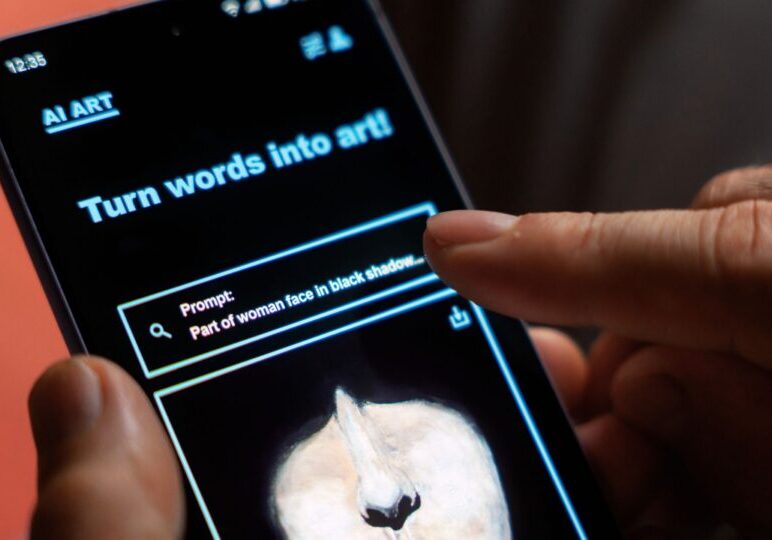
Q1 was the beginning of a new era for brands to creatively experiment with AI-generated creatives. Instead of increasing creativity and branding, many brands castrated the creativity (or branding) of their campaign.
Coca-Cola experienced backlash over its AI holiday ads for using AI to replace human artists. McDonald’s pulled its AI Christmas campaign ads in the Netherlands after the audience deemed them “cynical” and “not authentic.”
Outside of backlash, a deeper issue came to light:
While AI generated faster campaigns, it did not produce a better campaign.
Recently we are observing brands now showing a commitment to producing “No AI” campaigns as a means of rebuilding trust and authenticity.
Takeaway:
Efficiency is not the same as effectiveness. AI may scale campaign deliverables; however, it cannot replace cultural sensitivity, taste or emotional nuance.
3. Cultural intelligence was treated as optional
The mistake: ignoring context and lived experiences
The most frequent marketing mistake that occurred in Q1 was the launch of ad campaigns that were appealing to the marketer, but were not successful in real life. For example:
- A visually appealing campaign may reinforce racial bias
- The messaging may disregard cultural differences when targeting different areas; and
- Global campaigns that are relatable visually but lack an understanding of the meanings they convey.
These mistakes go beyond just visual or creative failures, they are failures in context. They can also magnify rapidly because today’s consumer does not just “view” advertisements; consumers “question” advertisements.
Takeaway:
Reviewing from a cultural standpoint should not be an “after-thought”, but part of your overall marketing strategy. If you develop a campaign that was created using one cultural view, it probably will not have the same impact if viewed from another cultural perspective.
4. Brand heritage got sacrificed for “modernity”
The mistake: fixing what wasn’t broken
Rebrands are risky. But Q1 showed how easily brands miscalculate emotional equity.
Immediately after Cracker Barrel removed iconic pieces in the brand elements (concerning the location name), people called the new identity ‘soul-less’ and disenfranchised the long-term brand.
Within a few days, the company retracted their brand decision.
A lesson learned:
Familiarity, nostalgia, and identity when making that purchase.
To fully modernize a business, you cannot modernize your product line without taking note of the current branding and the purpose for establishing existential meaning behind the image.
5. Influencers amplified risk—not just reach
The mistake: misaligned partnerships
Influencer marketing has not failed in the first quarter of this year; rather, poor influencer(s) selection has been problematic.
Controversial influencers can create a backlash against a product by shifting co-branding from the product to the influencer.
As Chiara Ferragni shows, misleading messaging (in her case, associating a charitable campaign with a product) can lead an influencer to a legal or reputational crisis.
What’s the takeaway?
The influencer you select represents your brand, and audiences assess their own values prior to your value proposition.
6. Campaigns optimized for metrics, not meaning
The mistake: confusing performance with impact
A marketing campaign may
- Generate significant impressions.
- Have a high click-through rate.
- Achieve high levels of engagement.
But still lead to failure!
Reasons…
Attention does NOT equal trust; therefore, if the primary focus of your campaign has been on the following, then you may have experienced issues:
- Click vs clarity
- Reach vs relevance
- Speed vs strategy
Many marketers are now referring to this type of advertising as ‘Attention-First’ Marketing; it’s all about creating a campaign that will get noticed but will NOT be understood!
7. Brands reacted too late—or not at all
The mistake: slow response to fast backlash
These days, failure in a campaign won’t go unnoticed. Campaign failures happen publicly—in a very short window of time.
Social media accelerates this time frame:
- A single misstep in your campaign can turn into a meme
- A meme can turn into a narrative
- A narrative can turn into your brand’s perception
Brands that delayed responses often make things worse.
Those that acknowledged mistakes early recovered faster.
Many larger businesses are building real-time monitoring and responding teams into their overall campaign strategy.
The takeaway:
Having a strategy to respond to failure is now a part of your overall campaign strategy.
8. Trying to speak to everyone—and connecting with no one
The mistake: overgeneralized messaging
One of the oldest digital marketing failure cases—still happening in 2026.
Digital marketing campaigns that try to target “everyone” generally have:
- Little or no focus
- A personality that is simply lost
- No ability to connect
Research show that one of the major reasons for the failure of advertising campaigns is customers are not the right target for a specific item(s).
The moral of the story is that:
Relevance is More Important Than Reach! Always!
Where marketing truly fails
The real problem with marketing is not creativity, budget size, or channel types; it is actually a misalignment between your marketing messages and your audience’s needs, technology and emotions, and your brand’s identity and execution. These misalignments are the reasons why even some of the best-performing marketing campaigns begin to break down and fail to create the desired impact for their target market, which ultimately leads to misperception.
The true lessons to be learned from these failures are that context determines outcome, authenticity = strategy, speed needs sensitivity, culture changes more quickly than brands do, and ultimately, trust = the most important result. Building trust is relatively easy; rebuilding trust is significantly more difficult.
Cut to the chase
Campaigns usually do not fail as a result of ineffective ideas, but instead, company/ brand alignment to culture, environment and trust diminish leading to ultimate failure. If you want to locate the potential issues before they happen, read the rest of this article.
FAQ’s
Marketing campaigns often fail due to poor audience understanding, weak messaging, lack of cultural context, or misalignment between strategy and execution.
Common mistakes include chasing virality over value, ignoring audience sentiment, overusing automation, and prioritizing metrics over meaningful impact.
Brands can learn to focus on authenticity, understand cultural nuances, align messaging with audience expectations, and prioritize trust over short-term performance.