
The Great Fragmentation: Social Media Engagement Drops in 2026
After a decade or more, the ‘social media’ platforms are losing their golden spark. Previously, the algorithm was predictable, as well as achieving a winning streak at those platforms. Then, the era of attention fragmentation starts.
As we move through 2026, the predictability is not there anymore. While the total number of social media users has climbed to a staggering 5.66 billion, the way they interact is fundamentally different.
The old legacy platforms, such as Facebook, Twitter, and Reddit, are not just platforms anymore. There are ten more digital spaces where constant content sharing happens every minute.
So, does that mean an abundance of digital spaces has shattered the Internet and attention? There are other issues, too. Every week, Instagram shifts its reach and rhythm, TikTok’s unwarranted tasks, and spread of AI fire, have turned the table against themselves.
In this article, we will face the most-asked question: if social media engagement drops down in 2026 or is it just a phase?
The death of the passive scroll
If your engagement rates feel like they’re in a freefall, you’re not imagining it; you’re just witnessing the market mature. According to the Buffer 2026 State of Social Media report, the median engagement rate for a typical post has settled around 1.8 percent.
However, this average hides a massive divide between the “winners” and the “empty voids.”
- The Engagement Leaders: TikTok continues to defy gravity with a 3.7 percent engagement rate, while LinkedIn has evolved into a high-trust powerhouse, particularly for carousels, which see a median engagement of 6.2 percent.
- The Search Revolution: In a massive blow to traditional SEO, 41 percent of Gen Z now turn to social media first for information rather than Google. Platforms like YouTube, TikTok, and Instagram collectively drive over 60 percent of product discovery.
- The Trust Gap: The “sameness” of AI-generated content has backfired. A significant 63 percent of users are less likely to engage with content they perceive as purely AI-generated, while 73 percent of consumers will switch to a competitor if a brand fails to show a “human” side in the comment section.
Golden era of digital communes
A commune is a group living situation where people share everything. Imagine the same on the Internet. Users are retreating from the noise of massive, algorithmically driven feeds into what we call digital communes; smaller, high-intent spaces like Discord, Threads, and specialized Reddit communities.
Reddit alone saw its user base grow by 19 percent this year, as people hunt for “human-verified” advice.
This shift has created a new social funnel. Power Digital’s 2026 report explains it perfectly: TikTok sparks the demand, Instagram converts it, and YouTube justifies it.
Users are no longer loyal to a single platform; they hop between an average of 6.7 different networks per month, looking for a specific “answer” at each stop.
Carousels over short-form videos in content format
In 2026, the battle for attention is being fought with carousels and short-form video. While Reels get 36% more reach than any other format on Instagram, making them the ultimate tool for discovery, they often fail to convert.
If you want engagement that leads to sales, you need the carousel. On Instagram, carousels earn 12% more engagement from existing followers than videos. On LinkedIn, “document posts” (carousels) are the undisputed kings, outperforming standard text or image updates by a factor of three.
The strategy for 2026 is clear: Use Video to find them, but use Carousels to keep them.
The “anti-AI” movement and the trust factor
Perhaps the most significant trend of 2026 is the growing resentment toward “AI slop.” As feeds become flooded with perfectly polished, AI-generated imagery and captions, users are swinging the other way. There is a newfound premium on the unpolished.
Deloitte’s Digital Media Trends show that 33 percent of consumers feel a stronger personal connection to social media creators than to traditional celebrities. Why?
Because creators offer intimacy. Brands that are winning today are the ones letting their employees take over the camera, showing the messy “behind-the-scenes,” and, most importantly, replying to every single comment.
Unsolicited asks of platforms from users
In 2026, the biggest threat to platform loyalty is the “Unsolicited Ask.” As global regulations tighten, platforms have begun demanding government-issued IDs and biometric data, sparking a massive “identity crisis” among users who once valued the internet for its anonymity.
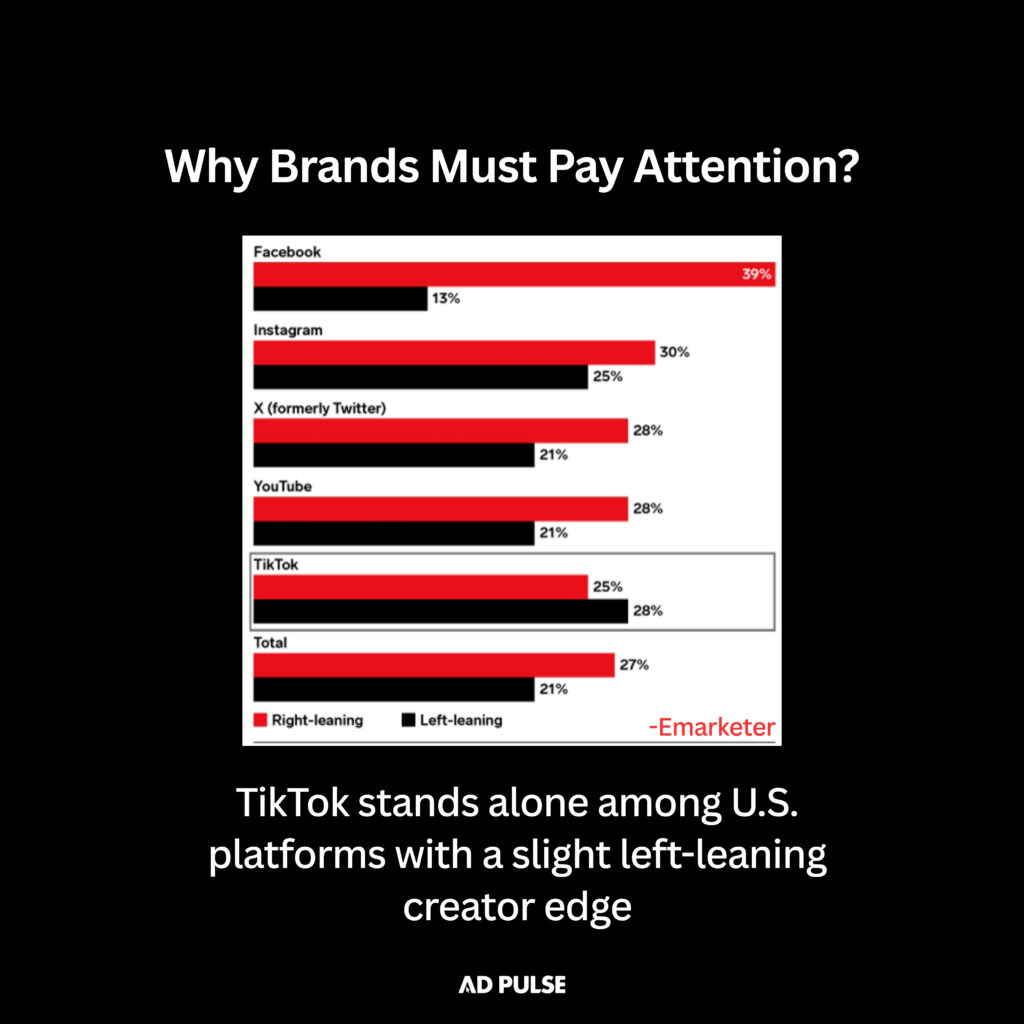
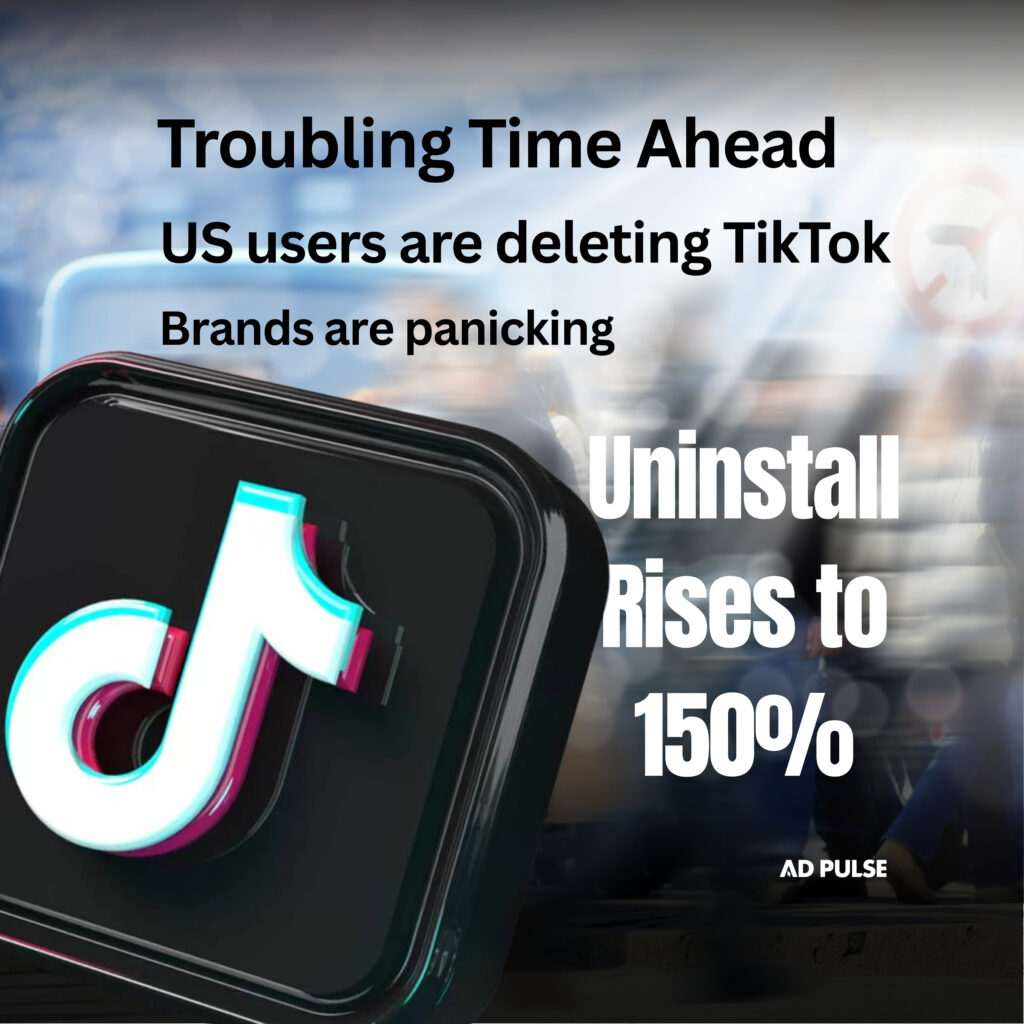
TikTok’s Verification Exodus: TikTok has faced a cooling of user growth in early 2026 as it phased out its “Custom Identity” options. While the platform framed the move as a way to increase trust and reduce fraud, many long-time creators saw it as a barrier to entry.
The Discord “ID Protest”: Discord, long considered the “safe haven” for niche communities, hit a massive wall of user resistance in February 2026. The platform announced a global “Age Assurance” rollout that would default all users to restricted “teen settings” unless they verified their adulthood
This “Unsolicited Ask” era highlights growing tension. Platforms want safety and data, but users want privacy and freedom. In the Great Fragmentation, the platforms that demand the most documentation are often the ones losing the most soul.
How to survive the fragmentation
To thrive in this era of divided attention, brands must move from a “broadcast” mindset to a “conversational” one. You no longer need to be everywhere; you need to be where your “community” lives.
- Prioritize Social Search: Use keywords in your captions and hashtags that reflect how people actually ask questions. If you sell hiking boots, your caption should read like a “how-to” guide for a specific trail.
- The 60-Minute Rule: Protect the first hour after you post. Replying to comments in this window signals to the algorithm that your content is driving a conversation, which can boost your reach by up to 30-40 percent.
- Human Over Hybrid: Use AI for the boring stuff (data analysis, scheduling, trend spotting) but keep your “front-of-house” human. Real faces, real voices, and real empathy are the only things AI cannot replicate.
Cut to the chase
The “Great Fragmentation” isn’t the death of social media; it’s the birth of a more intentional, human-centric web. By focusing on depth over breadth and authenticity over automation, social media engagement decline will not become a challenge.
FAQ
Engagement is declining mainly due to content overload, algorithm shifts, and AI-generated content saturation. Users are seeing more posts than ever but interacting less, creating a gap between reach and engagement.
Not necessarily. Even high-quality content can underperform today because platforms prioritize watch time, retention, and relevance over likes or comments.
No—users are still active, but behavior has changed. More interaction now happens privately (DMs, shares, saves) rather than publicly through likes and comments.
Brands should focus on creating conversation-driven content, optimizing for short-form video, and actively engaging with audiences through replies, DMs, and community-building.