New Social Media Platforms to Watch in 2026 Before They Go Mainstream
Social media has gone from being dominated by a few popular platforms to being fragmented and filled with niche communities, decentralized networks, and new formats. As new forms of social media emerge, they will radically reshape how we connect, find content, and express ourselves. At the same time, the fragmentation of attention means that brands, creators, and users must reevaluate their strategies.
The new apps represent an evolution in the future of social media; they do not simply introduce new apps but rather a paradigm shift in how we interact on social media.
How social media is becoming more fragmented
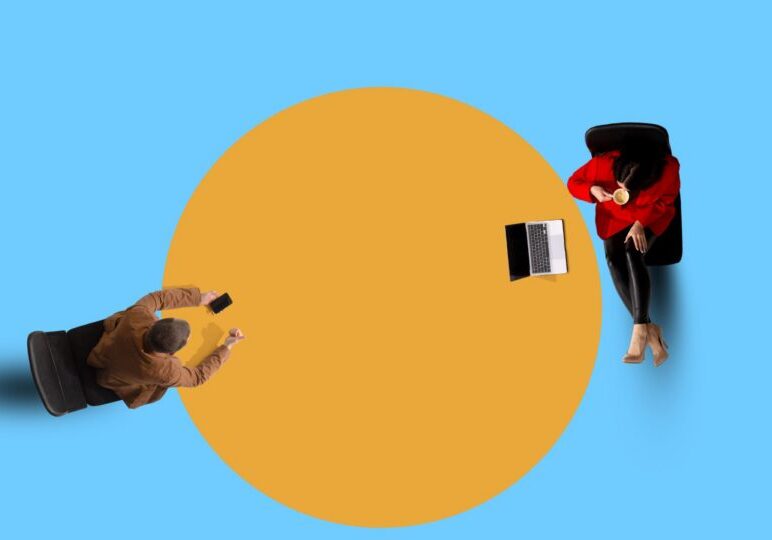
It’s crucial to understand what social media fragmentation is before investigating emerging social media platforms. Social Media fragmentation refers to moving from a small number of people using 1 or 2 overarching platforms, such as Facebook and Instagram, to many smaller, more specialized platforms like Facebook, Instagram, Illustrate, TikTok, or Gab.
Where users used to congregate in the same 1 or 2 locations, they are now using a multitude of different applications; separated by commonalities among one another (Sunday was similar to other channels of use – Value-oriented), interests, and/or content.
Some of the Behaviors of Social Media Fragmentation are as Follows:
- Threads have reached over 141 million daily active users, compared to approximately 125 million on X (Twitter).
- Bluesky’s growth to over 42 million users indicates a very strong, engaged niche audience.
- Increasingly, users are creating multiple accounts across different platforms and using them concurrently, rather than relying on 1 or 2 primary social media networks.
Net researchers refer to these phenomena as “Echo Platforms.” Whereby entire networks of social media users are developing collectively (in record time) around a common ideology, community, and/or content on completely different platforms, rather than just a shared/global audience.
As a result of this shift towards social media fragmentation, digital behavior is changing dramatically.
Reasons why there are more social media platforms emerging
1. Decreased trust in big technology companies
Privacy issues and being overwhelmed by algorithms are prompting people to seek new ways to be part of social media that give them more control over how they access information (e.g., chronological feeds) and place a higher priority on consumers’ personal data.
2. Content format evolution
The rise in popularity of short-form video and voice content has increased the time users spend consuming media, especially among Gen-Z (more than 90% of Gen-Z consume video content online). Therefore, new social networks will primarily be built on providing fast, deeply engaging content.
3. Community Ownership and Decentralization
Instead, thanks to platforms like Bluesky and open-source networks, people can now manage their own content and communities. One of the key changes in contemporary social media is the trend of decentralization.
Best new Social Media platforms to try in 2026
New social networks that have recently emerged are becoming increasingly popular and may surpass traditional social media networks because of their focus on privacy, niche communities, and new forms of content. For example, UpScrolled provides its users with transparency and hybrid content sharing.
Bluesky brings users in with its decentralized control. Similarly, voice-first applications, such as Airchat, are changing how people interact by enabling more authentic, immediate communication. These platforms reflect an increasing trend toward specialized, user-controlled social media experiences.
The rise of niche social media
Niche social media has become very popular in 2026. Here are a few examples of what this might look like:
- Platforms for creators
- Audio-only networks
- Social networks built around gaming
- Micro-communities for professions
- Social networks are built around an ideology.
Instead of one giant social network, people are now using many smaller social networks based on their interests.
Social media attention fragmentation
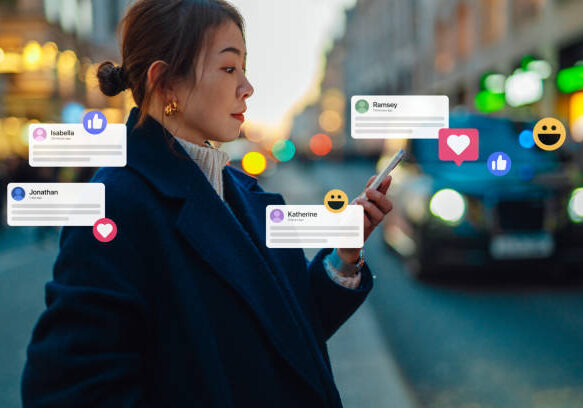
Users are shifting their attention from one or two major social networks to many smaller ones. For instance, a user might use Instagram to look at pictures, Discord to join community groups and discuss topics of interest, and maybe even new applications such as UpScrolled to engage in general discussions.
This change in user behavior leads to shorter attention spans, different content strategies for each platform, and less focus on the success of a single network than before. As social media becomes increasingly fragmented, both content creators and brands will have to establish a presence across multiple networks to ensure continued visibility and relevance.
The next era of social media will be influenced by five key trends
1. The decentralized future: With users wanting more control over their data and content, decentralized platforms like Flux will continue to grow in popularity.
2. Niche markets will supplant mass media platforms: The engagement of users in smaller, more niche communities will be higher than with larger communities. This means deeper but more fragmented interactions between users.
3. Privacy as a competitive advantage: Platforms that respect users’ right to privacy will have a competitive advantage over those that do not. Privacy-first platforms, such as Fluxer, demonstrate this trend.
4. More AI-based content discovery and personalization in feeds: AI can allow for an even greater degree of user personalization in their feeds. However, the demand for transparency in how personal data is being used will also grow.
5. Decrease user loyalty to one platform: Users are opting to utilize multiple platforms simultaneously rather than being loyal to a single platform. Gen Z is already exhibiting this trend by using several platforms concurrently.
The consequences of mixing media have big implications for creators and for brands
The way social media is broken up changes a lot for everyone involved. Creators:
- More ways to reach very specific audiences.
- Decreased number of creators competing on smaller social networks.
- Greater involvement of creators with the community around their work.
Brands:
- We need to have a presence on multiple social media platforms.
- Cannot be dependent on a single social media platform.
- We need to change the way marketing content is created for each platform.
- This represents a big change in digital marketing strategies.
Social networking sites you should be paying attention to in 2026
Based on what has been revealed, these platforms have the most potential over the next few years.
1. UpScrolled
2. Fluxer
3. Bluesky
4. AirChat
5. Threads
6. Decentralized Social Networks
These new satellites bring something new and different to the mix!
Cut to the chase
As we see social media transition from a monopoly to a fragmented system in which many small, segmented niche communities provide real engagement for both brands and creators, the best opportunity for success will be to identify the emerging platforms. The future will be for those who can adapt quickly, utilize multiple platforms/frequency, and be where their audience is at the next part of the sales cycle.
FAQ’s
Many AI ads feel emotionally empty, making consumers see them as inauthentic and less trustworthy.
Rising privacy concerns, declining trust in Big Tech, and the growing demand for short-form and community-driven content are driving the launch of new platforms.
Platforms like UpScrolled, Bluesky, and Airchat are gaining traction for their transparency, decentralization, and innovative content formats.