Streaming Wars 2.0: How Platforms Are Marketing Content Like Products
The streaming wars are no longer about whose library is bigger and whose subscriber base is larger. But by 2026, a new paradigm emerges: new media adopt the finesse of a modern retailer, packaging, positioning, and marketing each show like a product launch.
From hyper-personalized trailers to TikTok-style discovery feeds, today streaming platforms have fully realized marketing juggernauts built around the three priorities of attention, retention, and monetization.
Streamers like Netflix, Disney+, and Amazon Prime Video have evolved beyond simply distributing entertainment to creating fan cultures; they provide not just entertainment but personal experiences. Streaming services were driven by quantity; now they are moving toward more precise measures of content and users.
Streaming services have converted their content into commercial products for users by creating loyal ecosystems built around content.
Content is no longer just entertainment; it is inventory
A few years ago, streaming platforms promoted themselves as sources of entertainment, highlighting what was available on their services. They now market their brands, in addition to their individual titles, as individual product offerings, each with a unique identity, audience, and digital campaign.
When launching a new series, there is:
- Social media profiles for each character
- Interactive campaigns for fans of the content
- Vertical short-form clips designed for mobile discovery
- Thumbnails with AI customized designs
- Trailers targeted to geographic markets
- Meme-based marketing
- Advertising with influencers
- Merchandise associated with the brand
This shift represents one of the most significant trends in the streaming sector by 2026: discoverability will be more valuable than content quantity.
Many viewers now spend more time choosing content than watching it. Consequently, streaming providers are designing their user experiences and marketing systems to reduce friction and increase emotional urgency.
As a result, streamers are now starting to act and function as digital retailers rather than as media storage locations.
The rise of personalized entertainment marketing
When you log into Netflix, you’ll have a very different experience from someone else. You may see a mostly thriller-based homepage, while someone else could see a more romance-based one, and someone else may see an all-anime homepage. Additionally, the artwork and suggestions for a title may change based on other titles you have watched.
Due to ever-increasing personalized content recommendations, they have become one of today’s most powerful resources in streaming services. Streaming services can now use your viewing patterns, media consumption habits, and overall content preferences to create a unique homepage layout, thumbnail art, and a recommendation engine.
For example, if you typically watch shows that fall into the crime genre, your thumbnail art for a particular show will likely be darker than someone who typically watches light-hearted comedies, and your recommendations will also probably be focused more on creating suspense, while the comedy fan’s recommendations will likely be more about the characters and their interactions with one another.
The objective is no longer just to gain subscribers, but to emotionally connect with subscribers and keep them engaged for the long term. Streaming services are aware of this shift in consumer psychology, and it will change the future of both OTTs and the industry as a whole.
The TikTokification of streaming discovery
The trend of audio/video streaming becoming more like social media continues to grow in 2026. The most significant new feature is the rise of short-form feeds, which are revolutionizing the discovery of audio/video content.
Most recently, Amazon Prime Video has added short clips from shows and movies to its vertical feed, following suit with Netflix and Disney+, so that users can view short clips before investing time into watching the whole movie/show.
This has become necessary because people (especially, but not exclusively, Gen Z) no longer discover new audio/video content by searching. Instead, they now discover new audio/video content by scrolling.
Streaming services now realize they compete for viewers not only against each other, but also against:
- TikTok
- YouTube Shorts
- Instagram Reels
- video game platforms
- creator-centric platforms.
The average consumer’s attention has been affected by the algorithms of these feed-driven environments. Thus, streaming companies are modifying their services to help viewers actively seek out new audio/video content rather than passively browsing for it.
The thumbnails of various audiovisual pieces (or sets of audiovisual pieces) act as “product packaging” for similar products in traditional retail environments.
The Ad tier boom is reshaping the business
Streaming has traditionally been a commercial-free alternative to traditional cable television. However, the era of streaming without advertisements is rapidly fading away, as broadcast television has been available for decades via free over-the-air broadcasts.
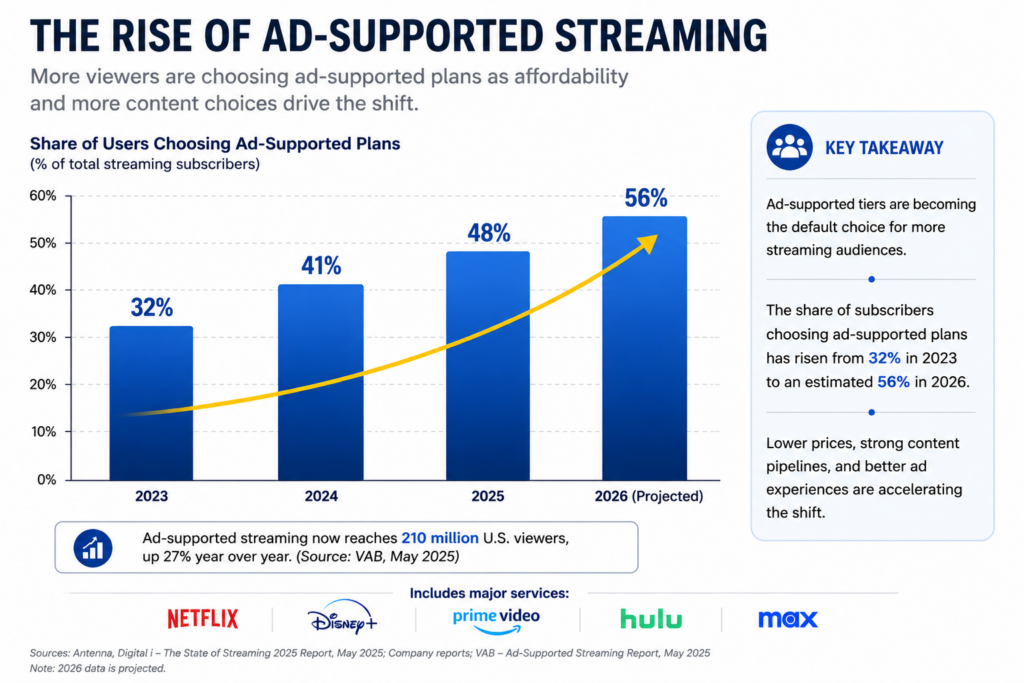
By 2026, ad-supported subscriptions will be the key revenue growth driver for the industry, with major streaming platforms (such as Netflix and Disney+) rapidly increasing their adoption of advertising-supported subscriptions, according to research.
Netflix will have over 250 million active monthly users of advertising-supported streamers by 2026, and over 60% of new subscribers will select a lower-priced advertising-supported subscription plan.
This shifts the marketing paradigm completely.
Streaming companies are not only selling their subscriber base to consumers, but also selling the attention of these same consumers to advertisers. This dual-revenue model will change the way streaming companies think about:
- User-interface design
- How users consume their video
- Content-release schedules
- Methods for collecting user data
- User recommendation systems
The hybridization of streaming services and retail online properties will change the relationship between each company’s website and its users. Streaming companies’ goals are no longer “watch more”, but now include a focus on:
- View for longer
- View more regularly
- View consistently
- Remain within the same service ecosystem
Lifecycle marketing is now the actual battlefield
A growing emphasis on lifecycle marketing is one of the most significant changes in competition among streaming services. Today’s streaming services not only want to gain new customers/subscribers, but also keep their existing subscribers/viewers continually engaged.
Streaming services use personalized emails, incomplete/ unfinished show reminders, seasonal recommendations, and constantly changing homepage content and suggestions to ensure viewers stay engaged and connected to the service.
Streaming services now function much like SaaS companies or ecommerce businesses, analyzing viewers’ behavior and providing relevant, timely content to retain them, continually reducing churn among active viewers. In addition, if a viewer stops watching a particular series or movie and is no longer an active viewer of the service, streaming services will quickly identify and push relevant new content to that viewer to entice them to return.
Industry reports show that ad-supported streaming and hybrid subscription models are driving sustained growth despite rising subscription prices.
Fandoms as marketing engines
Fandom-driven promotion has significantly changed how streaming platforms conduct content marketing. Streaming services create campaigns that encourage online discussion of their shows and other content created for their viewers.
The primary intent of these shows is to encourage viewers’ participation in many forms of social media (sharing, clipping, meme-making, and debating). A large part of any modern campaign focuses on:
- Developing fan theories
- Using Easter eggs
- Releasing behind-the-scenes content
- Conducting cast interviews
- Creating moments for social media
- Connecting with communities
Often, members of the fan base do the brand’s marketing (e.g., viral TikTok scenes and memes) rather than traditional advertising. This leads to greater focus on creating shareable, culturally relevant content across all streaming platforms.
Recent notable examples from 2026
Netflix launches AI advertising tools: Netflix announced its first stage of new AI-driven advertising personalization tools, vertical video discovery feeds, and podcast integration into advertisements as part of its ad revenue growth strategy for its new ad business model.
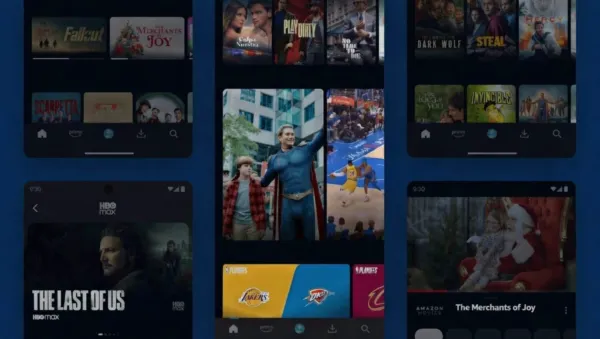
Prime Video embraces TikTok-like content discovery: Amazon Prime Video launched “Clips,” a TikTok-style vertical feed that uses short personalized previews to help users discover movies and shows more quickly on mobile.
Growth trends show ad-supported streaming gaining ground: According to recent research data from Antenna and Digital I, ad-supported tiers are driving most new streaming subscriptions across Netflix, Disney+, Hulu, and Max.”
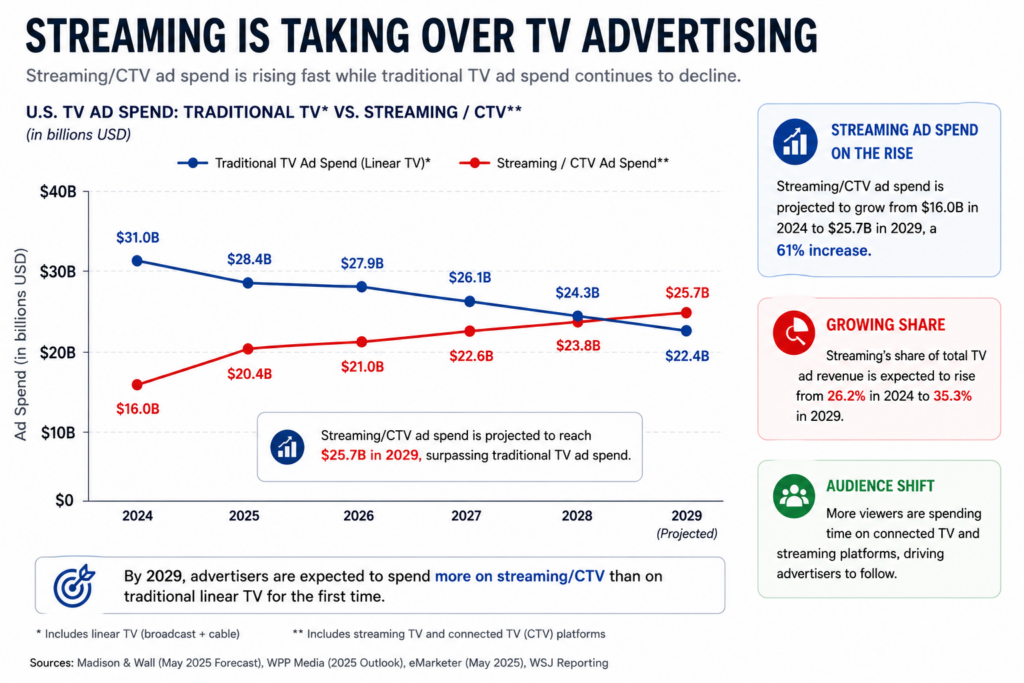
Streaming as an advertising powerhouse: Over the next few years, industry experts project that spending on streaming ads will continue to grow rapidly, reaching levels comparable to traditional TV advertising, as platforms position themselves as premium, high-performance digital advertising ecosystems.
Cut to the chase
Understanding viewer behavior better will be more important in the future of streaming than having the most material. These days, platforms compete using recommendation algorithms, retention tactics, and customization. Attention and engagement are more important than limitless content libraries in the new streaming battles.
FAQ’s
The streaming wars refer to the competition between platforms like Netflix, Disney+, and Amazon Prime Video to attract and retain viewers.
Many streaming services are introducing ad-supported plans to offer lower subscription costs and increase revenue.