When Brand Partnerships Backfire: What the Mexicali–Coca-Cola Split Teaches Marketers
A sponsorship deal can put a brand in front of millions of consumers, turn a local event into a major attraction, and create the kind of public recognition that conventional advertising struggles to achieve. But visibility comes with a condition: the public must believe the partnership belongs there.
That became a difficult question for Coca-Cola in Mexicali, Mexico, in December 2025. Local authorities decided against hosting the company’s annual Christmas caravan after federal authorities raised concerns about advertising sugary drinks at mass events aimed at children. The city instead organized its own Christmas parade, without commercial associations.
For marketers, the split highlights a risk that can easily get overlooked when evaluating a brand partnership strategy. A collaboration may deliver audience reach and commercial exposure while creating friction with public expectations, regulatory priorities, or the values consumers associate with the participating organizations.
The challenge, therefore, is not simply finding a partner with a large audience. It’s understanding whether the association makes sense for both brands, whether it serves the people it reaches, and whether its commercial benefits justify the potential reputational risks.
Why brand partnerships fail even when both sides benefit
Initially, the notion of the Mexicali-Coca-Cola partnership appeared promising: Coca-Cola achieved brand exposure while the city developed an acknowledged holiday destination. Nonetheless, public health concerns about sugary drinks in families raised doubts about the partnership’s commercial goals.
The 2026 findings highlight the growing importance of sponsorship effectiveness. A study conducted by Platformation, involving sponsorship experts from 204 senior sponsorship decision-makers across more than 23 countries, revealed that 51.5% of respondents expect to boost their sponsorship expenditures in 2026–27, with 29.4% anticipating growth of over 20%.
However, higher sponsorship spending does not necessarily translate into stronger business results. Research conducted by IPA and the Sponsorship Effectiveness Forum in October 2026 found that around 4 in 10 practitioners expressed confidence that sports sponsorship delivers business results, while only 17% consistently establish their commercial goals, measure efficiency, and integrate sponsorship with other marketing activities.
Ultimately, a brand partnership will be successful only if it benefits both the brand and its audience. Companies can create partnerships that increase trust rather than destroy it by assessing brand fit, weighing potential reputational risks, and analyzing sponsorship ROI.
The best sponsorship plan in 2026, therefore, is based not just on visibility but also on value alignment.
Lessons for marketers from 2026 brand partnerships
Recent 2026 brand partnerships show how brand alignment, audience engagement, and creative execution can influence sponsorship success. Here are three examples marketers can learn from.
1. Nestlé and the NBA: How partnership can generate value
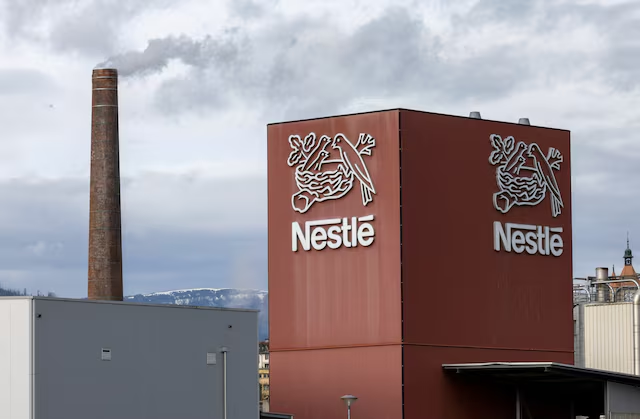
In October 2026, Nestlé announced an international partnership with the NBA to engage at least 2.5 million young people in basketball activities across 21 markets. The initiative is scheduled to begin in January 2027, making this an announced target rather than a completed result. It illustrates how sponsorship can extend beyond brand visibility to encourage audience participation and create shared value.
2. Nike: Why visibility is not enough
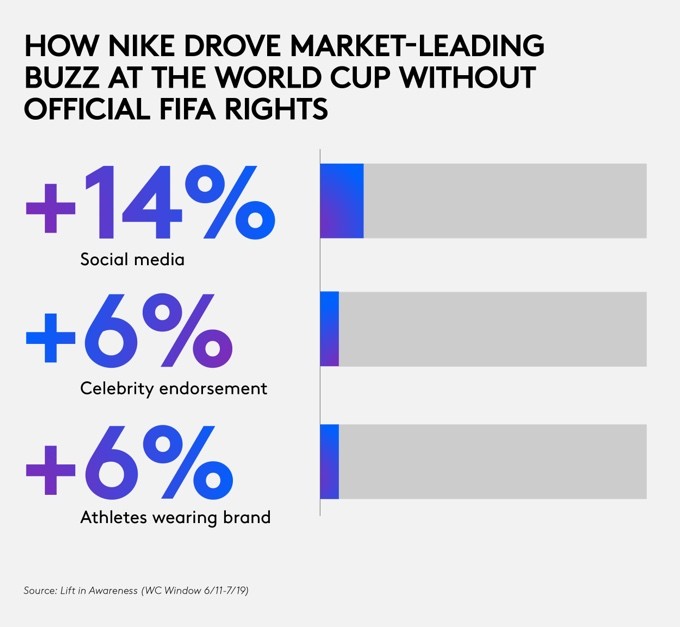
According to Kantar’s 2026 World Cup analysis, Nike’s Rip the Script campaign recorded a reported buzz score of 75% among people aged 18–34. This finding highlights how creative campaigns can attract attention even without official event sponsorship. For marketers, the lesson is that sponsorship rights alone do not guarantee audience engagement; relevant messaging and effective creative execution also matter.
Types of brand partnerships: Which strategy is right for your business?
Different brand partnerships serve different business goals, from increasing awareness to building loyalty and improving customer experiences. Each also carries specific risks.
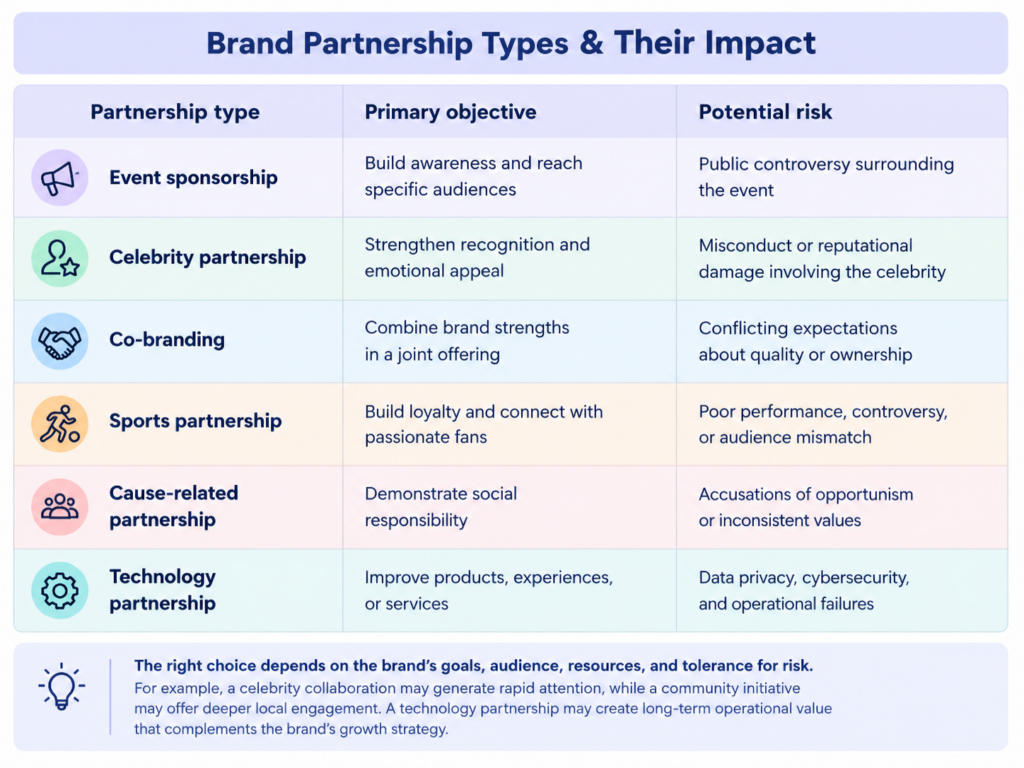
The right brand partnership strategy depends on your objectives, audience, and risk tolerance. Choose partners that align with your values and deliver measurable business results, not just visibility.
How to choose a brand partner: Five questions marketers should ask
Prior to entering into a sponsorship deal, it’s worth assessing both the commercial value of the collaboration and the potential risks involved.
1. Are our values compatible? Make sure that your partner’s actions and reputation align with your brand’s.
2. Are we reaching the target audience? Find out who your audience is to ensure your collaboration makes sense.
3. What happens if the partner brings a scandal? Plan for possible controversies by including an effective brand-safety strategy and exit clauses in your deal.
4. Can we both fulfill our obligations? Make it clear what both parties must do regarding budgets, promotional rights, and performance.
5. What will the indicators of success be? Follow the most significant KPI, such as sales, engagement, reputation, and customer acquisition costs.
How to measure sponsorship ROI beyond impressions
One common mistake in sponsorship marketing can be the misconception that visibility equals success. A sign on the stadium scoreboard, a mention of a product by a celebrity, or a marketing campaign generating millions of interactions online shows only visibility – none of these indicate whether the project was successful in terms of increased profits.
A more productive approach to sponsorship return on investment consists of three levels of measurement:
- Awareness: reach, recognition of sponsorship, brand recall, and share of conversation.
- Engagement: attendance at events, meaningful interactions, visits to a site or blog, generation of qualified leads, and repeat engagement.
- Business impact: Incremental sales, conversion rates, customer acquisition costs, retention, and changes in market share where measurable.
It is critical that marketers develop a standard by measuring what happened before the partnership and having control to generate a comparative view of what happened over time, where research techniques allow.
Additionally, the marketing team must know the difference between correlation and causation. Positive sales results recorded during the sponsorship period don’t mean that sponsorship was the reason for the positive outcome. The reason for success could lie in factors such as seasonality or price.
In long-standing partnerships, measurements must continue after activation ends, as changes in customer attitudes and behavior may take time to emerge.
Building a stronger sponsorship marketing strategy
A strong brand partnership plan involves more than a persuasive proposal and a signed agreement. It must include continual monitoring.
To begin with, set clear goals and pinpoint the collaboration’s target audience. After that, conduct due diligence on the reputational, legal, and operational aspects of the partnership. Then, develop an activation strategy that will position the collaboration across advertising, content, PR, customer experience, and relevant sales channels.
Finally, establish regular evaluations of the partnership’s progress and agree on the circumstances under which it needs to be revised, renewed, or closed.
It is important to note that companies should not take long-term relationships for granted. Customer needs and wants, public attitudes, market conditions, and company positioning can always change the dynamics of the partnership. Periodic reassessment helps companies identify any emerging dangers.
The case of Mexicali shows the importance of this idea. The city decided to host a community celebration on its own, without involvement from Coca-Cola’s caravan, and showed that there is still community spirit in a project, even if the form of sponsorship changes.
For sponsors, the message is that they should not avoid the difficult categories completely. What they must realize is that partnerships work through social and regulatory environments that may change their nature.
Cut to the chase
There are many types of partnerships with brands, such as event sponsorship, celebrity partnerships, co-branding, and sports partnerships. Every kind of partnership offers advantages and carries risks. That is why it is vital to align on the brand, set common goals, and use metrics to ensure successful collaboration.
FAQ’s
A brand partnership strategy is a plan for collaborating with another brand, celebrity, event, or organization to achieve shared business goals, reach new audiences, and strengthen brand awareness.
Common types include event sponsorships, celebrity partnerships, co-branding, sports partnerships, cause-related partnerships, and technology partnerships.
Brand partnerships can fail because of mismatched values, poor audience alignment, unclear objectives, regulatory issues, reputational controversies, or ineffective performance measurement.
At a Glance
- Prioritize brand alignment: Choose partners whose values, reputation, and audience complement your brand.
- Set clear objectives: Define whether the partnership aims to increase awareness, drive sales, acquire customers, or strengthen loyalty.
- Assess potential risks: Evaluate regulatory requirements, audience suitability, and reputational concerns before signing an agreement.
- Measure meaningful results: Track commercial outcomes and customer impact, not just reach and engagement.
- Build long-term partnerships: Strong collaborations require shared goals, clear responsibilities, ongoing communication, and regular performance reviews.