
The 10$ Sustainable Latte: Ethical Coffee, Sustainable Branding, or Just an Aesthetic?
Tell me if you have noticed this or not? Walk into almost any café today, and you’ll find something interesting. The chalkboard menu no longer just lists espresso, cappuccino, or cold brew. It talks about single-origin beans, carbon-neutral roasting, direct trade sourcing, and ethical farms. The message is clear: this is not just coffee; it is valued in a cup.
This transformation is deeply tied to the rise of sustainable branding. Coffee shops, global chains, and boutique roasters are increasingly leaning on sustainable branding strategies to communicate environmental and social responsibility.
But the question many marketers are quietly asking is this: when someone pays $10 for a “sustainable latte,” are they truly supporting coffee sustainability, or are they buying into an aesthetic of ethical living?
The answer lies somewhere at the intersection of ethical branding, brand authenticity, and the reality of changing buying habits by Generation Z.
The mindful rise of sustainable branding in the coffee industry
Sustainable branding of coffee brands is a leading space where ‘ethical’ and ‘sustainable’ branding exist. Several coffee brands are showcasing recycled packaging, fair-trade certified farms, and shade-grown beans to create responsible brand images.
Real industry challenges, including deforestation, low wages for farmers, and climate change, have driven many companies to highlight their commitment to sustainable coffee production.
Therefore, many brands have been making large-scale investments into developing sustainable branding strategies that articulate:
- Sourcing practices that are responsible
- Fair compensation for farmers
- Reducing carbon emissions from coffee participants
- Environmentally conscious packaging
On the surface, combining sustainable branding strategies with the purchasing habits of younger consumers appears to be a perfect fit. However, many companies have found that how they tell the story of their brand and product can be just as significant as the sustainability of their product itself.
The $10 latte & aesthetic economy
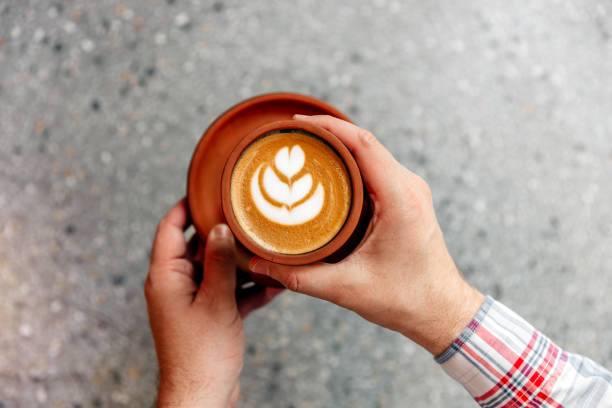
Coffee has gone from being just a drink to representing a way of life. With the emergence of social media, the aesthetic economy has taken over. Minimal cafes, oat milk lattes, reusable coffee cups, and eco-friendly packaging are now part of a new visual identity through sustainability and aesthetics.
Purchasing ethically sourced, sustainable coffee demonstrates that younger consumers care about their personal responsibility through ethical consumption; it is not just about having a good drink or coffee moment, but also about being part of a larger movement of ethical buying.
Recently, Blue Bottle Coffee has taken the lead in promoting the reuse of cups and creating transparent supply chains; thus, they’ve made sustainability an integral part of both their brand’s value and something consumers can share with others via social media.
Gen Z and the rise of ethical consumer behavior
To better understand how sustainability messaging can strongly influence consumer relationships, we must examine how the Gen Z cohort engages in ethical consumer behaviors. Growing up amid some of the most heated conversations about climate change, social justice, and corporate accountability, many Gen Zers’ consumer behavior is heavily weighted toward brands that offer them a sense of purpose.
Numerous studies have found that younger buyers prefer to spend their money with organizations that:
- Support efforts related to environmental issues
- Are open and honest about how they operate
- Treat their employees fairly
- Share common social values
This consumer preference for brands that support socio-environmental causes has created many Gen Z-focused sustainability trends, particularly within the fashion, beauty, and food categories. This is central to the reason why coffee is a key area experiencing this transition.
While being able to consume sustainable or ethical product options, such as coffee, may appear to be only a small gesture within a much larger movement designed to move individuals toward more responsible consumption practices, Gen Z also has a high level of awareness when it comes to having any sense of authenticity regarding those brands that they interact with as well.
The thin line between sustainability and greenwashing
Greenwashing has emerged as sustainability has gained traction; brands that claim to be green or sustainable have adopted unethical practices to make their products or marketing materials appear green or sustainable.

Examples of greenwashing done by coffee companies include:
- Using vague descriptors for sustainability. For example: “Eco- Friendly Beans” (eco-friendly beans), but with no certification or verification.
- Presenting a minimal, environmentally friendly action as a major initiative within their company.
- Promoting ethically sourced products but having no transparency or verification on how and where those products were sourced.
Greenwashing presents a risk, not only to consumers but also to the integrity of the brand. If customers find out that a brand’s green message was just for show and lacked factual evidence, they will quickly lose their trust in that company. This is the reason brand integrity has recently been widely discussed among marketers.
Authenticity is increasingly seen as an integral part of a sustainable marketing strategy.
Why does brand authenticity matter more than ever?
Authentically branded products have true value when their sustainability claims align with the company’s actions. When this gap exists, consumers will find out. Aligning brand messaging with measurable practices, such as verified certifications, transparent sourcing, and long-term grower partnerships, is crucial to your brand’s authenticity.
This is particularly relevant for the Generation Z consumer, who values evidence of those brands sustainability attempts, rather than vague promises. Authentic sustainable brands must provide evidence behind their messaging, not just talk about it.
Values or aesthetics? What consumers really buy
The $10 sustainable latte reflects image and value, with many consumers wanting to support ethical brands and influence the sustainability of coffee production.
At the same time, sustainability has become an end in itself, part of a modern-day lifestyle aesthetic that includes minimalist cafés, eco-friendly packaging, and social media. Gen Z often has both motivations. Visually appealing, sustainable products make it easier for consumers to adopt and share them as they consume ethically. The true challenge is ensuring that the aesthetics of sustainability do not eclipse its underlying ethics.
The future of sustainable branding
In the future, sustainable branding strategies for coffee will change in 3 significant ways.
1. Radical Transparency: More and more consumers are demanding that brands provide actual supply chain data. Information will become more visible and verifiable, including information about farms, wages paid to workers, and environmental practices.
2. Storytelling with Proof: The story around how a company is ethically branded will continue to be very important; however, with stricter metrics and certifications backing up the stories.
3. Community-Based Sustainability: Instead of considering sustainability as a company’s achievement, through community involvement, businesses may begin involving consumers in a more direct way through partnerships with farmers, tools enabling traceability, and reporting on sustainability.
These new branding changes will reinforce brand authenticity, which affects consumers’ trust in brands’ sustainability claims.
Cut to the chase
When consumers purchase sustainable coffee, they are purchasing the values and trust behind that coffee brand. Brands that deliver sustainability through brand authenticity will gain loyalty from Gen Z customers. Make sustainability genuine and clear, rather than just an image.
FAQ’s
It means promoting coffee sourced ethically, with eco-friendly practices, and with transparent supply chains.
Gen Z values sustainability and supports brands that show real environmental and social responsibility.
By proving sustainability claims with certifications, transparency, and measurable actions.