Marketing Just Leveled Up: The Shift from 4Ps to 4Es Explained
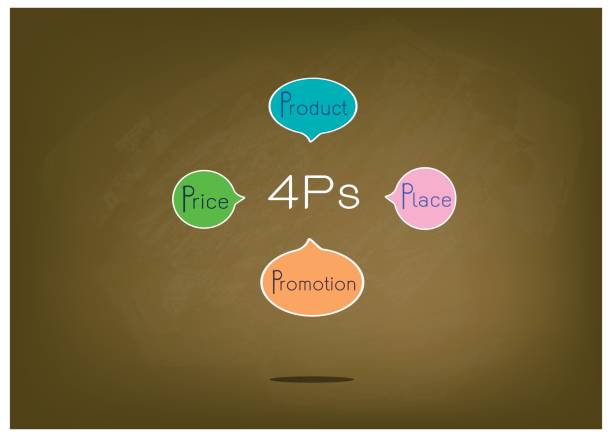
Marketing evolved into an industry rather than just a tactic. What once worked in a world of limited media channels, predictable customer journeys, and product-led demand is now being rewritten in real time. The classic 4Ps of Marketing Product, Price, Place, Promotion—still matter. However, they alone are no longer the true measure of success.
Marketing in 2026 has less to do with product- or brand-led promotion and more with creating meaningful, experience-driven interactions that truly resonate with people.
This is known as the shift from the 4Ps to the 4Es. This change was driven by the experience economy: a world where brands are no longer just selling products. Instead, they are connecting, engaging, and remaining relevant to consumers.
The OG framework: what are the 4Ps of marketing?
The Marketing Mix, or the 4Ps, has provided the framework for planning and executing effective marketing strategies for decades:
- Product: the physical characteristics of what is being sold, including features, design, and quality;
- Price: the amount paid to purchase an item, including discounts and price positioning;
- Place: the distribution and availability of the product; and
- Promotion: the manner by which potential consumers obtain information about products and services (competition).
If you’ve ever used Google to search for what are the 4Ps of marketing or have looked up the 4Ps of marketing as they relate to product, you know this traditional marketing model was developed in a time when consumer purchasing behavior primarily consisted of buying tangible products.
For a long time, this marketing model worked well.
However, in the modern business environment, consumers no longer simply purchase products; they purchase their stories, their sense of identity, their convenience, and their emotional experiences.
Why the 4Ps are no longer enough
4Ps originally operated under the premise of a straight line (Brand ‘creates’ and then Customer ‘consumes’). However, by 2026, the consumer’s path will be significantly different.
Brand creates → Customer consumes
But in 2026, the journey looks more like this:
Customer discovers → Engages → Questions → Compares → Experiences → Shares → Influences others
Marketing has also changed from a single path to being a loop. Consumers today:
- Skip advertisements but binge brand
- Trust Creators more than brands
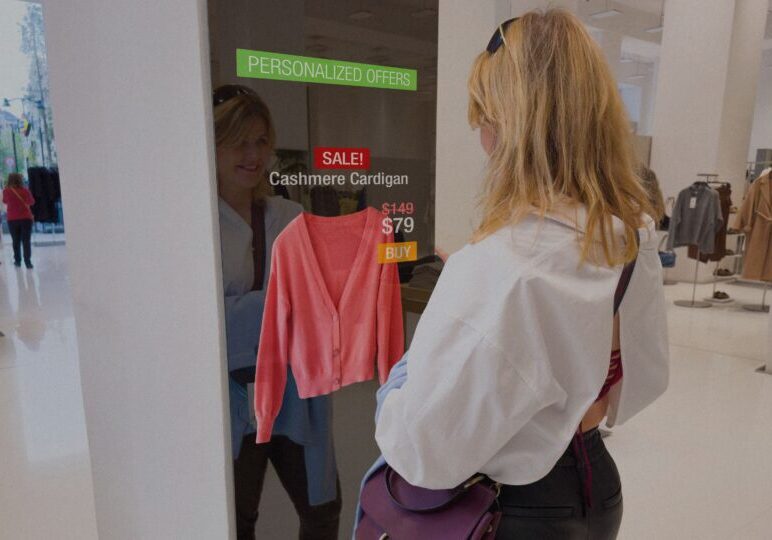
- Expect personalized service by default
- Value experiences versus ownership
This is where the Evolution of Marketing Theory gets real, not theoretical.
The 4Es of marketing
To adapt to this change, marketers have redesigned the 4Ps into a more human touch: the 4Es of Marketing:
1. From product to experience
Now, instead of what you are selling, it’s how it makes you feel. A product is a fixed thing; an experience is constantly changing.
Think about it:
Coffee isn’t just coffee anymore—it’s ambiance, Instagram moments, personalization, and comfort.
Successful brands provide value beyond the product. They create experiences through their brand design.
2. Changing from pricing to exchanging
Pricing was once about the cost of something. Now, pricing is relying on its perceived value.
Customers now ask:
- Is the time spent worth it?
- Does it connect to my identity?
- What’s in it for me (besides the product)?
When making the exchange, the following is exchanged:
- Data (the information provided for personalization).
- Attention (the engagement you got from participating; value);
- Loyalty (your return to the brand for exclusivity).
As a result of this model, Freemium, Subscription, and Community-driven brands are flourishing.
3. From place → All around
The term “place” was previously reserved for retail locations such as stores and shelves. The name brand now must be labeled “wherever the customer is—wherever they find themselves.” Some ways customers find brands are:
- Social media
- Selling platforms
- Apps
- Voice-assisted tools
- Even God-given intelligence
The Experience Economy Marketing era has made distribution a contextual experience instead of a physical one.
4. From promotion → Evangelism
Marketing consisted of pushing out messages to the market (Promoting). Evangelism is about attracting committed customers who will evangelize your business to others as new customers. In 2026, customers are not just consuming your products/services but are:
- Rating
- Recommending
- Sharing
- Creating
In 2026, your best channel of advertising/business will be your customer.
Where do the 4Cs fit in?
You may have seen the conversation about the 4Ps and 4Cs of marketing. The 4Cs (Customer, Cost, Convenience, Communication) were introduced as an earlier approach to creating a more customer-centric view of marketing.
Below is an explanation of where the four C’s fit with the four Ps:
Image…
Think of it like evolution layers:
4Ps → 4Cs → 4Es
Each step moves closer to the customer.
Recent world shift: from campaigns to continuous experience
Old Perspective:
Launch a Campaign – Measure – Repeat
New Thoughts:
Create an Ecosystem – Optimize Continuously – Maintain Engagement Always
Brands are no longer running campaigns. They’re running ongoing experiences.
Let’s look at a few recent examples to understand what it looks like in 2026
1. Airbnb: Turning Bookings into “Shareable” Experiences: Airbnb’s Icons campaign in 2026 did not only advertise properties on its website but began to allow users to book stays in famous homes inspired by pop culture; it blurred the lines between entertainment and travel. This was not a one-time event. The campaign has created:
- User-generated storytelling
- Repeated looping of engagement
- Continued social media content
The “campaign” has become a user-generated content engine.
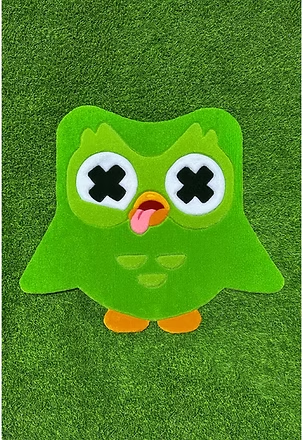
2. Duolingo: Always on Brand Storytelling: Duolingo has not created a campaign; it has developed an overarching narrative. In 2026, Duolingo “killed” its mascot, Duo Owl, but soon brought it back; this action has created:
- Emotional reactions
- Meme culture around the character
- Continued social engagement.
Duolingo’s ongoing storyline is the result of continuous use rather than advertising.
Marketing in the experience economy: What is changing?
The Experience Economy is not a fad; It’s a movement for creating value. People do not remember ads; they remember how brands made them feel.
What defines this new era?
- Hyper-personalization: AI tailors experiences in real time
- Emotional engagement: Brands tap into identity, not just needs
- Community-first growth: People want to belong, not just buy
- Content as experience: Entertainment = marketing
- Seamless journeys: No friction, no gaps
2026 marketing strategies: what actually works now
You may think about how to apply the 4E’s to real-world marketing tactics in 2026.
1. Prioritize the Client Experience (CX): Don’t begin with selling products; use customer journeys as an initial assessment tool.
2. Create More Value Than Just Price: Compete based on speed/urgency, convenience, personalization, and community building—not based on how much you discount your prices.
3. Always Be Present, But Never Overbearing: Being everywhere does not mean you must spam every channel.
4. Help Customers Become Your Brand Advocates (Product Creators): Encourage user-generated content (UGC) and encourage people to leave product reviews or talk about your brand within community groups.
5. Consider Yourself a Media Company: You are more than just a retailer; you are a publisher, storyteller, and entertainer.
The biggest mindset shift: from control to collaboration
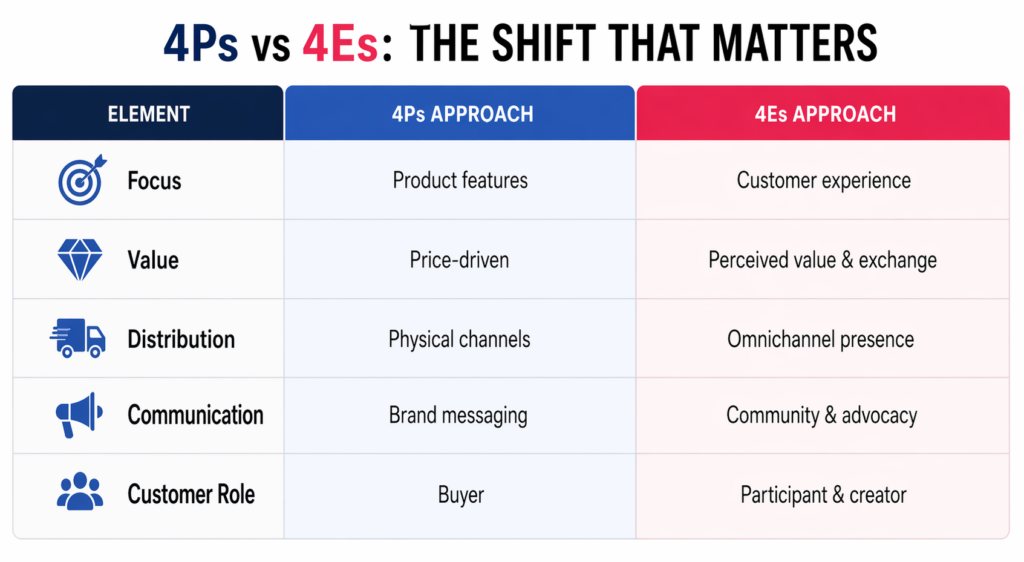
The major distinctions between the 4P’s & the 4E’s are as follows:
4-P’s = Control
4-E’s = Co-Creation
Marketing has evolved from controlling the narrative to co-creating the narrative with your audience. Is the 4Ps Marketing No Longer Relevant Today?
Answer is No.
The 4Ps are an important foundation – If you have these elements in place:
- Solid Product
- Smart Pricing
- Efficient Distribution
- Clear Communication
They were the strategies of yesteryear; today they are just the starting point. The ability to differentiate oneself now comes from how you translate those foundational elements into customer-focused, engaging experiences in which your customers actively participate.
Cut to the chase
The shift is from control to collaboration. The 4Ps will continue to provide the foundation for building your brand, but the 4Es will provide the real impact through creating the experiences your customers have. Start developing ways to create experiences rather than just run a campaign, because that is how your customers will remember you.
FAQ’s:
No. The 4Ps still form the foundation of marketing, but they are no longer enough on their own. The 4Es build on them by focusing on customer experience and engagement.
The 4Ps focus on products and brand-led promotion, while the 4Es focus on customer experience, value exchange, and ongoing engagement.
Because consumers now expect personalized, seamless, and meaningful interactions. The 4Es help brands stay relevant by creating experiences rather than just promoting products.