CPG Branding in a Digital-First World: Daring vs Dull
Walk down any grocery aisle or scroll through any ecommerce app, and you’ll notice the same trend: CPG brands fighting for attention in a world that scrolls faster than it shops. The rules for the consumer-packaged goods (CPG) industry have changed. Today, visibility is no longer won by shelf placement alone. It’s earned through relevance, personality, and digital storytelling.
In today’s digital-first world, CPG branding has split into two industries—brands that dare to stand out and brands that quietly fade into the background.
This is the story of daring vs. dull CPG marketing, and why the gap between the two is widening fast. As we deep dive, we will understand the reason behind this cause and what can be done by CPG brands to beat the heat.
First things first: What is CPG in marketing?
Before diving in, let’s start with the basics. CPG is a term used to describe products that consumers purchase regularly, including food, beverages, personal care, and household items.
CPG is closely related to FMCG (Fast-Moving Consumer Goods), and the two terms are often used interchangeably. The difference is that FMCG emphasizes how quickly and how frequently these products are consumed.
CPG marketing focuses primarily on how to develop a brand identity for these products, as well as how they will be distributed and promoted in a manner that drives repeat business at scale.
The major difference is that traditional CPG brand engagement was designed for a shelf; however, the modern CPG digital marketer is using their services for screens.
Why digital-first branding is no longer optional for CPG brands
Consumers realize they find CPG brands the same way they locate films, songs, and fashions—first through an online search.
When it comes to forming opinions about products, there are 5 primary sources: search engines, Instagram, YouTube, marketplace websites, and WhatsApp groups. Through these sources, consumers find out about products long before they have a chance to put them in their shopping cart. Therefore, CPG marketers must change everything from their branding to how they promote their products.
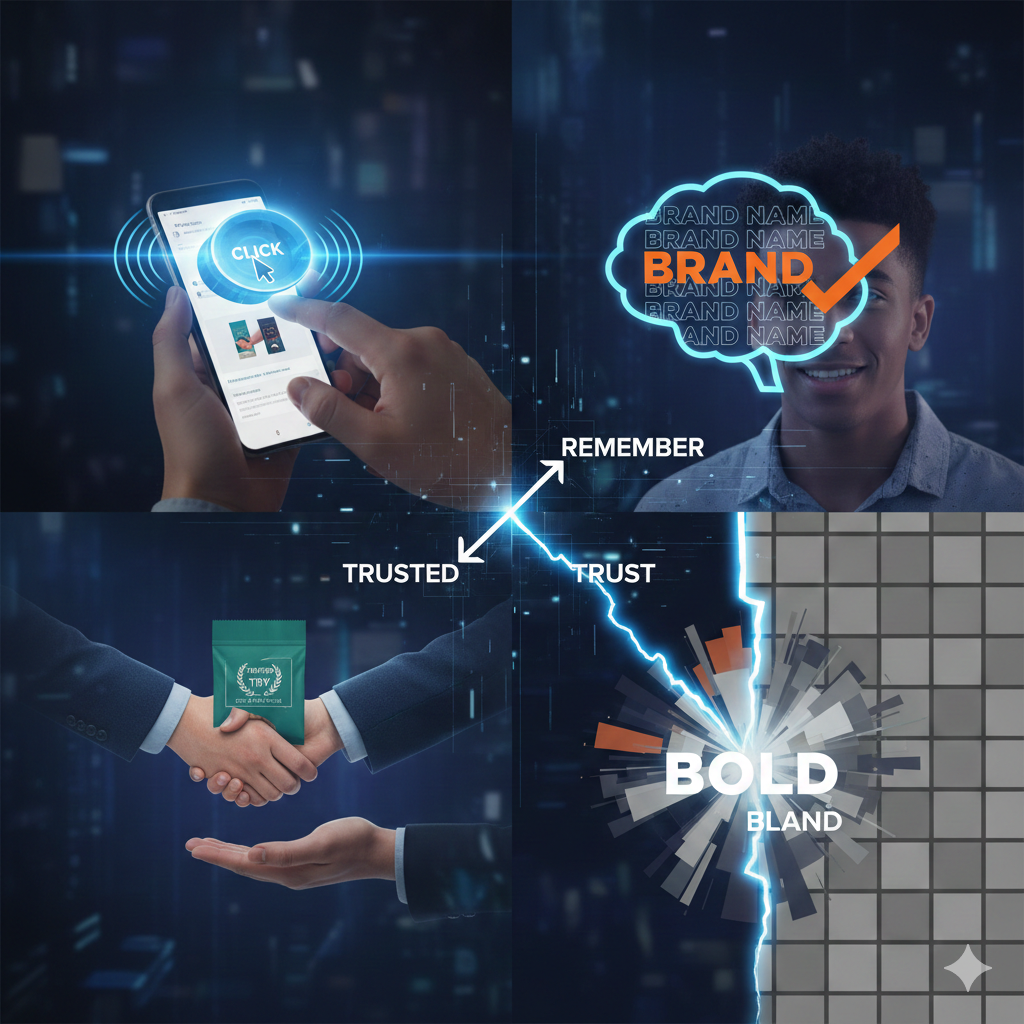
A successful digital branding strategy for CPG brands now determines four things:
1. If a consumer clicks on a product or not
2. If a consumer remembers the brand
3. If a consumer is willing to try the product based on trust
4. The beginning of the gap between the bold and the bland.
Dull CPG branding: Playing it safe—and paying the price
Just because a brand’s identity is boring doesn’t mean they have poor-quality products. Instead, it only shows that their visibility within the consumer market will fade from memory quickly.
Some common traits of “boring” CPG brand marketing include:
- Generic packaging—every product looks alike with no differentiating factor
- Safe and interchangeable messages
- Heavy reliance upon discounts as a means of differentiation
- Social media feeds that are simply digital catalogs
- A brand with no “voice” or personality
These types of brands place all of their effort into building brand recognition (impressions, reach, and frequency), and as a result, they’ve created no emotional bonds between consumers and themselves. Therefore, while consumers may recognize their logo, they have no emotional attachment to it.
Today, approximately 60% of consumers prefer to purchase products from digitally integrated CPG brands that can deliver a more customized shopping experience; therefore, generic marketing campaigns will no longer produce results. When you become “boring” in a digital-first environment, you will become an invisible brand.
Daring CPG branding: Built for feeds, not just shelves
Daring CPG branding doesn’t shout louder—it connects smarter. These brands understand that CPG brand success today is driven by relevance, relatability, and repeat engagement. What daring brands do differently:
- Lead with a strong, distinct brand identity
- Use humor, honesty, or cultural insight
- Build communities, not just customer lists
- Treat social media as storytelling, not promotion
- Invest in brand storytelling in consumer goods
They don’t just sell products. They sell beliefs, lifestyles, and moments. And that’s where digital-first branding shines.
Brand identity vs brand awareness: The CPG mistake too many brands make
Misunderstanding brand awareness with brand identity is one of the most common traps in the CPG marketing strategy.
Awareness = “Do I recognize this?”
Identity = “Do I know what this brand is about and why it matters?”
In today’s crowded digital environment, awareness is fleeting.
However, identity will last longer.
Bold CPG brands invest time and energy into:
1) clarity of tone of voice
2) visual consistency across platforms
3) core values beyond just product features
Because once consumers identify with a brand, they don’t just purchase from that brand once; they also advocate for it.
CPG brand visibility online: It’s about algorithms and authenticity
Indeed, SEO is critical, as is paid media, as well as the marketplaces themselves. Presently, however, the factors for CPG’s (Consumer-Packaged Goods) brand visibility via the internet are no longer solely based on those three strategies but rather a combination of:
- Shareability
- Cultural Relevance
- Creator Partnerships
- Community Engagement
To meet consumer demands for a balanced CPG digital marketing presence that incorporates both performance-based metrics and brand establishment, there has been an increase in companies seeking CPG marketing agency services to accomplish this.
The reason for this demand is the understanding that ‘visibility without meaning is noise.’
Storytelling is the new shelf talker
In physical retail, packaging once did all the talking. Digitally, storytelling does. Effective brand storytelling in consumer goods answers:
- Why does this product exist?
- Who is it really for?
- What problem does it understand better than others?
Whether it’s sustainability, convenience, self-expression, or cultural relevance—stories humanize mass products. And in a digital-first world, human brands win.
From product-centric to consumer-centric CPG marketing
Old-school CPG marketing focused on:
- Features
- Claims
- Promotions
Modern CPG brand marketing focuses on:
- Experiences
- Conversations
- Context
Consumers don’t just want to know what a product does—they want to know how it fits into their lives. That’s the shift from dull to daring.
What defines CPG brand success today?
About 62–72% of brands leverage influencer marketing and social media engagement to reach younger consumers.
Successful CPG brand management in a digital-first world balances three things:
- Performance (sales, distribution, ROI)
- Presence (visibility across digital touchpoints)
- Personality (clear identity and voice)
Brands that get this right don’t rely solely on scale. They build loyalty—even in low-consideration categories. Because when everything looks the same, difference becomes an advantage.
Strategic tools for CPG brand success
- Using tools to understand consumer behavior, predict customer demand, and personalize marketing messages effectively with AI-powered technology.
- Leveraging the use of social media & influencer marketing to create cultural relevance, build trust, and discover new products, especially with Gen Z and millennial consumers.
- Implementing O2O campaign measurement technology to track brand awareness and engagement across e-commerce, social media, and other digital marketing channels.
- Developing, publishing, and distributing original content creates an emotional bond between consumers and CPG brands beyond the product’s features.
- All of these tools combined will help CPG brands grow from visibility to loyalty, from transactional to long-term growth.
Cut to the chase
In 2026, CPG brands don’t win by blending in—they win by standing out digitally. Strong engagement, clear identity, and personalized experiences are no longer optional; they’re the difference between growth and invisibility. If your brand is still playing it safely, it’s time to rethink it. Build bold. Show up smarter. Make your brand impossible to ignore.
CPG branding: FAQs you should know
It’s how consumer packaged goods brands build identity, visibility, and trust online through digital channels like social media, ecommerce, and search.
CPG marketing focuses on brand-building and digital engagement, while FMCG marketing emphasizes speed of consumption and high-volume sales.
Most consumers discover and research CPG products online, making digital branding essential for awareness, trust, and conversions.
A clear brand identity, consistent messaging, strong storytelling, and active social and influencer engagement.
By adopting consumer-centric storytelling, personalization, and digital-first marketing strategies.