Met Gala Marketing Decoded: How Brands Turned Culture into Conversations
For a few hours, the Internet had one job: watch, react, and share the Met Gala 2026 highlights. Beyond the culture and celebrity sightings, and headline-grabbing entrances, something more strategic is unfolding.
Yes, you heard it right—a live masterclass on the principles of the attention economy in terms of how to market in this economy.
The Met Gala is not just a red-carpet event; it was a battleground for cultural relevance, earned media, and real-time brand storytelling. The brands and celebrities that came out on top in 2026 did so by generating the most buzz and discussion.
So, what made this year’s Met Gala impossible to ignore from a marketing perspective, and what marketers can consider stealing right away? Let’s get into it.
Understanding the attention economy (more deeply)
Here’s the truth: in 2026, attention will be worth more than any other form of currency (including money).
In a scroll-first world where ads are skipped in seconds, brands need to do three things to win attention:
- Interrupt culture
- Insert themselves into social discussions
- Become the content
This is why events such as The Met Gala are so important; they have the ability to consolidate global attention into one place in such a short amount of time, while also rewarding those who have developed exceptional ways of capturing their audience’s attention.
Met Gala 2026— Where fashion meets cultural strategy
The Met Gala 2026 was all about Strategic Storytelling through Outfit Selection.
Each outfit had the following:
- A backstory
- A social angle
- A moment for creating memes
Think, instead of “What are they wearing?”… “What does it all mean?”
This is where cultural marketing strategy is action—brands align with moments that people care about, rather than forcing people’s attention through Ads or Advertising in Apparel.
Viral moments > Perfect campaign
The lesson learned from the Met Gala viral moments in 2026 is:
Perfection does not trend—personality does.
The biggest conversations are not from planned campaigns but from:
- Surprise “outfit reveals”
- Symbolism decoded or interpreted by fans
- Celebrities unscriptedly interacting on the red carpet
This shows the power of marketing in an attention economy, where the ability to respond matters more than how well something has been produced.
For a marketer, that changes what they do:
- Stop producing and polishing to make something appear “perfect.”
- Start creating with design for sharing in mind
Earned media is the real ROI
The Met Gala uses marketing techniques to earn media coverage. Nothing stops a brand from spending money on a 30-second ad during The Met Gala.
Brands:
- Put clothing on celebrities
- Create stories and put them in the media
- Let social media do the rest
As a result, brands have been able to reach millions of people and gain a lot of visibility (with no traditional advertising).
Luxury brands, cosmetic companies, and even technology companies have associated their brands with specific celebrities, with the hope that one viral incident will outperform an entire marketing campaign.
Key point: If your brand doesn’t have anything worthy of being talked about, nobody will talk about it.
Real-time marketing strategies that worked (Met Gala 2026)
1. Mass brands hijacking luxury:
Gap and Zara use Kendall Jenner to disrupt the luxury narrative. Kendall wore a custom Gap gown, and major celebrities were all outfitted by Zara, sparking millions of conversations and media coverage due to the unexpected brand presence.
2. Celebrity comebacks = Instant Internet moments:
Beyoncé returns after years away. Her return is on the lips of millions of people internationally. Instant amplification based on built-in fandom.
3. “Reveal Moments” = Viral Moment:
Kendall Jenner’s hidden angel wings reveal in the event that went through all platforms.
4. Celebrity Look = Content Loop:
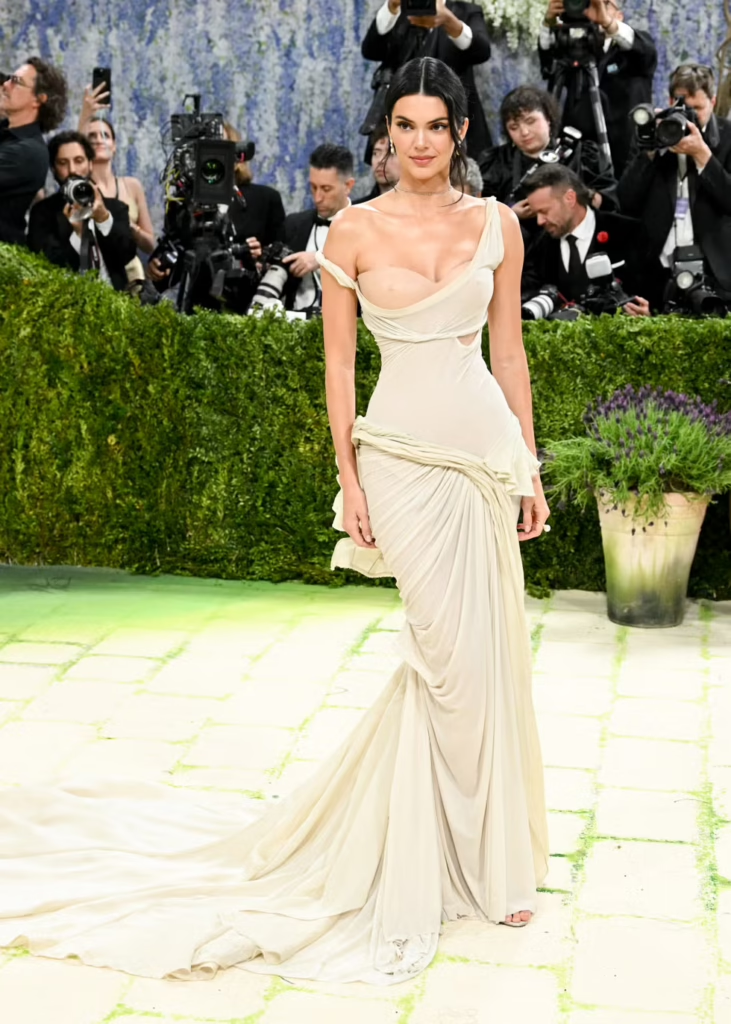
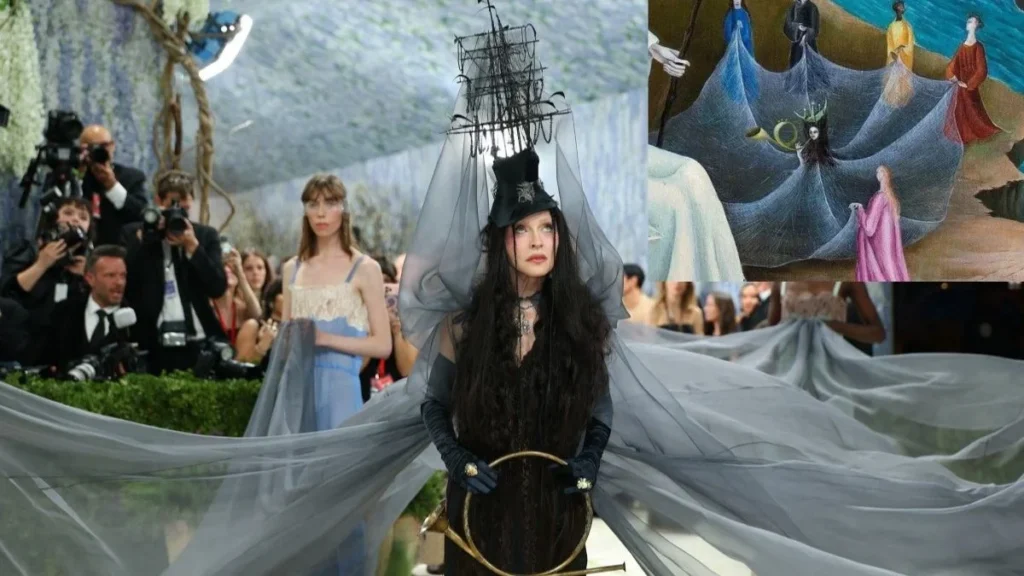
Celebrities referenced Monet, Van Gogh, Klimt, etc. while dressing for the event, leading up to high fan engagement, trying to decode the reference before the event ends, providing for a long content lifecycle.
5. Detail = Viral (Beauty Trends):
The minimal “naked manicure” look trended with beauty creators and media as everyone started to use the close-up shots (micro-content), resulting in a large amount of amplification beyond just the outfits.
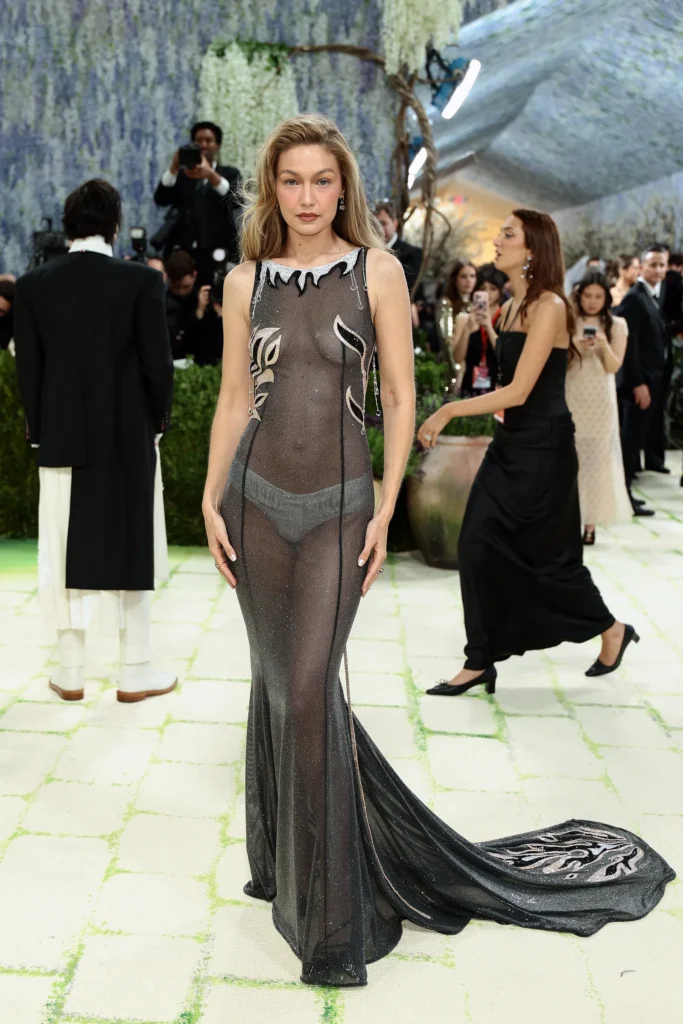
The rise of “Soft Branding” on the red carpet
So, what was the most interesting shift of met gala brand strategies recently?
Subtle branding
Instead of seeing the usual loud logos and over-the-top promotional techniques, the brands instead supported these more subdued approaches to branding, including:
- Craftsmanship stories
- Culturally relevant stories
- Designer / Celebrity relationships
This led to a more authentic connection with their consumers. It was less about blatant advertising and more about the brand telling its story.
Cultural marketing strategies will outperform traditional marketing strategies by:
- Having no interruptions
- Being seamlessly integrated
Transforming B2B events from an event to an experience
At first glance, the Met Gala may seem irrelevant to a b2b event marketer’s strategy. However, many marketers overlook the fact that what happens at the Met Gala applies to all our day-to-day business interactions.
Examples include:
- Trade shows
- Product launches
- Industry events
B2B companies want/need:
- Engagement
- Storytelling
- Sharing with others
If your event isn’t sparking conversations with those outside the event, it is underperforming and not doing its job.
Look at the event market strategy template (Inspired by Met Gala)
Do you want to create this magic? Then use the following easy & simplified event marketing strategy template (what can be learned from the Met Gala Event) using a proven method from the Met Gala Event:
Once we have created an event, we will need to create:
1. (Pre-event) buzz prior to the event
- Teaser theme
- Speculation
- Influencer partners
2. Design your moments
- Create viral triggers (surprise, reveal, statement)
- Build narratives into the event experience.
3. Amplify in real time
- Have a separate rapid response content team
- Have lots of meme-able assets.
4. Keep your moments after the event
- Take your moments apart
- Extend the discussion about your moments
- Repurpose content across multiple platforms.
These are not just event marketing strategies; these are the engineering of attention.
Met Gala marketing isn’t about fashion—it’s about timing
If we talk about the key takeaway, Met Gala marketing isn’t about fashion, but about timing. Timing is more important than scale. A well-timed moment can outperform weeks of content creation.
On May 4, 2026, at the Met, the world was already tuned in; brands didn’t need to create attention; they merely had to capture it. The game is: 1) find out where attention exists, 2) insert your brand in a meaningful way.
New rules of the attention economy
A breakdown of the Attention Economy through the Met Gala looks as follows:
- Culture wins over Campaigning
- Moments win over Advertising Dollars
- Engagement wins over Promotion
- Speed wins over Perfection
But most importantly: Relevancy is the new reach.
Cut to the chase
At the Met Gala 2026, the winners weren’t the best dressed—they were the most discussed. And the biggest wins came from brands that reacted fast, embraced unexpected moments, and turned culture into conversation in real time. Want to be relevant in the attention economy? Don’t wait until you have it all figured out—start getting involved with conversations going on the Internet.
FAQ’s
The Met Gala 2026 shows how brands can use culture, celebrity influence, and viral moments to capture attention and generate massive earned media in real time.
Attention economy marketing is a strategy focused on capturing and holding audience attention in a crowded digital world through cultural relevance, shareable content, and real-time engagement.
Brands can learn the importance of timing, cultural relevance, earned media, and creating moments designed for conversation rather than traditional advertising.