

How to Make Inclusive Marketing Feel Genuine
Inclusive marketing isn’t what gets brands into trouble. The disconnect between what a brand says and what it does usually is.
Most consumers aren’t pushing back against representation. They’re pushing back against campaigns that feel performative, rushed, or disconnected from the reality of the company behind them. In an era of social media receipts and endless scrutiny, audiences have become remarkably good at spotting the difference.
That’s creating a new challenge for marketers. How do you build an inclusive marketing strategy that resonates with diverse audiences without inviting accusations of tokenism or performative activism?
The answer has less to do with saying the right thing and more to do with proving it.
Why inclusive marketing matters more than ever
Understanding people is at the core of marketing. Inclusive marketing seeks to increase that understanding of those you are targeting.
People want to see themselves represented in the brands they purchase. They want stories, experiences, and messaging that are relevant to their culture, age, ability, body type, identity, and/or life experiences.
However, just having representation is no longer enough.
As Ad Pulse noted in its article on inclusive advertising metrics, brands should move beyond asking, “Did people see my ad?” and instead ask, “Did the right people feel seen by my ad?”
That distinction has become one of the most important shifts in modern marketing. When people feel genuinely recognized and respected, they are far more likely to trust and engage with a brand. According to the 2026 Diversity Brand Index, 71.1% of consumers are more likely to support brands they perceive as inclusive, highlighting the growing importance of authenticity and trust.
Many marketers believe inclusive ads can negatively affect their bottom line, but there is overwhelming evidence that this type of advertising increases customer preference, loyalty, and sales results over time.
Why some campaigns fall to backlash
Even well-intentioned efforts may face customer criticism. Those who are able to distinguish between original integration and marketing adaptation. Typically, brands face criticism when they:
- Engage in political/social issues only during certain periods of time.
- Present diverse audiences without involving them in the creation of the ad/brand.
- Utilize outdated stereotypes as a means of portraying an audience instead of using accurate representations.
- Externally promote values that do not reflect their company’s internal values.
- Use as a campaign and then stop being committed after the campaign.
- Accusations of performing activism in marketing often stem from such actions.
Performative activism occurs when a brand supports a cause demonstratively for social media visibility or brand reputation, without any substance behind the statement. Consumers are incredibly well-versed in identifying these examples and are increasingly judging brands based on these inconsistencies.
For instance, any brand that creates a campaign in honor of Pride Month could potentially face backlash. If that same brand does not have a history of supporting LGBTQ employees, creatives, or communities for the rest of that year.
Consumers no longer evaluate ads separately; instead, they evaluate the company/brand that created the ad.
How to build an inclusive marketing strategy without backlash
Every successful example of purpose-driven marketing has one commonality: they start long before any advertising is released.
Instead of asking themselves, “What cause should we be addressing?” They instead ask themselves, “What core values align with our existing company culture?”
And then proceed to use those identified core values to create the advertisement.
The focus on authenticity over visibility
Many brands still treat inclusion as a way to get noticed. Intelligent brands treat inclusion as a way to build relationships.
When creating authentic content, it is important to understand the communities you are trying to represent and involve them in its creation. At the same time, the content should reflect real experiences rather than assumptions.
The goal of inclusive marketing is not just to fill quotas for representing distinct groups, but to create stories that genuinely resonate. Inclusive marketing goes beyond using diverse models in your marketing.
It also includes how you communicate through words (language). How easy or difficult it is to access your product (accessibility). The characteristics of the culture you are marketing to (cultural nuances. And whether or not your content connects with your audience in a meaningful way (reach/connection).
They build inclusion into strategy, not a campaign
Regarding inclusion, companies are often guilty of viewing it on a per-season basis and aren’t able to maintain consistent messaging throughout the year. Customers recognize when companies only promote diversity and inclusion during certain cultural moments or events and then go silent at other times.
Consistency is the key to developing strong brand inclusivity. Some of the best brands in the business have incorporated inclusivity into their:
1. Product development
2. Customer experiences
3. Hiring practices
4. Partner relationships
5. Content development
6. Media plan development
With inclusion as an integral part of a company’s business strategy, its overall marketing efforts will likely be more credible than if it were treated as a separate marketing effort.
Prioritizing listening over speaking
Effective, inclusive Campaigns start with research, no longer with a creative brainstorm.
To avoid backlash, brands spend time learning about their audiences.
They do this by conducting interviews, holding community consultations, conducting audience research, and engaging in social listening exercises before developing messages.
This enables them to identify cultural sensitivities, discover authentic stories, and eliminate blind spots before launching campaigns into the marketplace.
Listening remains the most underrated aspect of a successful Inclusive marketing strategy.
Understanding and respecting cultures and developing relationships will lead to success in your marketing. You cannot create culturally inclusive marketing without listening.
A few noticeable examples to look for:
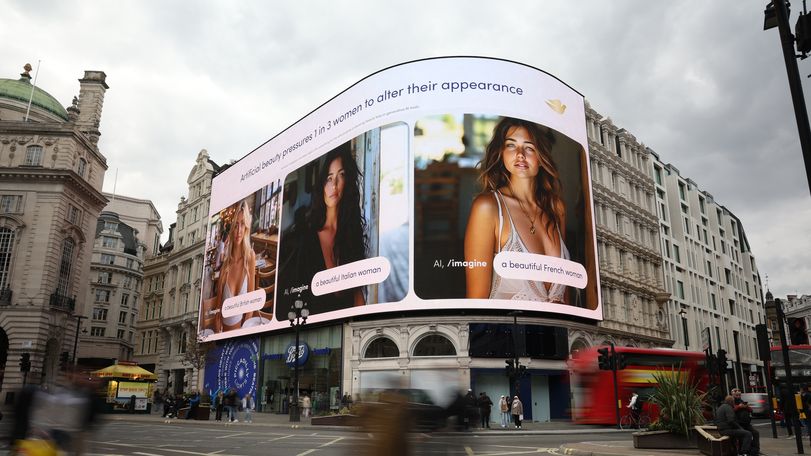
Dove’s “The Code” (2025): In Dove‘s “The Code” (2025) Dove took on bias in AI produced beauty images, in line with their longstanding commitment to combatting unrealistic beauty standards and supporting authentic representation.
LEGO’s Accessibility Initiatives: LEGO‘s has incorporated inclusive design and resources into its products and play experiences to ensure inclusion extends beyond marketing campaigns.
Mattel’s Inclusive Barbie Line (2025): Mattel continues to expand its Barbie line to include dolls representing a range of disabilities, health conditions, and body types, reinforcing the critical need for authentic and thoughtful representation.
How to do inclusive marketing without backlash
The following are principles to help marketers avoid backlash when creating inclusive marketing messages.
- Begin internally: To create an authentic message, the company must foster inclusivity and promote diverse perspectives to drive employee engagement.
- Community involvement: Don’t assume that you know what people outside your circle have gone through. Reach out to individuals in your community and collaborate with community creators and subject experts to create a message that is perceived as authentic by your intended audience.
- Utilizing authentic storytelling: When using marketing messages, emotionally talented storytellers will create stronger positive responses than equally talented normal copywriters will. Use stories that are relatable to people and create an emotional connection to your products.
- Long-term commitment: Be committed to being inclusive. You need to demonstrate your commitment through consistent inclusivity messaging. This will build your company’s credibility and create trust over time.
- Track Impact: There is more than one way to measure your message’s success. While tracking reach and impressions is important. You must also look at audience sentiment, the level of trust, the authenticity of the company’s inclusion message(s), and whether people feel they are represented and “seen.”
The future of inclusive branding
The future of Inclusive Marketing will be characterized by genuine representations and less focus on trends. Hence, as consumers’ use of social media increases, marketers will need to shift their focus from visibility to developing genuine connections and building a sense of connection with consumers at all times, rather than just through occasional campaigns.
Marketers who demonstrate an understanding of and respond consistently to their consumers’ needs while using inclusion as part of their whole marketing strategy. Will most likely have success. Trust and engagement will become the most relevant measures of success.
For marketers looking to achieve success through inclusive marketing, consumer expectations will shift from a differentiator to an expectation over time.
Cut to the chase
An effective inclusive marketing strategy isn’t about checking representation boxes. It’s about building trust through authenticity, consistency, and meaningful action.
The brands that create lasting relationships with consumers. are those that listen to their audiences, involve the communities they serve, and demonstrate their values with an authentic commitment to create a difference.
Is your brand making people feel seen, or simply visible?
FAQ’s
An inclusive marketing strategy ensures that marketing campaigns, messaging, and experiences represent and resonate with diverse audiences authentically and respectfully.
Brands can avoid backlash by involving the communities they represent, ensuring authenticity, avoiding stereotypes, and backing their messaging with consistent actions and long-term commitment.
Inclusive marketing helps brands build trust, strengthen customer relationships, improve brand perception, and create meaningful connections with a broader range of consumers.