10 Experiential Marketing Examples Where Brands Turned Activations into Experiences
“In a world of advertisements, live experiences leave a lasting impression. They fuel interest, spark conversation, and turn audiences into advocates.” – Cheil USA
Advertising buys attention while experiences can make people participate.
That difference is becoming more important in 2026. Consumers are surrounded by ads, sponsored posts, and branded content. Nevertheless, a physical or digital experience, however, can give audiences something to remember, photograph, discuss, and share.
So, what is experiential marketing? It is marketing built around direct audience participation. Instead of simply telling consumers about a brand, it gives them something to see, touch, try, play with, or experience.
It is becoming another way to build brand memory, community, and eventually business.
Here are 10 experiential marketing examples that show how brands are turning activations into moments people actually want to experience.
1. McDonald’s turned anime fandom into WcDonald’s
McDonald’s created manga-inspired packaging, a special WcDonald’s Sauce and four original anime shorts with Studio Pierrot. The 2024 campaign appeared across more than 30 markets. It also created an experiential activation in Los Angeles that sold out within minutes.
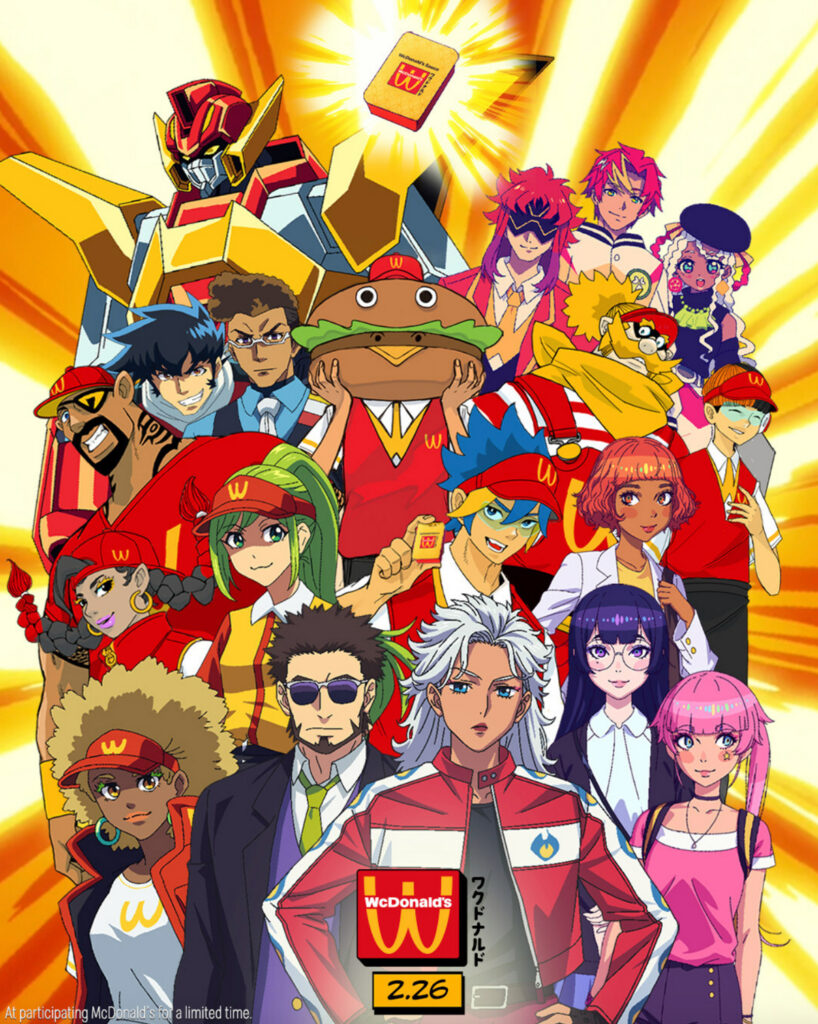
Why it worked: McDonald’s entered an existing fandom instead of trying to manufacture one. That is a useful lesson for brands planning future brand activation examples.
2. Apple TV+ made Severance feel like real life
Apple TV+ transformed the world of Severance into an immersive experience. Its 2025 ORTBO activation turned Bell Works in New Jersey into Lumon Industries.
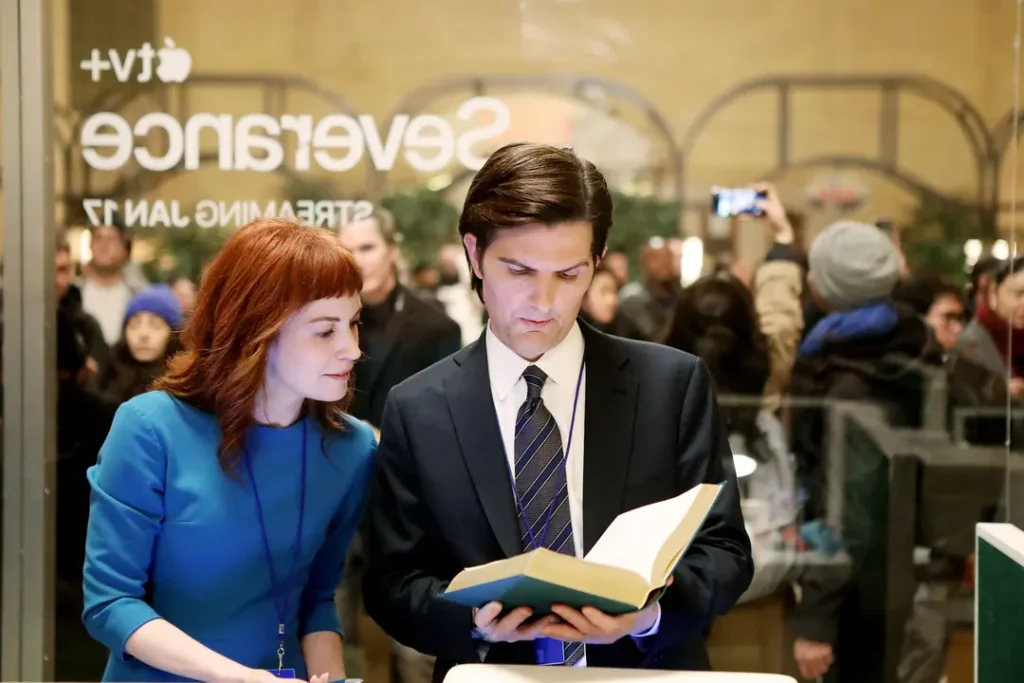
Fans experienced the fictional company through an immersive environment, cast appearances, a live Q&A, and a performance of the series’ theme.
Why it worked: The activation did not explain the show. It allowed fans to step inside. That is experiential marketing at its most obvious and effective.
3. IKEA turned a Manhattan space into a home
IKEA celebrated its 40th U.S. anniversary by creating an immersive Manhattan pop-up around cooking, eating and home life.
Visitors received coffee and cinnamon buns, explored staged rooms, attended cooking demonstrations and enjoyed a meatball happy hour. An AI photobooth added another shareable layer.
Why it worked: IKEA converted product discovery into a lifestyle experience. The products were present, but the experience did not feel like walking through another catalogue.
4. Raising Cane’s put chicken on the fashion runway
Raising Cane’s took an unusual route for a quick-service restaurant. In 2025, it created a “Chicken & Couture” fashion experience in New York.
The activation combined fried chicken with high fashion and featured couture inspired by the brand. Influencers, athletes and celebrities helped turn the unusual pairing into social content.
Why it worked: The activation was deliberately strange. Chicken and couture should not naturally belong together. That tension created curiosity, conversation, and content.
5. Nike made movement a social experience
Nike and Spotify expanded their partnership with “Make Moves,” a global initiative encouraging girls to move to one song every day.
The experience combined music, movement, athletes, artists, and creators. The campaign used a shared playlist to turn physical activity into a recurring cultural ritual rather than a one-time advertising message.
Why it worked: The brand activation connected Nike’s sporting purpose with Spotify’s strength in music. It gave the audience something to participate in repeatedly.
6. Salesforce turned a B2B conference into an ecosystem
B2B marketing does not have to mean conference rooms, PowerPoint decks, and aggressively serious handshakes.
Salesforce’s Dreamforce has become an immersive brand experience combining technology demonstrations, education, networking, entertainment and community. In 2025, its Agentforce City and Campground gave attendees hands-on ways to experience Salesforce’s AI proposition.
Why it worked: Salesforce turned its customers, partners and prospects into participants. For B2B brands, that community layer can be more powerful than another product presentation.
7. Adobe made its own conference a creative playground
Adobe MAX is another strong B2B experiential marketing example. The annual event brings together creators for product demonstrations, hands-on labs, creative sessions, networking and live experiences.
The 2025 edition offered more than 250 sessions and hands-on labs, alongside the Creative Park and other physical experiences.
Why it worked: Adobe understands its audience. Creative professionals do not just want to hear about creative tools. They want to experiment with them.
8. Heineken made moderation part of the festival experience
Heineken used festivals to promote Heineken 0.0 and position moderation as part of modern festival culture.
Its 2025 festival activity focused on alcohol-free choices and changing consumer attitudes toward drinking. Heineken reported a 125.5 percent increase in Heineken 0.0 sales at Coachella compared with the previous year.
Why it worked: The brand did not treat alcohol-free beer as a product problem. It made the product relevant to an evolving social experience.
9. Heinz turned the fry box into a ketchup experience
HEINZ redesigned the traditional fry box with a built-in ketchup compartment, making on-the-go dipping easier while turning everyday packaging into a brand experience.
Why it worked: HEINZ solved a genuine consumer frustration instead of creating another flashy activation. The packaging itself became the product experience, making the brand impossible to miss.
10. Nike turned a basketball location into a brand experience
Nike created Victory Park at Brooklyn Bridge Park during the 2024 Olympics, turning its NYvsNY basketball tournament into a larger physical experience.
The three-day activation brought emerging New York basketball talent into a highly recognizable location and connected sport, community and the Olympic moment.
Why it worked: Nike made the location part of the story. The experience was distinctly New York, distinctly basketball and distinctly Nike.
What are the current trends in brand activation in 2026?
The biggest change is the shift of brand activations moving from spectacles to systems.
Brands are treating an activation more than an event. The physical experience now feeds social content, creator activity, digital engagement, commerce, and community.
Experiential marketing acts as a portfolio that now includes immersive experiences, retail, brand-owned communities, live events, sampling, utility-led experiences and purpose-led engagement.
Physical experiences are becoming content machines
A good activation now needs a second life online.
Brands are designing photogenic spaces, creator zones and “hero moments.” It is footfall plus content plus conversation.
‘Phygital’ experiences are becoming normal
Physical and digital experiences are increasingly connected.
QR codes, apps, AR, AI-generated content, gamification and personalized digital journeys can extend an activation beyond the venue. The result is a brand experience that does not disappear once the event closes.
Creators are becoming part of the activation
Brands can invite creators and social influencers to experience the activation firsthand. They can document the experience, create short-form content, and bring their communities into the conversation.
In 2026, authenticity, community, and real-world interaction are becoming more important as audiences become increasingly tired of polished, repetitive digital content.
AI is entering the experience layer
AI can personalize experiences, generate content, support recommendations, and help brands localize activations at scale.
WARC’s 2026 outlook similarly points toward AI-enabled production and localization, while highlighting cultural relevance, inclusivity and meaningful physical interaction as major directions for brand experiences.
How digital marketers can benefit from experiential marketing
Experiential marketing gives digital marketers something traditional digital advertising often struggles to create original behavior to amplify.
First, activations create content. Consumers, creators, and influencers can generate videos, photographs, reviews, and reactions around the experience. That gives digital teams authentic material for social channels.
Second, experiences can increase brand recall.
Third, activations can create communities rather than temporary audiences. When people participate in something together, brands can continue the conversation through social platforms, creator partnerships, loyalty programs and digital communities.
Cut to the chase
The best experiential marketing campaigns are not simply big events with bigger budgets. They give people a reason to participate. That is the real experiential marketing strategy emerging in 2026.