What Marketers Can Learn from Labubu’s Rise and Slowdown
Labubu made its mark as a global trend that was digital, tangible, and difficult to miss. While the fanged doll was making rounds online and appearing on handbags, a larger marketing story was taking shape.
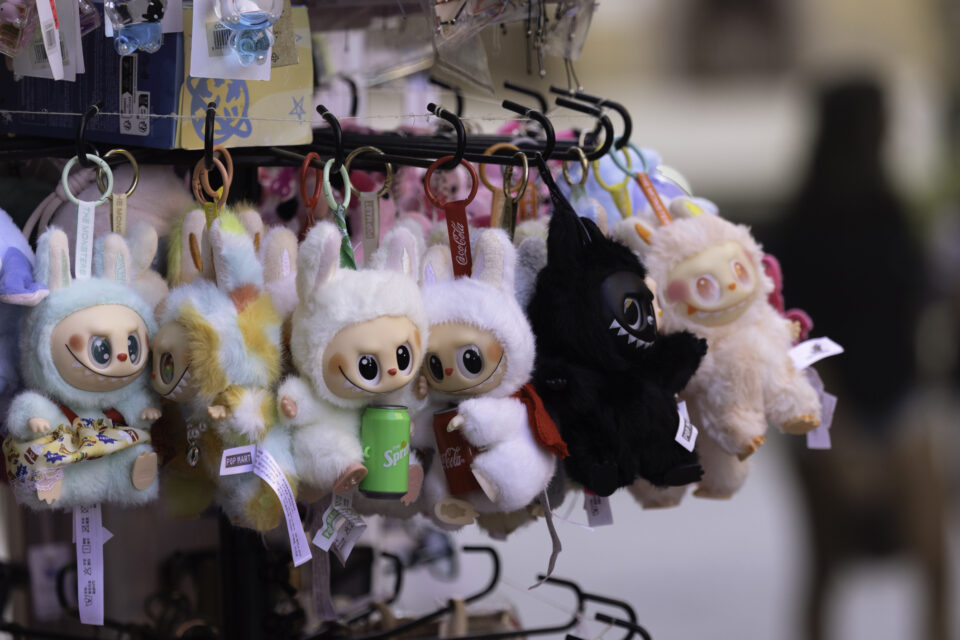
From Rihanna to Lisa and Dua Lipa, celebrity adoption helped turn the ugly-looking collectible into a coveted accessory. For a while, carrying the doll seemed almost as important as owning it.
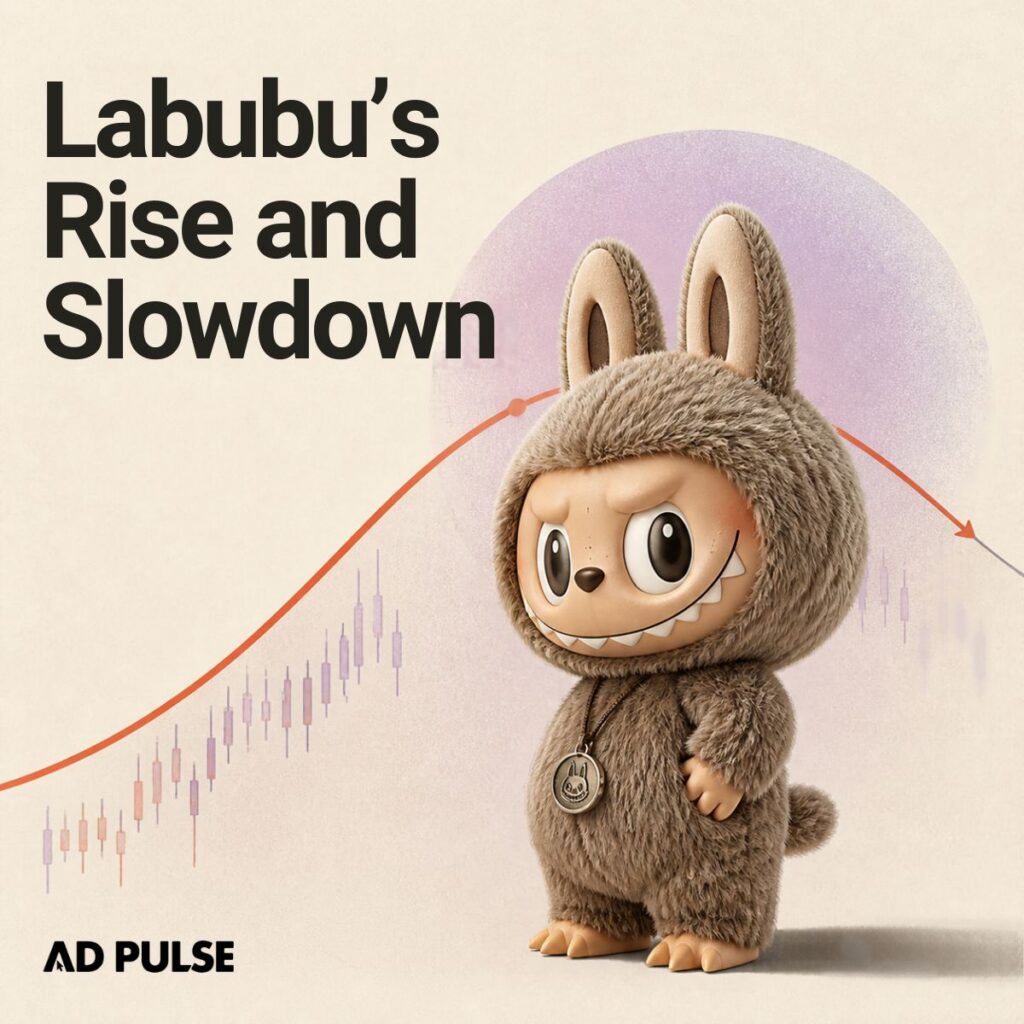
But even a recognizable face cannot keep a trend permanently fashionable. As availability increased and resale prices weakened, questions about Labubu’s staying power became harder to ignore. The frenzy was cooling.
Labubu’s rise brought together distinctive design, celebrity visibility, and the surprise of blind-box buying. Yet judging its success only by the intensity of that craze misses what Pop Mart gained. A much wider audience for an existing character, with commercial possibilities beyond the next toy release.
Pop Mart sold dolls, but it also expanded the market for intellectual property (IP). For retail marketers, that makes the fading phase worth examining alongside the hype.
Questions are how the buying frenzy developed, why parts of it cooled, and what the character can retain after consumers stop treating every release as an event.
How Labubu became a global collectible
Labubu did not begin a viral marketing campaign. Hong Kong-born artist Kasing Lung introduced the character in 2015 within his illustrated world, The Monsters. Pop Mart began selling the collectibles in 2019. The eventual breakthrough followed years of character development and distribution.
Three factors helped Labubu beyond its original audience.
- Social media made collecting visible. Unboxing videos gave viewers a small story: anticipation, an unopened package, and a reveal. Collection displays, styling videos, and reactions created further reasons to post. The product supplied material for content post-transaction.
- Celebrity adoption gave the character a fashion context. Lisa’s public association with Labubu helped accelerate its visibility. Other famous owners extended that exposure. Calling every appearance an “endorsement,” however, would imply commercial arrangements that have not been established. The observable benefit was celebrity visibility.
- Blind boxes made purchasing unpredictable. Customers bought it into a collection without knowing which concealed design they would receive. That uncertainty added another reason to discuss, trade, and sometimes purchase again.
The business expanded across regions. Pop Mart reported 2025 revenue growth of 748.4 percent in the Americas and 506.3 percent in Europe and other regions. These are company-wide figures, rather than Labubu-only sales, but they demonstrate the scale of its international expansion.
Labubu’s appeal travelled through a combination of recognizable design, wearable products, and participation that consumers could easily display.
The ‘Blind Box’ made the purchase part of the entertainment
Customers know the collection they are purchasing, but the packaging conceals the specific variation inside. The surprise concerns which product they receive.
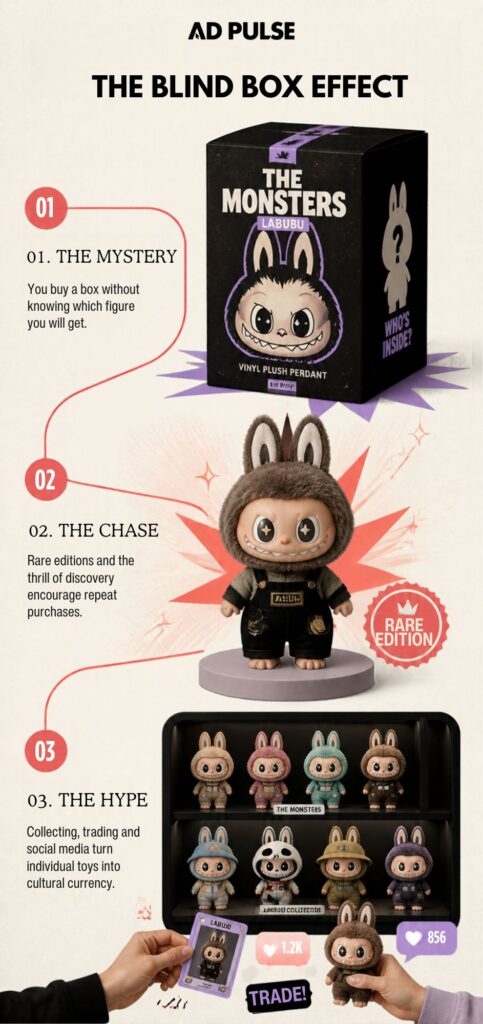
Pop Mart applied this format to Labubu through themed collections. Its Big Energy range, for example, includes six regular designs and a secret edition. The character remains recognizable while colors and details give collectors different versions to pursue.
The format supported attention in four ways.
- First, it created anticipation before opening. The package became part of the experience because the purchase remained unresolved until the reveal.
- Second, it gave consumers something to film. An ordinary transaction could become an unboxing video with an outcome viewers wanted to see. Surprise supplied the content’s basic structure.
- Third, it encouraged the collection of buildings. Buyers interested in particular designs, or finishing a series, had reasons to return. Receiving a duplicate could also create an occasion for trading.
- Fourth, it gave rare variations of additional significance. Secret editions introduced a distinction between owning the character and finding a less common version. That distinction could attract collectors and speculative buyers for different reasons.
The commercial strength was the connection between these activities. Buying generated a reveal, the reveal generated conversation, and conversation could encourage another purchase. Pop Mart participated in the product’s release cycle to enhance its appeal.
Surprise could not sustain the frenzy
The blind box helped boost Labubu’s popularity, but it cannot account for every subsequent slowdown. Surprise, product scarcity, and resale speculation are connected forces. They are not interchangeable.
A concealed variation can remain surprising even when the product itself becomes widely available. What changes is the satisfaction of securing something difficult to obtain. As supply expands, buyers have fewer reasons to queue, rush, or pay substantial premiums.
Reuters reported in October 2025 that falling Labubu resale prices could reflect greater supply rather than a straightforward collapse in demand. That distinction matters: weaker resale economics does not automatically mean ordinary customers have stopped buying.
There is also a practical limit to repeat surprises. Collectors can complete their preferred sets, tire of duplicates, or decide that another variation offers too little difference. These are risks inherent in the format, rather than proven explanations for every lost purchase.
The lesson is that surprise needs renewal. Packaging can make a purchase entertaining, but continued demand requires products and experiences people value after opening the box. A character business must eventually offer more than another concealed color.
Character recognition, Labubu’s major success
Labubu’s commercial significance extends beyond individual toy sales. Its face became recognizable outside its original collecting community, giving the character opportunities across products, collaborations, and entertainment.
However, Labubu did not become an intellectual property because it became famous. It was already an artist-created character. The achievement was expanding its audience and commercial relevance, rather than creating ownership through popularity.
Nor does established IP eliminate copying. Recognition can increase demand for imitations alongside genuine merchandise. Commercial value depends partly on making official products desirable and distinguishable, while managing the character’s authorized uses.
Pop Mart’s reported figures show the scale already achieved. The Monsters, the character family that includes Labubu, generated RMB14.16 billion in 2025 revenue. That figure covers the family, rather than Labubu alone.
Entertainment expansion is also more than a hypothetical possibility. Sony Pictures acquired Labubu’s screen rights, with a feature film reported in early development in November 2025. A development agreement, however, does not guarantee a released film or a successful franchise.
The Disney comparison is useful as a contrast in sequence. Labubu achieved mass collectible visibility before a major screen adaptation.
Pop Mart has demonstrated that merchandise can substantially expand a character’s audience. The next challenge is turning that recognition into repeated engagement beyond collecting.
Five lessons for marketers to learn from frenzy trends
1. Give people something recognizable. Labubu’s pointed ears, teeth, and mischievous expression provided a consistent identity across variations. Marketers need distinctive features that survive changes in format, color, and context.
2. Design for public use. The bag charm carried the character into everyday life. Visibility continued after purchasing, reaching people who might never watch an unboxing video. Consider where customers display, carry, or use a product, and how that use introduces it to others.
3. Make participation rewarding. Reveals, trading, styling, and collecting gave owners activities beyond possession. The useful lesson is to create reasons for engagement that suit the product. Simply concealing merchandise does not automatically create a community.
4. Measure demand beyond the frenzy. Resale premiums, queues, social mentions, and primary-market sales answer different questions. A fall in one measure should trigger investigation. Marketers need to understand whether scarcity is weakening; buyers are leaving, or purchasing is moving elsewhere.
5. Build the next reason to care. A successful launch should inform subsequent development. New formats, thoughtful collaborations, character stories, and experiences can broaden relevance. Endless variations alone risk making releases feel interchangeable.
Together, these lessons point toward a disciplined approach:
- Use attention
- Develop familiarity,
- Give that familiarity somewhere to go.
Labubu’s rise offers marketers a more useful case study than a simple verdict about whether the craze is over. The same character can experience weaker resale activity, reduced urgency, and continued commercial relevance simultaneously.
Cut to the chase
Labubu has established the recognition needed to attempt that transition. Retail marketers should therefore study what Labubu converted attention into. Sales matter, but so do identifiable design, a returning audience, international distribution, and opportunities to use the character across categories.