
Why Marketing Proof Points Matter More Than Brand Promises in 2026
For decades, branding lived comfortably on bold claims. Best-in-class, industry-leading, and revolutionary. And strange for a while, that formula worked like anything.
But in 2026? Consumers don’t just hear words — they actively tune them out. Today, the audience is hyper-informed and algorithm-savvy. They have witnessed influencer scandal, overhyped AI tools, greenwashing exposure and affiliate marketing schemes attached with “authentic recommendations”.
As earlier, Ad Pulse already pointed out
If you are looking into the future, brands will not win based on what you promise; you will win based on what you’ve proven to deliver.
Trust isn’t assumed anymore; rather, it’s demanded and verified.
Welcome to the age of proof-based branding, when your ability to demonstrate something visually and verifiably is considerably more important for marketing success than what you say.
The trust deficit brands can’t ignore
Consumer confidence didn’t just vanish — it has been eroding away steadily, one click and/or view at a time.
The concern of many consumers is that they see so many advertisements and messages with misleading claims about their product or service performance. This leads to a lack of credibility between the brand and the consumer. As a result, even the customers who were once loyal to your company have become so cautious about advertising that they are response to a skip button.
Therefore, brand proof and consumer confidence have become inextricably linked in the year 2026. Consumers have been searching for answers to questions like:
- Who is actually using this product?
- Is this product used in my daily life?
- Can I view the results of this product in a real-world environment?
- How do I receive the results from this product if it does not work?
Brands that do not answer these types of questions at the front end of the marketing process have not only lost conversions, but they have also lost relevance.
Marketing proof points: The new brand currency
Marketing proof points underpin this shift—tangible and verifiable signals that support your claims. Proof points essentially serve as modern-day “receipts” for marketing activity. They turn your vague promises into verifiable proof. Strong proof points can include:
- Authentic real-world customer results (not solely positive, selective client testimonials)
- Publicly accessible performance data
- Third party validation/endorsement
- Explicitly stating the limitations of your product
- Providing side-by-side comparisons of your product with competitors’ offerings
- Offering live demos or filtered walkthroughs of your product or service
Proof points are now the primary message communicated through marketing in 2026, no longer just an additional element of the marketing message.
Transparency marketing is no longer optional
Transparency in marketing is not about telling too much—storytelling honestly is what really sells people on a brand. People do not want everything to be perfect; they only want to know what things are really like.
Brands establish trust today by clearly stating:
- Pricing & hidden costs
- How the algorithm or AI actually works
- Whether an affiliate relationship or paid sponsorship exists
- How data will be collected or used
- What customers can expect regarding buying a product and learning how to use it
This is particularly important when it comes to being transparent about a product’s reliability when promoting products through affiliate marketing. Audiences are more skeptical than ever of recommendations from social media influencers who receive compensation for promoting a product.
Brands that clearly divulge their relationships in 2026 will have greater success than those who rely on ambiguous disclaimers found at the bottom of their pages.
From persuasion to evidence-based marketing
Emotional storytelling with established brand credibility was used in traditional persuasion methods. Evidence-based marketing strategies and trackable results are now used instead of emotional storytelling to convert prospecting leads.
- The use of emotion will require proof going forward.
- Data-proven storytelling uses these formats:
- Demonstrate with actual results how a particular feature may have changed user behavior over time.
- Discuss the reasons why a previous campaign failed to deliver measurable results.
- Utilize benchmarks as opposed to “vanity” metrics to accurately measure progress.
- Provide audiences the opportunity to interactively explore results.
Consequently, the most effective data-backed marketing strategy in 2026 will not inundate users with dashboards; the goal will provide users insights based on data that are both verifiable and relatable.
Proof points over performance marketing hype
In the past, it was thought that performance marketing would drive rapid growth. Unfortunately, reality has shown that most people experience immediate results but then lose the trust built up through this channel. By 2026, clever brands have started to make these changes:
- Decrease in overstated marketing promises
- Increase in valuable proof assets
- Decrease pressure for urgency
- Improve focus on confidence
Marketing proof points like long-term retention rates, repeat purchase quantities or customer lifetime value will soon outweigh attention-grabbing metrics related to new customers because proof has a cumulative effect while hype quickly fades.
Proof-driven marketing campaigns in action
Let’s talk about what this looks like in the wild.
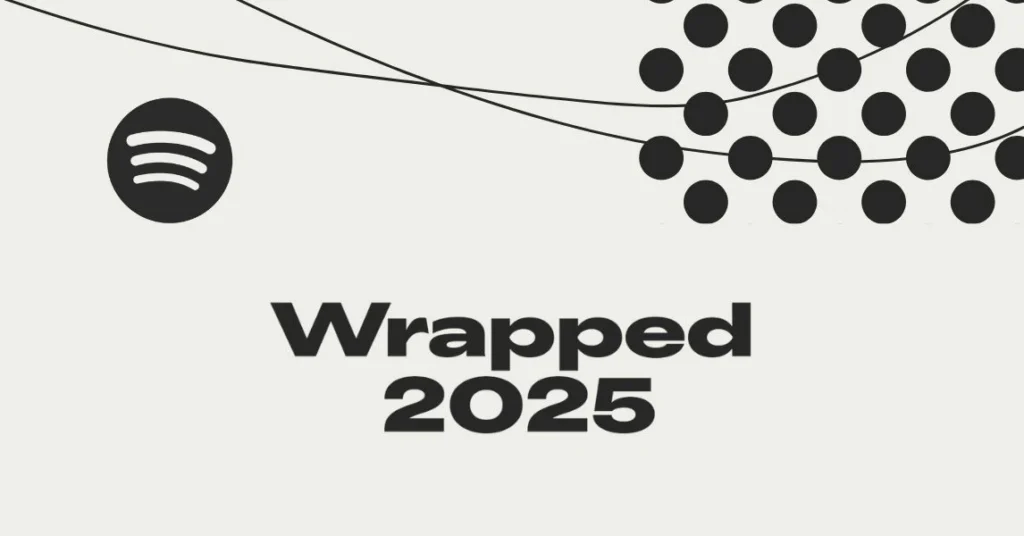
Spotify Wrapped: Spotify Wrapped creates individualized, shareable narratives using actual user listening data. Spotify Wrapped turns individual listening data into shareable identity statements, generating millions of organic shares each year — proof embedded in participation.
Why it works: Credibility at scale is the result of real data plus a great deal of natural social proof.
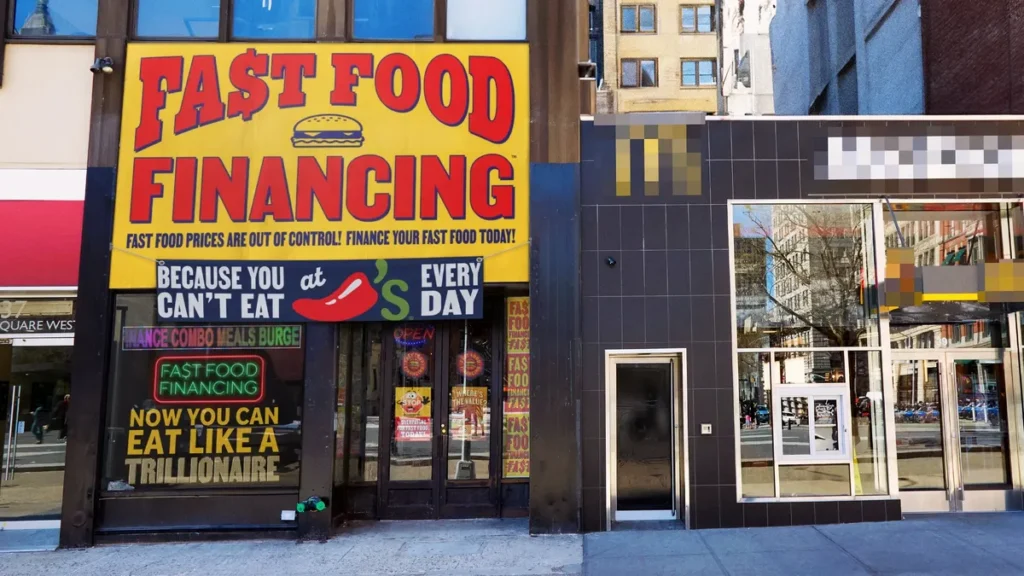
Chili’s “Fast Food Financing” Pop-Up: In response to growing food costs, Chili’s created a humorous “Fast Food Financing” outlet in New York. Without a single overstated assertion, long lines, actual foot traffic, and viral social media material became evident evidence of customer resonance.
Why it works: Unquestionable evidence of cultural relevance was produced by real-world participation.
Transparency in advertising builds brand memory
Memorability is an unanticipated consequence of transparency. Audiences stay longer, interact more deeply, and retain more information when brands describe how something works rather than overselling its features.
Giving concise explanations demonstrates respect for the customer’s intelligence, which is a potent differentiator in a crowded market. For this reason, advertising openness is not only morally right, but also strategically sound.
What “Show, Don’t Tell” really means in 2026
This doesn’t mean brands stop storytelling. It means stories need substance. “Show, don’t tell” includes:
- Demonstrating results instead of promising them
- Letting your customers say what they want to say without scripts
- Publishing data with context rather than spin
- Acknowledging uncertainty where it exists
- Replacing slogans or taglines with scenarios
The best proof-based marketing efforts feel much more collaborative than they do persuasive.
Cut to the chase
By 2026, marketing no longer triumphs only on the basis of audacious claims or creative narratives. By publicly demonstrating their worth through accurate data, open experiences, and verifiable results, brands gain trust and expand. Customers won’t trust it if you can’t demonstrate it.
Frequently Asked Questions (FAQs):
Marketing proof points are clear, verifiable evidence—like data, results, reviews, or case studies—that back up a brand’s claims.
Consumers trust proof over promises. Evidence-driven marketing builds credibility and reduces skepticism.
By showing real results, sharing transparent data, and highlighting authentic customer experiences instead of relying on slogans.