

Gen Alpha’s New Rule: Share It, See It, Delete It
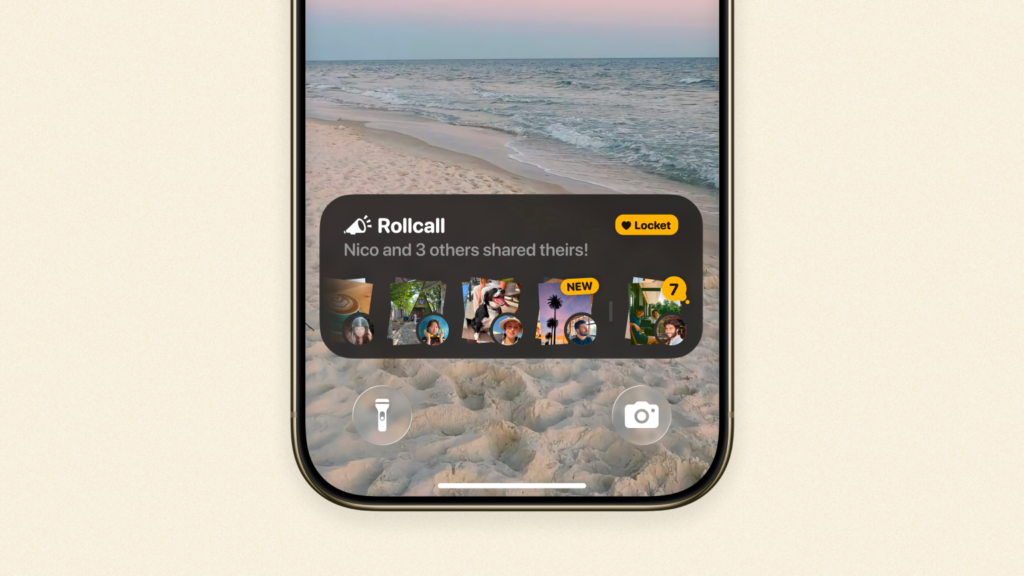
While millennials devoted themselves to constructing their feeds, Gen Z became the kings and queens of the aesthetic dump, and Gen Alpha is doing something new entirely—they are creating ephemerally present, disappearing, in-the-moment content. Their new activity? A Locket “Rollcall”—a siphoning activity inside Locket, an app/widget that sends photos to friends’ home screens.
Rollcall enables everyone to take and send live imagery in real-time snapshots, during a countdown timer, as narration occurs to everyone’s photos. The photos share “live” on your friends’ home screens, shimmering efficiently between the time they appear and the vanishing for eternity during the timer countdown. The immediacy of photos disappearing forever aligns perfectly with Gen Alpha’s rapidly rising, disappearing-content culture.
It’s intimate, messy; It’s low stakes. And it’s transforming how the youngest internet natives think about sharing. 2025 has been the year of “content as short as a blink.” Yet there seems to be a larger cultural shift at play: Gen Alpha wants connection without the risk of permanence.
The growth of “Now You See It” sharing
Gen Alpha has grown up seeing older generations juggle digital footprints: screenshots, posts that have come back from the dead, and ancient Tweets that resurface to destroy careers. For them, permanent springs eternal feel more like a trap than a memory.
So, disappearing content solves a real problem:
- You don’t have to be perfect
- There is no fear of messing up
- There are no long-term digital souvenirs

Ephemerality makes posting feel safe. And when something feels safe, it becomes authentic. Gen Alpha isn’t trying to impress the internet; they are trying to communicate to “their people.”
2025: The year disappearing content became private
Rollcall was not only a viral moment; it also marked a significant change in the way Gen Alpha wishes to exist online. By 2025, disappearing content will no longer be about public flexing but rather a private connection. Ephemeral formats are thriving because they are intimate, controlled, and low-stakes.
An intimate widget-app that allows Gen Alpha friends to share a creative weekly photo dump via iPhone Live Activities – the photos disappear after 7 days.
Snapchat (Private / Shared Stories + Snaps)
Snapchat is still a social media app of choice for ephemeral sharing, as “Private Stories” allow users to share photos with select friends – Additionally, roughly 10 seconds after viewing a Snap, the content disappears as well.

Why rollcall feels different
You could argue that Stories made sharing ephemeral goodness, and then Rollcall made it personal.
Each Sunday, Locket asks users to drop their favourite pictures from the week. Those images then appeared right on their friends’ widgets—a sweet step up from scrolling a feed to looking at one another on the phone.
And then, they disappeared. Here are the reasons why RollCall feels different:
1. A Ritual, Not a Flex: Rollcall is not about engagement—there is no like button. There’s no algorithm pushing the “best” content. It was just friends sharing their week (messed-up selfies, out-of-focus sunsets, horrible school cafeteria food) and letting it go.
2. Passive Presence: Compared to posting on Instagram, which screams “everyone look at me,” Rollcall feels like “hey, look at my week” in a low-key way. Without the capacity for engagement, the experience becomes presence-focused.
3. Low-Stakes Creativity: Gen Alpha like to experiment—create photo collages, take reaction selfies, caption it in meme style—but they are free to try anything. Because it disappears, they do not have to maintain a consistent aesthetic or “brand themselves.”
4. Close Group, Not Public: Rollcall is along the lines of private groups on Discord, Close Friends on Instagram, etc.: small groups of friends > public audiences.
For Gen Alpha, the experience of living life online is not a theater stage, it is a private room with the door half-open.
The real psychology: The reason Gen Alpha rejects a digital memory bank
Gen Alpha isn’t against sharing — in fact, they share even more than any previous generation. They are simply redefining what sharing should feel like: in the moment, fun, and not bogged down by what’s digital.
1. Realness Without the Receipts: When posts become permanent, they can be used as future fodder for teasing, whether it’s an outfit, an awkward phase, or some weird hobbies romanticized years later. Gen Alpha has seen Gen Z dragged for an old post; thus, Gen Alpha takes comfort in the safety that their moments will disappear before they can be weaponized.
2. Social Freedom: Once you know your content isn’t sticking around forever, the pressure dissipates. Again, they can share a bad angle, playing around with a weird filter, a messy room, and a braces moment without fear of worrying it will be searchable in 2035.
3. Mental Lightness: Creating a “digital self” is exhausting. With ephemeral content, you can forget about curating or maintaining the aesthetic. The Gen Alpha mantra should lean into simplicity—sharing should feel effortless – the 24/7 grind that comes with “branding” vs. sharing should be as easy as breathing.
4. The Fun Aspect of FOMO: Fear of Missing Out: With content disappearing, implementing a sense of urgency makes it a mini event. “Did you catch my Rollcall yet?” The additional nature of “racing against the clock,” adds fun not stress—and if you miss it, it will be back next Sunday anyway.
How brands are (finally) catching on
For years, marketers hated disappearing content—but Gen Alpha wants brands that feel alive, not permanently polished.
1. Time-Boxed Micro Campaigns: Brands are leaping into 24-hour drops, limited-window challenges, and Sunday-only teasers that feel playful, not pushy.
2. Unpolished Content: Raw, lo-fi, straight-from-the-phone posts do better than anything pre-produced — Gen Alpha immediately knows when something feels too “ad-like.”
3. Friend-Group Energy: Brands are engineering campaigns for group chats and not mass feeds, building inside jokes and shared rituals that feel personal.
One snack brand even went viral with a “Sunday Snack Rollcall” asking teens to drop their Sunday food pics that were automatically gone after they posted. It transformed marketing into the fun, casual game, instead of a campaign.
The future of uncertainty: When content disappearance isn’t real disappearance
While some may think of ephemeral content as innocuous, disappearing posts don’t simply take away consequences. The screenshots still exist, kids tend to inflate their concept of privacy for these moments, and parents worry about things that don’t have a trail. The more ephemeral a platform becomes, the harder it gets for adults to intervene or supervise, adding a hidden layer of digital risk that is perpetually unclear.
Looking into the future of ephemerality will rely on smarter designs from social media platforms. Safety-led “guardrails” like auto-blur for sensitive images or video, screenshot alerts, default into safe-circle, or built-in content maturity checks are quickly becoming standard player minimums for platforms that cater to teens.
Ephemerality isn’t the issue, outdated UX and flimsy safety architecture are. The platforms that will occupy space in 2025 DH+/5 years and beyond will be the ones that successfully provide short-lived content while also aiming for long-lasting safety to mental health.
Cut to the chase
Ephemeral content is only effective when protection is present, as well. Brands and platforms that make investments in smarter guardrails today will earn the trust (and attention) of the next generation of users. The future will be safe, playful, and thoughtfully designed.