

Quick Commerce Marketing: Can 10-Minute Delivery Turn Convenience into Lasting Brand Loyalty?
Someone runs out of milk before breakfast, needs snacks for an unexpected guest, or realizes they have forgotten their phone charger just before leaving home. They simply open a quick-commerce app, place an order, and have the items delivered in a couple of minutes. The process becomes convenient, the issue is resolved, and the customer is happy. But will they use the same app again, or switch to a competitor offering a better promotion? This is the dilemma faced by quick commerce companies.
Speed allows attracting customers, encourages impulse purchases, and makes the shopping process seamless. But maintaining long-term customer relations requires more than providing goods within 10 minutes.
US consumers have become increasingly comfortable ordering groceries, household essentials, and personal care products online. Companies such as Amazon, Walmart, DoorDash, and Gopuff are competing to make these purchases faster and easier.
Can 10-minute deliveries, however, lead to brand loyalty? Or does it merely make people loyal to the idea of convenience?
Let’s understand how quick commerce affects shopper behavior, increases repeat purchases, helps retain customers, and presents businesses with new avenues and tough profitability challenges.
At a Glance
- Speed attracts customers: Fast delivery makes quick commerce appealing to consumers who value convenience and time savings.
- Convenience encourages repeat purchases: Easy ordering and quick fulfilment can turn occasional shoppers into frequent buyers.
- Personalization improves engagement: Product recommendations based on shopping habits can make the customer experience more relevant.
- Promotions support customer acquisition: Discounts, cashback, and loyalty rewards can motivate customers to try a service and return for more purchases.
- Customer experience builds loyalty: Reliable delivery, competitive pricing, product availability, and consistent service matter more than speed alone.
Let’s dig in and understand what quick commerce marketing is
Quick commerce, also known as q-commerce, is a retail business model that focuses on delivering products within a short period, typically between 10 and 60 minutes, depending on the service and location, and relies on appropriately positioned fulfillment centers, local retail networks, inventory management systems, and logistics and delivery partners.
Quick commerce marketing aims to raise awareness of the benefits of this delivery model, motivating clients to place orders more often and become familiar with products. In addition, quick commerce is different from traditional e-commerce, where clients might wait one or two days for delivery.
Key Components of Quick Commerce Marketing
Quick commerce marketing involves several strategies that help attract customers, encourage repeat purchases, and build brand loyalty. The key components include:
- Speed and Convenience: Highlighting fast delivery as a key benefit that makes a quick commerce service attractive to customers.
- Personalized Recommendations: Suggesting products based on customers’ past purchases, preferences, and shopping habits.
- Promotional Offers: Using discounts, cashback deals, and loyalty benefits to encourage customers to make purchases.
- In-App Advertising: Promoting products and services through sponsored listings, banners, and personalized recommendations within the app.
- Customer Retention: Encouraging repeat purchases through rewards, relevant offers, and consistent service quality.
The purpose goes beyond simply delivering the goods quickly. It seeks to ensure that purchasing is convenient enough that customers want to repeat the experience.
Can 10-Minute delivery build brand loyalty?
The short answer is yes, but speed by itself cannot ensure customer loyalty.
When customers always get their goods quickly, they associate the service with reliability and convenience. Thus, they have a positive experience with their purchases, encouraging them to make repeat purchases.
For example, a person ordering groceries on Amazon is likely to use the service for its time-saving convenience and its wide range of products. At the same time, this person may switch to Walmart or DoorDash when they see better prices or more options on other platforms.
The difference is important: Fast delivery encourages repeat purchases, but a consistently positive customer experience is what builds lasting brand loyalty.
A July 2026 ICSC survey 1,000 US consumers found that 61% considered lower costs more important than convenience when shopping online. Also, 90% said they would accept slower shipping in exchange for savings. These findings reveal that American consumers value convenience, but they are not necessarily willing to pay any price for it.
The way for quick commerce companies is to convert sporadic shopping behavior into loyal customers by:
- Predictable and reliable delivery times
- Competitive prices and transparent delivery charges
- Availability of products quickly purchased by customers
- Personalized suggestions and timely offers
- Responsive customer support and easy refunds
This approach means that customers have less motivation to look for other platforms.
How Quick commerce marketing influences US consumer behavior
Quick commerce is revolutionizing the way American shoppers approach everyday purchases. Customers are no longer required to plan every transaction in advance, as they can now order their groceries and staples whenever necessary.
This development affects customers’ purchasing habits in the following three ways.
1. Enables constant purchasing: When consumers know they can receive products quickly, they may place smaller, more frequent orders instead of waiting for their weekly shopping trip.
For instance, if someone runs out of coffee, snacks, or cleaning products, they can order them right away. As a result, retailers will have an opportunity to increase purchase frequency.
McKinsey’s 2026 research on North American grocery shopping found that 70% of consumers prefer home delivery for online grocery fulfilment. Among them, 67% identified time savings as the reason for delivery.
2. Leads to a rise in impulse purchasing: Quick commerce applications employ sponsored listings, personalized recommendations, promotional posters, and product suggestions to affect the buying process.
A customer uses an app to buy milk, only to discover price reductions on snacks, drinks, or beauty products.
Such recommendations provide greater benefits for brands in raising product awareness and boosting average order amount.
3. Puts a premium on convenience: American consumers demand experiences that minimize time consumption and provide flexibility.
However, convenience is not about racing against the clock. High delivery costs, out-of-stock products, and incorrect orders can undermine the likelihood that a customer will become a repeat buyer.
The major task of marketers here is to offer buyers a convenient shopping experience, not just a quick one.
Popular Examples: How quick commerce is expanding in the US
The US quick-commerce industry is evolving from grocery delivery to something much more. Different retailers and delivery companies are putting money into faster home delivery, a wider range of goods, and more customer-friendly shopping;
The following three events prove this evolution in 2026.
Amazon Now: Expanding 30-minute delivery across the US
Amazon announced plans to expand Amazon Now to many cities across the United States, providing customers with items in 30 minutes or less.
This service offers customers a wide choice of items, including fresh groceries, household items, cosmetics, and other products. The service has already reached Atlanta, Dallas-Fort Worth, Philadelphia, and Seattle, with plans for future expansion.
According to Udit Madan, Senior Vice President of Amazon Worldwide Operations, “Amazon Now is for when you need or want the convenience of getting your Amazon order delivered in 30 minutes or less.”
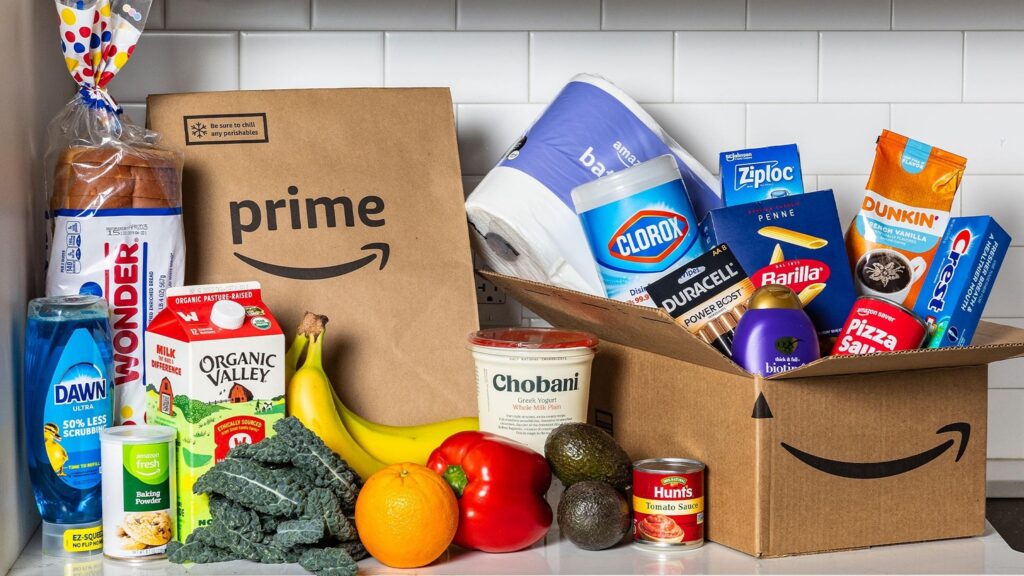
This proves that Amazon is using fast delivery as its USP. The already established customer base and robust supply chain enable the company to retain customers and drive sales.
Marketers must understand that speedy delivery enhances the customer experience when coupled with product availability and a seamless shopping experience.
Walmart: Bringing 30-minute delivery to 33 US markets
Walmart introduced a 30-minute delivery service in 33 different markets of the United States. By using this delivery service, customers can choose from among 100,000 eligible products, including groceries, baby products, pharmacy items, pet supplies, and household goods.
The service relies on Walmart’s existing store network, locations near customers, and delivery technology to enable quicker order fulfillment.
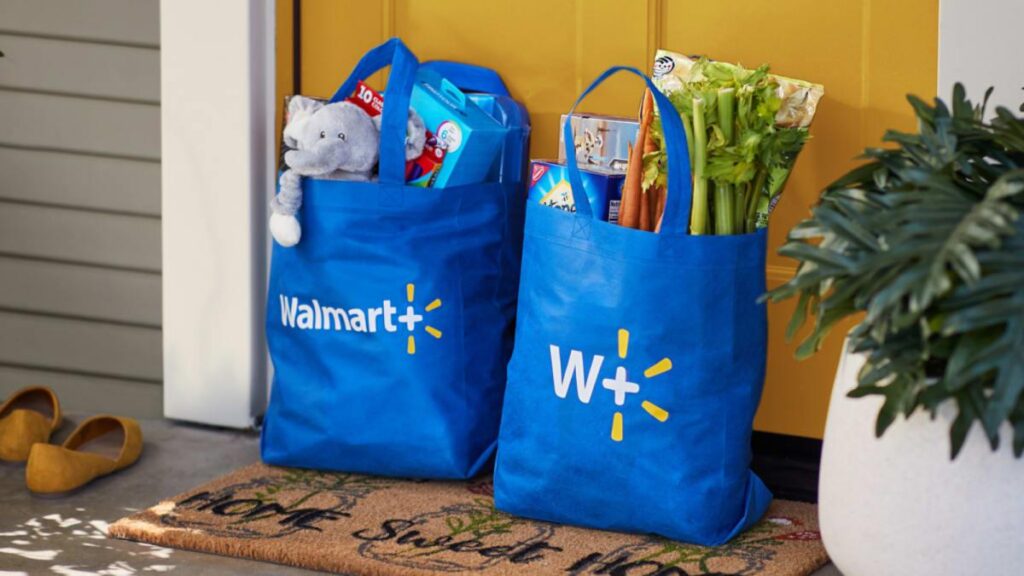
This is an important innovation because Walmart is not only dependent on separate fulfillment centers but also makes use of its own retail infrastructure to be competitive in terms of speed.
From the standpoint of quick commerce marketing, it opens new possibilities for connecting online shopping with physical retailing, promoting at the point of sale, and buying products on the spot.
DoorDash: Expanding access to retail products
DoorDash’s Dash Forward event in September 2026 brought forth new innovations, as the company discussed its growing retail delivery market.
The company stated that it had over half a million products that could be delivered to the end consumer in under an hour.
Since 2023, DoorDash and Wolt have added 30 million retail products to their services, providing more than just restaurant deliveries.
The development shows that delivery companies can enhance their relevance by offering more than just food delivery. One platform can take care not just of the food but also offer other shopping solutions.
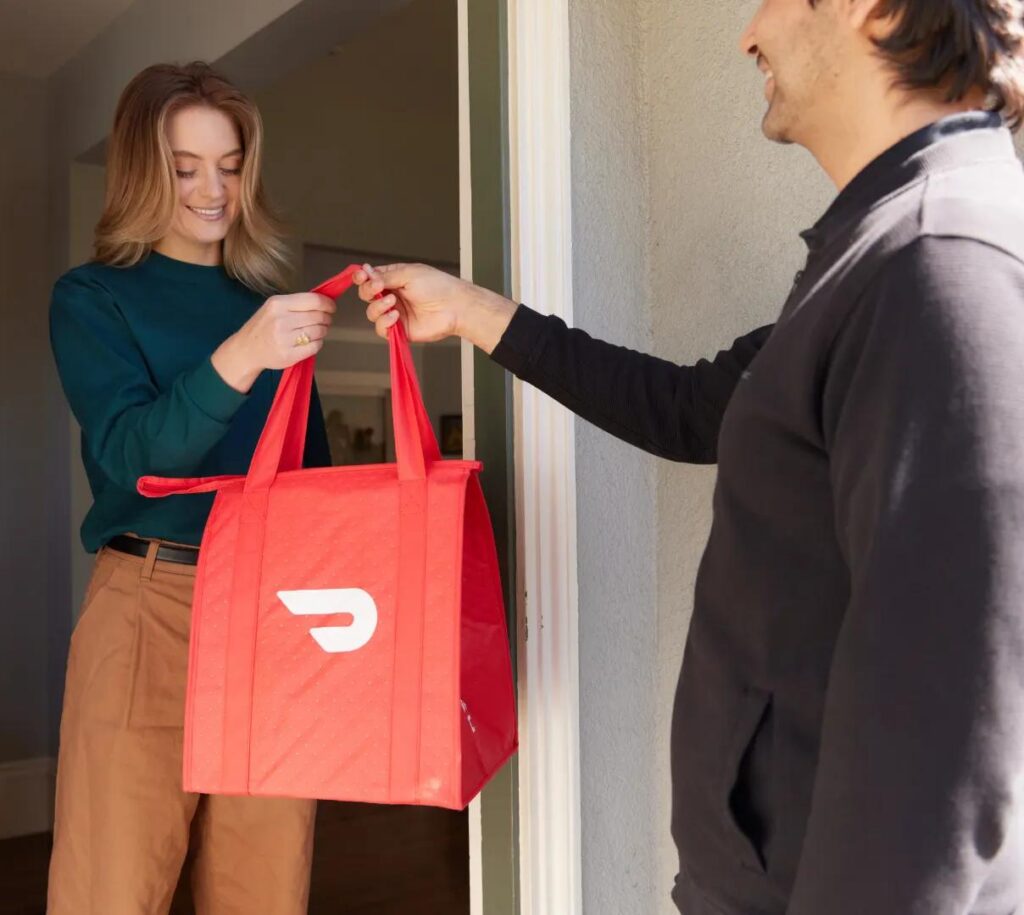
For marketing managers, this means more lives with more shopping opportunities, as well as the possibility of bringing new product promotions and other features into the app.
These examples highlight an important market trend: US quick commerce is developing flexible delivery windows, wider product selection, and convenience rather than a universal 10-minute promise.
Quick commerce profitability: Does faster delivery guarantee better ROI?
While quick commerce can increase order frequency, most of the work involved is expensive. These include operational costs of running fulfillment centers, inventory handling, paying delivery partners, customer discounts, and customer acquisition, all of which have an influence on profitability.
One platform might pull in thousands of first-time customers through promotions. However, if those customers only buy when discounted, the business’s ability to recoup CAC will be harder.
This is why quick-commerce brands must look at metrics beyond app downloads and completed orders.
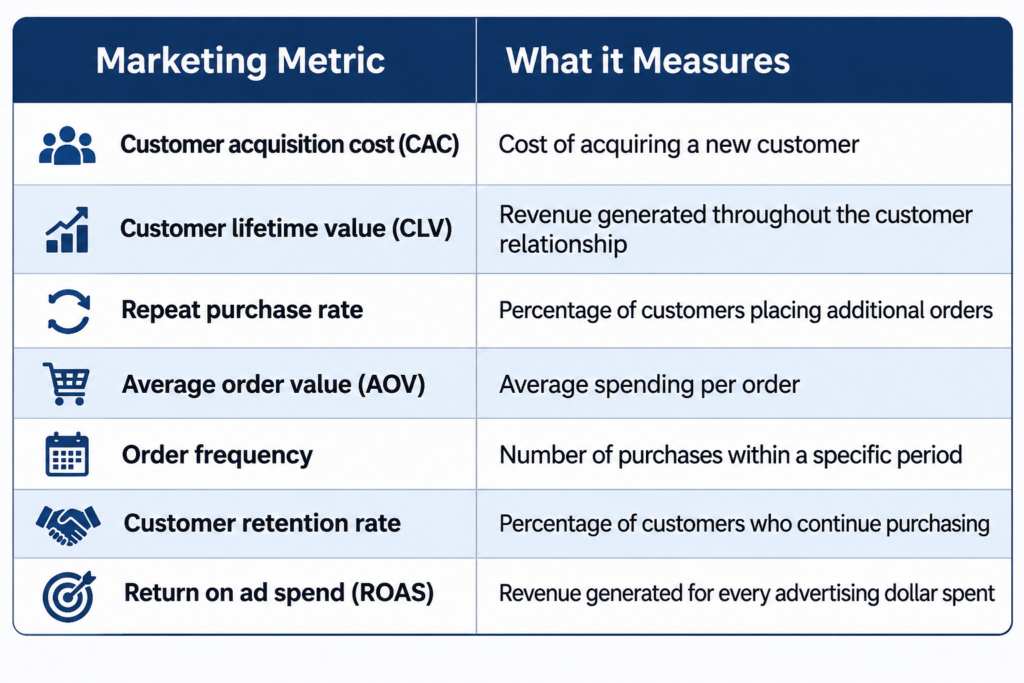
If a quick-commerce firm spends $10,000 on media and pinpoints $40,000 in attributed sales from it, its ROAS would be four.
However, the other side of that equation is to determine what discounts were provided, what fulfillment costs were incurred, and what other operating expenditures were incurred, and that must be done before profitability can be determined.
The ultimate goal should be to place customers in one’s group who continue to purchase without being incentivized by continual promotions.
What are the disadvantages of 10-minute delivery?
Although speed is beneficial, implementing a 10-minute delivery model comes with its own set of challenges in the US.
- High operational costs: Due to the need for fulfillment hubs strategically located across the United States and a sophisticated delivery infrastructure, businesses incur high costs.
- Pressure on profitability: Increasing customer expectations force businesses to offer discounts and absorb the costs of attracting and delivering to customers, resulting in lower profit margins.
- Limited product offering: Smaller fulfillment centers may not offer the same inventory as traditional supermarkets.
- Increasing customer expectations: Once customers get used to instant delivery, even slight delays can have negative consequences.
- Pressure on delivery: The extreme speed of delivery places additional burdens on the working environment of delivery personnel and heightens threats to road safety.
This is why building a quick-commerce empire based on great swiftness is not realistic.
What is the future of quick commerce in the US?
How successful companies merge speed with client satisfaction and profitability will determine the landscape of quick commerce marketing in the U.S. in the future.
Instead of relying solely on delivery speed, market operators will begin to focus on each shopping experience individually and implement elements such as loyalty programs, corporate media, and product assortment sharing.
Through AI technologies, operators can gain insights into customers’ habits to offer personalized recommendations.
Additionally, the potential of retail media networks will expand, as payments for product placement, promotions, and in-app advertising can help increase brand awareness among buyers.
However, convenience should not cost too high. As Tom McGee, ICSC President and CEO, said: “The cost of convenience has become a key part of the shopping decision.”
His observation highlights a major challenge facing retailers: customers want to receive their orders quickly but are unwilling to pay any hidden costs or charges.
Going forward, quick-commerce businesses that can provide consumers with multiple ways to receive their orders, consistently ensure product availability, offer personalized experiences, and cultivate relationships with existing customers will be the winners in this industry.
Cut to the chase
Delivery within 10 minutes can stimulate repeat buying, enhance brand awareness, and facilitate routine shopping. Speed is insufficient for fostering sustainable brand loyalty. For US quick-commerce companies to convert convenience purchases into sustained customer relationships, they need to offer reliable fulfillment, competitive pricing, product availability, and personalized experiences.
FAQ’s
Quick commerce marketing involves promoting products and services through fast-delivery platforms. It uses convenience, personalized recommendations, promotional offers, and in-app advertising to attract and retain customers.
Yes, quick commerce can encourage repeat purchases by offering fast delivery and convenient shopping. However, lasting customer loyalty also depends on competitive pricing, product availability, service quality, and a positive customer experience.
Companies track metrics such as customer acquisition cost (CAC), customer lifetime value (CLV), repeat purchase rate, average order value (AOV), customer retention rate, and return on ad spend (ROAS).