

The Rise of Athlete Autonomy: What Marketers Can Learn from Jutta Leerdam
For decades, the trajectory of elite sport followed a predictable progression. Federations set the direction. Systems defined the pathway. Athletes adapted. But that familiar order is quietly undergoing a profound shift—one defined by athlete autonomy—and Jutta Leerdam’s run-up to the Olympics is one of the clearest signals of that transformation.
As the road to Milano Cortina 2026 begins, Dutch telecom brand Odido, with TBWA/NEBOKO, has launched a campaign that is not about medals, speed, or national pride.
It is about the freedom to choose your own path and the support required to stay on it. To understand how this shift shaped the campaign—and why independence felt like the right story to tell—Ad Pulse spoke with Richard Bushoff, Senior Creative at TBWA\NEBOKO.
So, why spotlight independence now, and how did this idea take shape?
Speaking exclusively to Ad Pulse, Richard Bushoff, Senior Creative at TBWA\NEBOKO, explains that the campaign only succeeded because Leerdam’s decision was genuine and not manufactured for impact.
The creative team’s goal was to represent a sincere choice rather than to manufacture drama. And that decision—which some found controversial—became the central theme of the narrative.
When Leerdam chose to continue her Olympic preparation independently, working with a small team she trusted, it triggered strong reactions within sporting circles. For Odido and TBWA\NEBOKO, however, it sparked something else entirely: a creative evolution—one that pushes marketers to rethink independence, collaboration, and the moments when brands need to step back in order to move forward.
But before diving into the conversation, let’s take a look at the campaign film, which captures this shift with striking clarity—placing Leerdam’s choice, not performance, at the center of the story.
Odido’s previous athlete campaigns have highlighted different scenarios, and this time, it turned into a new one. What was the reason here to showcase Leerdam’s choice? Does the audience connect more with athletes who carved their path independently?
Richard: In previous campaigns, we focused on the team behind the athletes. Showing that their network of coaches, trainers, family members, and friends is important to succeed. When Jutta decided to take an individual path, a lot of people had an opinion. But the reason Jutta chose this path was to work with the people she trusted the most. We saw this story as an evolution on previous campaigns.
Also, our tagline is ‘There’s another way’ in which we show that technology can be used differently and for a better purpose.
We felt that Jutta was the embodiment of that thought by breaking with existing rules to find a way to make it better.
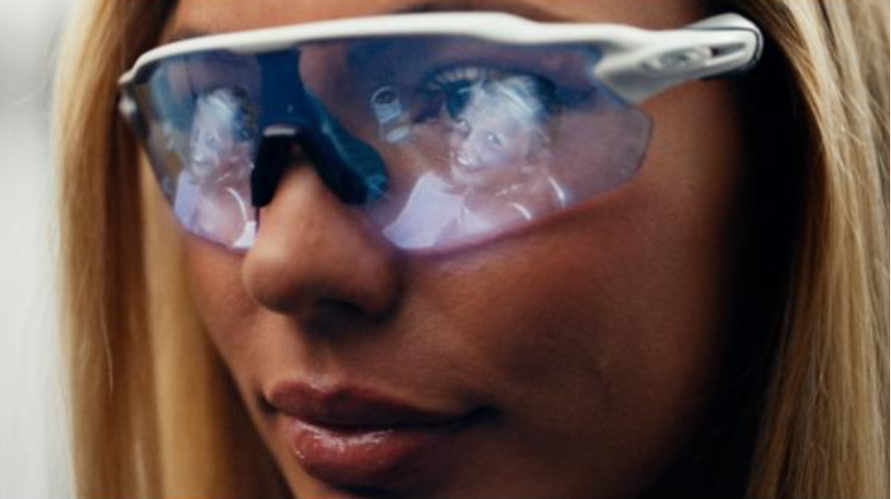
Athletes are starting to look more like creators and founders. How does this campaign reflect that shift?
Richard: We’re definitely seeing a shift where athletes aren’t just the face of a system anymore.
They’re building their own world around them, like founders do. Choosing their team, their schedule, their narrative. But the interesting thing is even when you “build your own”, it never means you do it alone. This film isn’t about being solo.
It’s about choosing the people you trust, and how much support it actually takes to keep going at this level.
This story puts support, not the brand, in the spotlight. Why was stepping back creatively important here?
Richard: Because if you put the brand in the centre, you lose the truth of the story.
Support is not something you can claim loudly. It’s something you show, and preferably without needing the applause for it. As sponsor of the Olympic Team, Odido’s role in this campaign is clear, but it’s not the hero.
The hero is what happens when someone is backed unconditionally, especially in moments that aren’t easy, or aren’t certain yet.

True autonomy often means less brand control. What did Odido have to let go of to keep this authentic?
Richard: We knew that people would be more invested in the emotional story of an athlete than in the story of a brand.
Therefore, it’s important to find a storyline that fits both the athlete and the brand: in our case, the story was about the team behind the athlete. From there, we wanted something that felt close, personal, almost like you’re watching someone’s real life instead of a campaign. That meant trusting the emotion, trusting the pacing, and trusting the story without constantly trying to steer it into a brand message.
Do you see athlete independence changing how brands approach partnerships ahead of Milano Cortina 2026?
Richard: Yes and no. Because even though the models around sport are changing, and more athletes are shaping their own teams and their own approach, we still work with both federations and athletes. And also, athletes can play for both.
We are still a sponsor of the Dutch Olympic Team and sponsor all the athletes, not only Jutta Leerdam. Therefore, we also introduced a premium online and social media to cheer for the whole team. But for the TVC we decided to focus only on Jutta. And although Jutta has her own team on the national level (which we started to sponsor), she still ice-skates for the Dutch team during the Olympics.
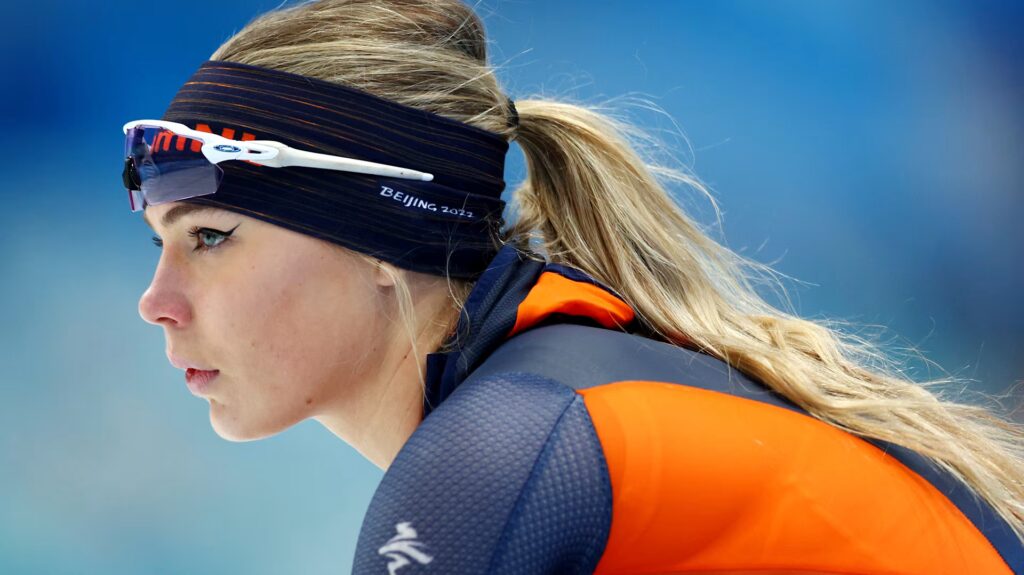
For marketers watching this shift, what’s the biggest mindset change needed when working with self-directed athletes or talent?
Richard: Stop thinking in control; start thinking in collaboration. Self-directed talent doesn’t need brands to “give them a platform.” They already have one. What they do need is partners who understand their reality, protect their brand, and add something meaningful without hijacking the story. The mindset shift is simple: don’t try to own the narrative. Earn a role in it.