Why Your Feed Feels Stuck on Rewind: The Rise (and Risk) of Nostalgia Ads
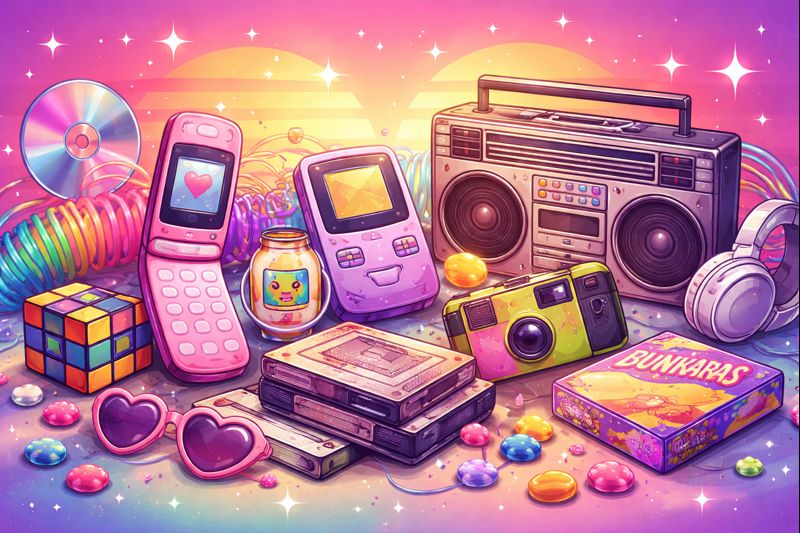
If you feel that your feed has been stuck on reverse lately, you are not simply imagining this strange phenomenon. Brands have increased their use of nostalgia in advertising by tapping into the emotions and feelings that come with reliving fond memories from previous pop culture (think Y2K aesthetics, childhood mascots, or even the very same music that sounded like your first ringtone).
Thus, nostalgia marketing is a shortcut many brands are now using to capture consumers’ attention, because marketers know people relate better to things that evoke pleasant memories than to those tied to uncertain futures.
However, even though nostalgia may create a positive initial spark, it may also quickly generate negative feelings.
Why are so many brands placing their trust in the past, when it may not be in their best interests?
Why nostalgia works (especially in 2026)
The emotional appeal of nostalgia marketing is effortless: People have feelings! An advertisement can trigger memories through things like childhood songs, television characters, snack package design, etc., and, therefore, bypass a person’s critical thinking by connecting immediately with their emotions. This emotional connection has full potential for strong brand impact.
And nostalgia isn’t just about visuals or vibes; it’s about connection.
As Ad Pulse puts it, “brands understand the real connection with consumers and focus on building bonds that go beyond the transaction.”
Nostalgia helps advertising move past selling products to creating emotional resonance.
3 reasons nostalgia drives engagement
Here are a few reasons why brands are turning to nostalgia:
1: Emotional Satisfaction in an Uncertain Era
Nostalgia provides a sense of familiarity and emotional security in an ever-evolving world of 2026. Brands are using nostalgia as a tool to help consumers feel more stable and secure.
2: Nostalgia Appeals to all Periods of Time and Generations
Nostalgia creates connections among all generations. For example, Gen Z loves to look back to times they haven’t experienced for themselves, and millennials return to the feelings associated with their own childhood.
3: Emotional Bonding = Loyalty and Recall
Brands that use nostalgic adverts develop emotional relationships with consumers that lead to increased levels of recall, trust, and repeat engagement.
If it works so well, why does nostalgia backfire?
Nostalgia should never be seen as a magic bullet. Much like a fire, nostalgia can either give warmth or cause problems. Listed below are several of the most significant issues:
1. The Danger of Overdoing It
Relying too heavily on nostalgia without a present-day link can feel irrelevant or contrived, especially for Gen Z.
2. Too Much Focus on the Past
Campaigns that ignore modern culture and values risk making the brand feel outdated rather than iconic.
3. The Potential of Cringe-Worthy Nostalgia
Missed or misunderstood cultural references can create disconnect—and quickly turn into social media backlash.
The new rules of nostalgia advertising in 2026
In 2026, the best nostalgia advertisements all have similar strategies:
1. Emotional trigger: use a nostalgic moment that is widely identifiable and/or emotionally charged
2. New spin: incorporate elements of nostalgia with new storytelling/technology
3. Cultural relevance: connect nostalgia with the cultural trends/values of today
4. Participation: allow audiences to engage or create a new way to experience their nostalgia

If proven to be correctly executed, nostalgia will not only be a trip down memory lane; it will create a bridge between consumers’ feelings from that time and how they currently feel about it.
Recent nostalgic ads that hit the right spot
Here’s a snapshot of campaigns across industries showing the range of nostalgia in action—some hitting the mark and others illustrating the trend’s breadth:
Dos Equis revives “The Most Interesting Man in the World.”
Dos Equis has tapped into nostalgia with the revival of their iconic “Most Interesting Man in the World” campaign through the 2026 relaunch of Jonathan Goldsmith as this memorable character. This campaign connects with Dos Equis’ past and with a younger audience while also giving us plenty of opportunities to enjoy the funny, larger-than-life character in digital and face-to-face formats.
Welch’s ‘Grape Juice Girl’ returns
Welch’s has brought back their original “Grape Juice Girl” from their 1990s commercials as part of their largest gleeful juice campaign in order to combine the best of both worlds: the nostalgic, old-timey feeling with the fun of today’s modern culture. While this entire campaign has created its own nostalgia for the parents who grew up with this character, it has also introduced a new generation to her playful persona.
Nostalgia vs modern branding: Finding the balance
Rather than favoring the past or present when creating nostalgia advertisements, it is important to create a new form of advertising that combines both. Nostalgic brands demonstrate knowledge of their heritage while also creating relevance in today’s economy by creating the feeling of familiarity while still being something fresh, new, and exciting for today’s consumers.
Nostalgia offers emotional connections through:
- Familiarity
- Comfort
- Shared Memories
Modern branding allows relevance because of:
- Technology Innovation
- Cultural Relevance
- Social Value
When done correctly, nostalgia will not become regressive if it is combined with modern brand elements; nostalgia, when paired with modern branding elements, should create a sense of resonance.
Where nostalgia marketing headed next
As time goes by in 2026 (and beyond), there will still be nostalgia; however, it will continue to change as time continues. Current trends point toward micro-nostalgia (individual year moments) and anemoia (nostalgic feelings towards things that you did not have a direct experience of), especially among the Generation Z demographic.
In addition to understanding what people have been nostalgic about and why, understanding why consumers are feeling nostalgic will give brands a better chance of thriving. Brands that relate authentically to their target audience’s feelings of nostalgia through emotion and authenticity will have greater success in persuading consumers to purchase their products than brands that merely mimic “retro” styles.
Cut to the chase
Nostalgia advertising works best when the past is reimagined for the present. When done right, it deepens emotional connection, sparks conversation, and creates cultural moments that feel alive, not recycled. When done poorly, it risks feeling dated—more museum exhibits than modern brand story. The real challenge for brands isn’t revisiting old memories but translating those emotions into something meaningful for today’s audience.
FAQs: Nostalgia Ads & Marketing in 2026
Nostalgia ads use familiar memories, cultural references, or past experiences to create emotional connections between brands and audiences.
In uncertain times, nostalgia offers comfort and familiarity. It helps brands connect emotionally when consumers feel overwhelmed by rapid change.
Gen Z often engages with anemoia—nostalgia for eras they didn’t experience firsthand—making Y2K and early-internet aesthetics especially effective.
Nostalgia ads fail when they feel forced, ignore modern values, or rely on outdated references that don’t resonate with today’s audience.
By pairing emotional throwbacks with contemporary storytelling, cultural relevance, and technology, brands can make nostalgia feel fresh and meaningful.