Social Algorithm Reset 2026: How Brands Can Win Organically
It’s incredible how quickly everything changes! In 2024, brands learned the hard way that you needed to pay to be seen on social media. By 2025, everything had changed: platforms went through the “social algorithm reset,”. Users now had significantly more control over what they saw in their feeds; meanwhile, creator communities expanded, safety rules tightened, and artificial intelligence began determining where content appeared.
Suddenly, what seemed like “owned reach” was no longer reliable. However, this fragility presents a new opportunity; companies can continue to remain relevant without breaking the bank!
A recent Ad Pulse article about using the platforms we depend on highlights this effect. At some point, you may be surprised when you notice your engagement has dropped from several thousand likes to just a couple of hundred. This is because the algorithm has changed, and you have not updated your post.
This demonstrates that the best brands do not rely on having the most money to be seen in 2026 but rather on being the smartest. Here’s how to do exactly that.
But wait, why does it feel like a reset? Let’s unpack
The way platforms have evolved from a single ‘algorithm’ to their current state. Having multiple AI engines that learn to anticipate users’ individual preferences has been staggering.
Over the past year, for instance, Meta has noted that many more of its feed systems are utilizing AI signals than in previous years. Users’ actions, such as viewing, sharing, liking, and returning to specific posts, no longer solely depend on a single algorithm. Instead, they are measured through various formats (i.e., stories, reels, and posts).
The shift has occurred from just using algorithm-driven models to now utilizing multiple formats for measuring user engagement. The content will present significantly different regulatory impacts for platforms in the future. Particularly in relation to new legislation, such as the Digital Services Act (EU). Additionally, due to the impact of continued enforcement on platforms with more recent, stricter policies regarding advertising and payment for attention.
Lastly, the way users engage with social media continues to evolve.
What the new organic playbook looks like (no extra ad budget required)
Building an organic audience will become much more difficult for companies. And they will thus have to spend the necessary resources and invest more time into establishing their brands organically, rather than merely using paid advertising to achieve visibility.
1: Create systems rather than a single algorithm:
Each placement now has its own AI brain. A quick, snackable reel with a high completion rate will easily outperform even your best deep-dive video. Tailor your content to each format — text-first posts for X/Threads, 2–3-minute episodic videos for YouTube, and vertical shorts for Reels/TikTok. Follow the format, or the algorithm will filter you out.
Subscribe to our bi-weekly newsletter
Get the latest trends, insights, and strategies delivered straight to your inbox.
2: Instead of mass broadcasting, create micro-communities:
The high-quality signals that AI adores—replies, saves, and return visits. They are produced through specialized platforms, including Discord, Telegram channels, Close Friends lists, and email groups. Focus on recurring value, such as weekly tips, micro challenges, and exclusive drops, rather than chasing one-time virality. In the 2025 algorithm era, community surpasses reach.
3: Partner with creators – with real measurement:
Creators continue to play a vital role in driving organic discovery for brands. Brands should co-create repeatable formats (rather than a singular ad) with creators, as well as measure the significant results (such as sign-ups, trials, and leads). Plus, encourage your creators always to post natively (on their own platform) to prevent being penalized by other platforms.
4: Focus on owned channels (first-party signals) to build trust with your audience:
Algorithms will change, but owned channels are stable. Use social media to introduce new customers; then direct them to your email list, application, or wherever your community lives. A small, active audience in a CRM is more valuable than a large, passive following.
5: Be a trusted partner during a safety-centric period:
Safety and security are now of the utmost importance to consumers, so safety and transparency are vital.
6: Repurpose Creatively:
Repurpose your content so it looks and feels fresh on every platform — rewrite captions creatively and cut unique clips with never-before-seen moments.
7: Social SEO and Discovery Signals:
Currently, social search is one of the top engines used for searching for content. Therefore, ensure that your captions include keywords relevant to your subject matter. And a clear description of your content to optimize your visibility on Instagram, YouTube, and search engines like Google.
Examples that are already winning in 2025 organically
While platforms are tightening their rules and their algorithms are becoming smarter. There are already brands out there demonstrating that they can remain visible without incurring additional expenses. Below are a few bite-sized examples of U.S.-based brands. Those who are utilizing creativity, community, and innovative content design to grow organically in the year 2025.
Oreo
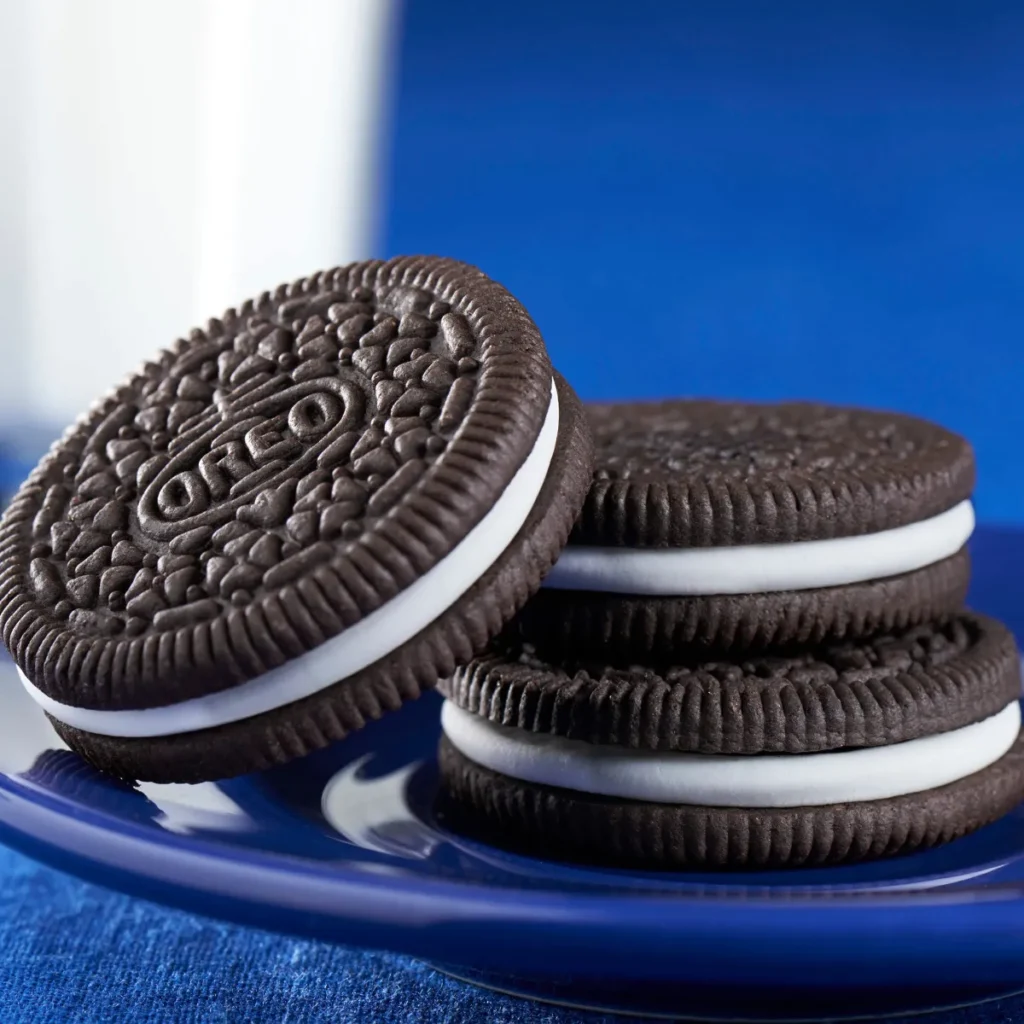
In 2025, Oreo topped the charts as the most posted snack on Instagram and TikTok. An analysis of 50 major U.S. food brands found over 11.2 million posts featuring Oreo across both platforms.
GoPro
GoPro has been implementing its UGC strategy for many years now, and it continues to thrive in 2025. This strategy was highlighted by their #GoProHero initiative, which worked with customers to submit video content about travel, adventures, and everyday life. That was then curated and shared on their social media channels.
So, what to track now? (Hint: Stop focusing on popularity)
Do not be so focused on only reaching—track the following:
- The amount of return/re-engagement on social after making a post.
- How many people signed up for emails, trialed products, or downloaded apps based on social posting?
- The number of creator-driven/affiliated “incremental” conversions from influencer cohorts (interactions, clicks, etc.).
- Track how active your online community is—monitor engagement per member, the number of new threads they create, and who’s starting to churn compared to before.
All of these items will help you track your overall success toward business goals and may mitigate against temporary ranking changes.
A 6-point checklist to start tomorrow (no ad budget)
Start this 6-item checklist tomorrow—no extra ad spend needed:
- Review your top-performing content formats/reach for each platform from the previous month and create three “native” or original pieces of content from that data.
- Create an email (or Discord) micro-community and provide at least one additional or “exclusive” piece of value each week to members.
- Experiment with one creator partnership using outcome-based Key Performance Indicators (KPIs) (instead of focusing on reach or impressions).
- Utilize the existing long-form content you have and create a three-part series for social media platforms, including Reels, YouTube Shorts, and Instagram Feed.
- Display/provide clear attribution to products when creating so that if you get flagged, you can address and reduce the risk of getting your post banned.
- Tag all posts with specific, relevant keywords/captions/chapters so search engine optimization can help people find you.
Cut to the chase
Algorithms will continue to evolve as various signals are prioritized in each iteration. This is fantastic news for brands that build human attention, rather than trying to “beat” a single feed: owned connections, consistent value, and native formats. To survive the 2025 reset, you don’t need a larger advertising budget. Instead, you need a more intelligent content system that generates recurring signals that platforms can’t ignore.