
Vladimer Botsvadze On AI Personalization, and the Future of Marketing
Marketing is shifting from static campaigns to real time, intelligent conversations powered by artificial intelligence. Brands are no longer just broadcasting messages, they are actively engaging, learning, and adapting to users in real time.
In this conversation, we speak with Vladimer Botsvadze, a globally recognized marketing strategist who advises global brands and executives on AI driven growth, digital storytelling, and customer engagement strategies.
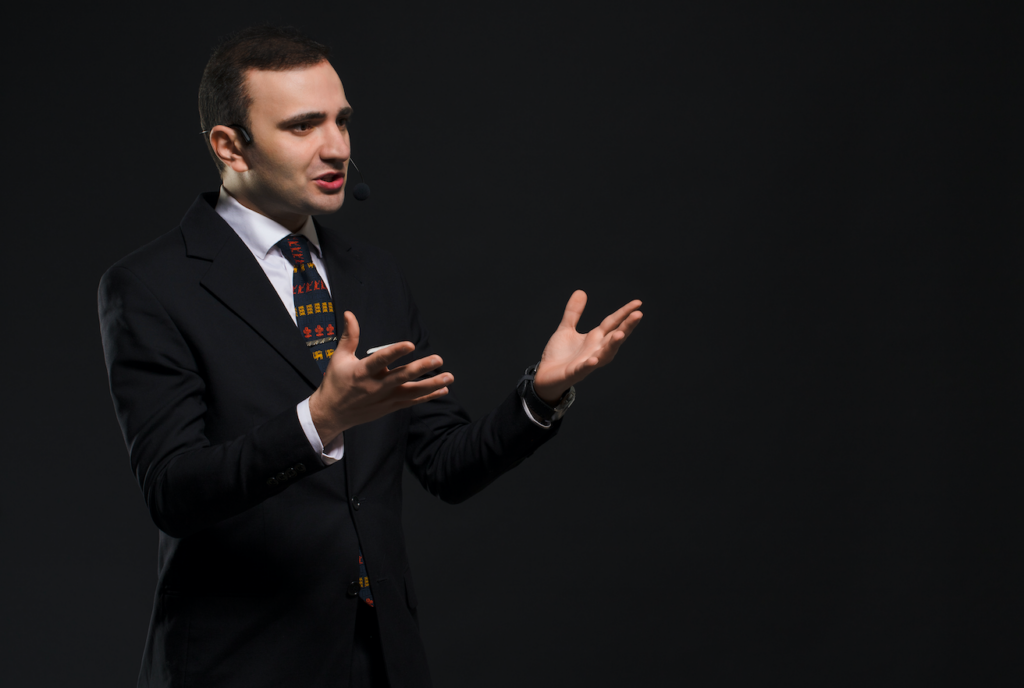
Vladimer, thanks so much for joining us today. To start, how do you see generative AI changing the way marketers approach campaigns beyond just automation?
Vladimer Botsvadze:
Absolutely. Generative AI isn’t just about doing the same work faster, it’s about rethinking marketing entirely. For example, it can help brands listen to their audiences in real time, craft highly engaging content, and even optimize campaigns automatically. With over 5.2 billion social media users today, rising above the noise is crucial. Brands that truly embrace generative AI can not only reach people more effectively, but also create content that resonates on a personal level.
That’s interesting. When we talk about AI-powered personalization, what does that really mean for global brands?
Vladimer Botsvadze: Personalization today is about understanding consumers at a deep level and creating experiences tailored to them. Think about Netflix, Uber, and Amazon, they excel because they don’t just push content; they listen, learn, and respond. AI helps brands identify preferences, anticipate needs, and deliver content that feels personal. That’s why personalization drives retention and loyalty, it makes the consumer feel seen and valued.
In terms of AI use cases for marketers, which do you think is the most impactful today?
Vladimer Botsvadze:
I’d say tools like ChatGPT are game changers. They allow marketers to generate ideas, draft campaigns, and even create entire narratives instantly. In my own work, I see AI as the ultimate competitive advantage. It helps you move faster, scale creativity, and focus on strategy while AI handles repetitive tasks. The more marketers leverage these tools, the more they can differentiate themselves in a crowded digital landscape.
And what about brand storytelling? How is AI reshaping the way marketers build trust with their audiences?
Vladimer Botsvadze: AI helps marketers tell better, more engaging stories across multiple channels, whether it’s video, audio, or written content. Today, telling your story doesn’t have to cost a fortune. With AI, you can reach audiences on social media, respond to questions, and maintain long-term engagement all at almost zero cost. This levels the playing field and allows smaller brands to compete with industry giants.
When creating AI-driven content, what ethical considerations should marketers keep in mind?
Vladimer Botsvadze: Ethics is critical. Marketers should ensure AI-generated content is transparent, truthful, and respects intellectual property. For instance, when generating images or videos, it’s important to avoid misrepresentation. It’s not about restricting creativity, it’s about using these tools responsibly so your brand maintains credibility and trust.
AI voice agents are a big topic right now. From a marketing perspective, what role do they actually play?
Vladimer Botsvadze:
AI voice agents are changing the entire interaction model between brands and customers. Instead of typing or clicking, users can now simply speak and get responses instantly. For marketers, this opens a new channel where engagement becomes more natural and more human like.
Subscribe to our bi-weekly newsletter
Get the latest trends, insights, and strategies delivered straight to your inbox.
Let’s talk about personalization. Everyone says it, but what is actually different now with AI?
Vladimer Botsvadze:
Earlier personalization was basic and rule based. Now it is dynamic, predictive, and continuously evolving based on user behavior. Companies like Netflix, Amazon, and Uber show how powerful it becomes when systems truly understand users in real time.
From a marketing leadership point of view, what is the biggest opportunity AI is creating right now?
Vladimer Botsvadze:
The biggest opportunity is scale and leverage. Marketers can now do much more with fewer resources. Content creation, audience research, and campaign optimization all happen faster. This gives early adopters a major competitive advantage in the market.
Many marketers are overwhelmed by AI tools. What should they actually focus on first?
Vladimer Botsvadze:
They should focus on outcomes, not tools. AI is not about using every platform available. It is about improving results like engagement, conversions, and customer experience. Once you focus on outcomes, tool selection becomes much simpler.
How do you see AI changing brand storytelling in marketing?
Vladimer Botsvadze:
AI has made storytelling more accessible than ever. Brands can now create content across text, video, and audio without large production costs. This allows them to communicate more frequently and stay relevant in fast moving digital environments.
In this era of AI, how can a marketer build authority as a thought leader?
Vladimer Botsvadze:
Building authority takes time and consistency. Start small, focus on content creation, and engage meaningfully with your audience. In my own journey, I started from zero followers and gradually built a following through persistent sharing, listening, and networking. AI can amplify your efforts, but emotional connection and authenticity are irreplaceable. People remember how you make them feel, not just what you post.
What is one thing marketers still get wrong when it comes to AI adoption?
Vladimer Botsvadze:
Many marketers focus too much on automation and forget about authenticity. AI can generate content easily, but trust is built through consistency and real human connection.
So the balance between efficiency and authenticity is very important.
How can marketers build real authority in an AI driven world?
Vladimer Botsvadze:
Authority comes from consistency and value creation. You need to share insights regularly, engage with your audience, and stay visible in your industry. Over time, that consistency builds trust and recognition.
How should CMOs ensure AI enhances their team’s creativity rather than replacing it?
Vladimer Botsvadze:
AI should be a tool to expand creativity, not limit it. For me, AI allows me to explore new ideas, experiment faster, and focus on strategy while it handles repetitive tasks. The key is curiosity, use AI to push boundaries, test new concepts, and remain engaged in storytelling.
Your human insight and intuition will always be what makes campaigns stand out.