Kirti Chauhan on What the Australia Social Media Ban for Under-16s Really Means for Marketers
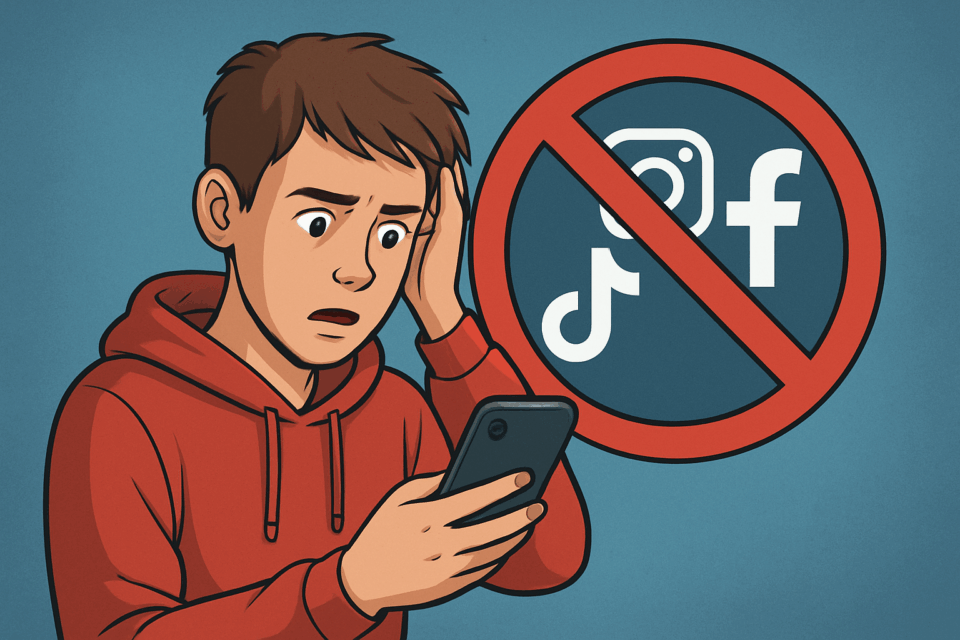
Audience behavior is evolving faster than regulations, privacy policies, and platform age limits can keep up. The recent Australia social media ban for those under 16 has made mainstream apps less accessible to a younger audience, forcing marketers to rethink how they reach, engage, and retain this demographic—both online and offline.
To unpack what this shift means, we spoke with social media strategist Kirti Chauhan, whose 11+ years in journalism, PR, and digital communications give her a rare, multi-lens perspective on how platform policies collide with real user behavior. With experience spanning wide, she has witnessed firsthand how youth consumption, influencer culture, and brand strategies have transformed over the last decade.
Kirti breaks down how the under-16 ban could reshape youth engagement, what it means for influencers and creator ecosystems, and the steps brands must take now, from rethinking content formats to exploring safer, hybrid online-offline touchpoints.

Let’s start with: Do you think this whole Australia social media ban thing will actually stop younger teens from being online—or just change how they use it?
Chauhan: Honestly, it will not stop younger teens from being online. Kids are far more tech-savvy than we give them credit for, and they will always find a way around restrictions, whether it’s VPNs, alternate emails, or using a parent’s device. But what it will do is change how they use the digital world.
Instead of being constantly exposed to addictive feeds, toxic comparison culture, and cyberbullying, they may shift to more controlled spaces like family chats, moderated communities, or school platforms.
So, while the ban won’t fully remove them from the internet, it can reduce their exposure to the darker side of social media and give their mental health some breathing room, and that itself is a win.
How creepy (or not) is the idea of having to prove your age with ID or video selfie? Do you think people will be okay with that?
Chauhan: It is definitely unsettling for many people, especially when it involves facial scans or storing IDs online. Parents want safety, not surveillance. The fear is valid; once your biometric data is out there, it’s impossible to take it back. But at the same time, online harm has become so real that some form of verification is now unavoidable.
If platforms can guarantee that the verification data isn’t stored, misused, or tracked, and is handled by independent systems instead of Big Tech, then people may slowly accept it. In today’s age of deepfakes and AI-generated kids’ content, knowing who is actually behind a screen is becoming crucial.
If under-16s can’t have full accounts, do you think they’ll just hang out more on games or apps that aren’t covered by this law?
Chauhan: Very likely, yes. Whenever you shut one digital door, kids simply walk through another. They may shift to gaming communities, anonymous chat forums, or lesser-known apps where there is even less regulation. This is the biggest irony; a ban may push them into darker, more unmonitored spaces.
That’s why any policy like this has to go hand in hand with strong digital-literacy education. Kids need to learn how to navigate the online world safely, not just be locked out of it till they turn 16.
Do you expect brands to talk to younger teens any differently now—like, will the vibe or type of content change?
Chauhan: Absolutely. Brands will have to rethink their tone and strategies. You may see a shift from influencer-heavy, aesthetic-driven content to more utility-based or family-friendly messaging. Many companies may even target parents instead of teens because parents will now become the entry point for everything from gadgets to learning platforms.
Subscribe to our bi-weekly newsletter
Get the latest trends, insights, and strategies delivered straight to your inbox.
But on the positive side, this could reduce the pressure on young teens to participate in trends, look a certain way, or constantly compare themselves. And that reduction in social pressure can do wonders for mental well-being.
What do you think will happen to influencer culture for teens—will younger creators suffer because their under-16 fans vanish?
Chauhan: Young creators may feel the immediate impact of Australia’s social media ban with fewer views, slower growth, and reduced engagement. The entire “cute teen influencer” economy may shrink. But in the long run, this might actually clean up space.
We’ve seen too many minors being pushed into content creation, facing online trolling, or getting trapped in early fame. A temporary slowdown could protect kids from burnout and allow them to focus on school, hobbies, and real-world experiences instead of chasing algorithms. It’s a loss for numbers, but potentially a gain for childhood.
Could this law push teens to use less mainstream or more ‘underground’ social platforms? And is that scarier for marketers or safer for kids?
Chauhan: It’s a bit of both. Teens will explore whatever feels accessible. And underground platforms, anonymous apps, private communities, and low-regulation spaces often come with higher risks of grooming, hate speech, and harmful content. It’s a bit of both. Teens will explore whatever feels accessible.
And underground platforms, anonymous apps, private communities, low-regulation spaces, etc., often come with higher risks of grooming, hate speech, and harmful content.
For marketers, it becomes a blind spot. For parents, a nightmare. But for teens, it becomes a place they feel “free”, even if it’s unsafe. This is why bans alone don’t work. Regulation, monitoring, digital education, and responsible tech design need to work together. Otherwise, the shift to underground platforms can make things worse, not better.