
The Downfall of Influencer Marketing is Giving a Way to Creator’s Economy
The future of influencer marketing relies on people, not brands. That may be hard to accept. Viewers, once captivated by influencers, are seeing things differently.
Inflation, inauthenticity, fatigue, endless ads, and constant consumerism impact everyone.
Over time, brands have exploited influencers and their potential to develop independent identities. As influencer marketing reaches its ‘washed-up’ phase, its fading relevance is likely to boost the creator economy.
Let’s explore these developments in detail and dive into the discussion.
Influencer marketing has turned into ‘slop’
Influencers have existed forever. The internet promised to own them. What began with admiration and likability—brands now turn influencers into caricatures of ‘unrelatable walking billboards.’
In my college era, the ‘Ice Bucket Challenge’ trend broke out on the internet. There were influencers, but without donning Gucci bags and Stanley cups. They participated but never took the spotlight away from the trend. Everybody had their relevance at the moment, and even after a decade, I can remember the challenge.
Now, here’s a taste of new trends. The skincare boom is driven by online trends. Kojic soap, retinol, and peptide creams are popular in social media communities. Skincare influencers play a major role in spreading these trends.
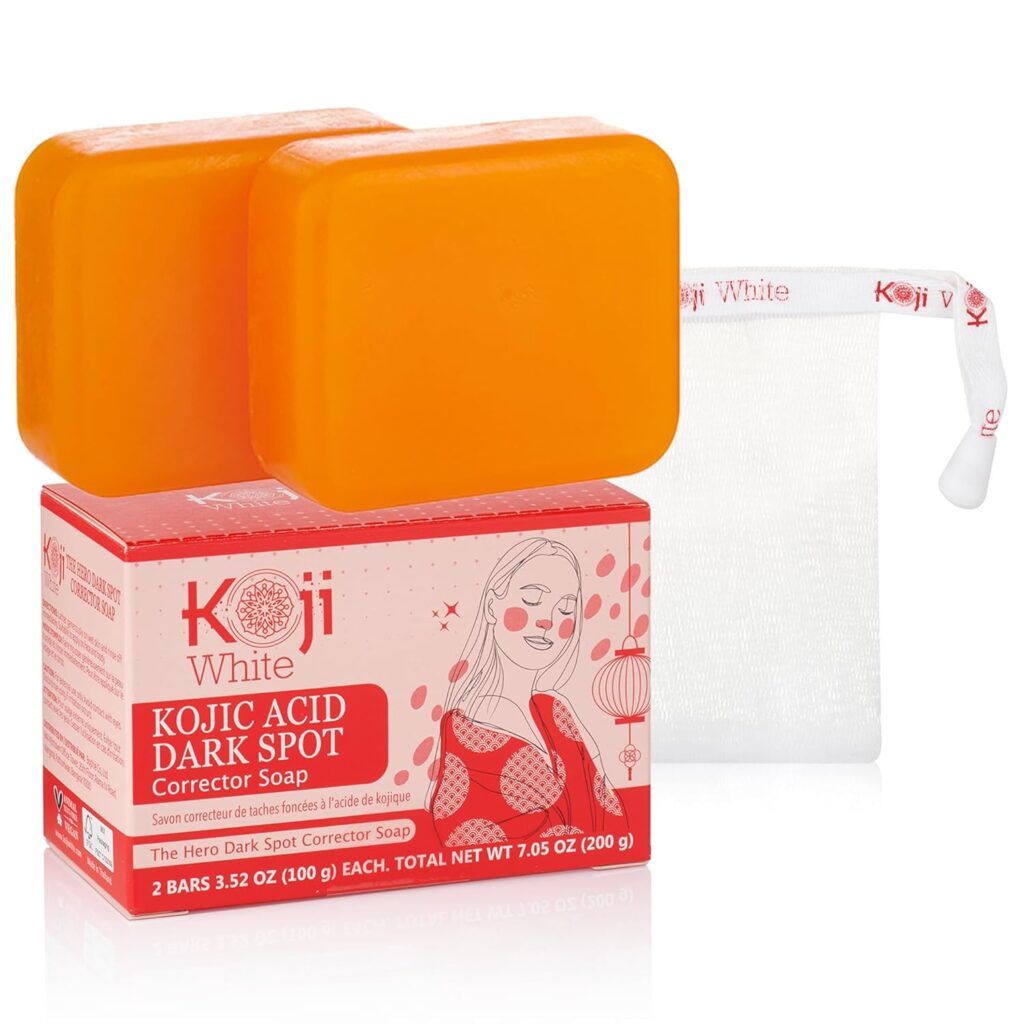
The reason is brands. Kojic soap went viral in weeks, with search interest increasing within the first month of its surge. Before-and-after montages captivated users online, and brands took notice as sales spikes coincided with these viral marketing strategies.
The same phenomenon occurred with the boom in retinol and peptide creams, where these products saw a rise in sales following their trending status on social media. Disguised as quick fixes for skin pigmentation, these trends generated views and sales for influencers and brands.
“In a rinse-off product like soap, the contact time is too short for visible change,” Amy Wall, a licensed esthetician, pointed out the truth behind these hyped products.
Product after product, trends after trends—influencers move from one brand to another in no time. And that leaves consumers confused. A 150 ml bottle of salicylic acid could take at least weeks to finish, but your influencer can hoard five more salicylic acid brands in a day without finishing the first one.
Subscribe to our bi-weekly newsletter
Get the latest trends, insights, and strategies delivered straight to your inbox.
This change influences the relationship between influencers and their followers.
Consumerism, confusion, and trust gap
“In this world of filters and celebrities and influencers, what I’m seeing is that people want something that feels real,” said Patrick Buchanan, SVP of marketing, at an eMarketer session.
Imagine Emily, a digital native in her mid-twenties, starting her daily scroll through social media. Between the curated posts and polished photos, she pauses. She craves authenticity, feeling disillusioned by influencers who once seemed genuine but now appear driven by brand collaborations. Emily’s internal narrative reflects a broader sentiment: Can she trust what she sees anymore?
The craving for something real is harming influencers’ position. Brands still fund influencer marketing but overlook that users now value authenticity.
The trust gap grows with every trend. eMarketer’s Sky Canaves notes, “Influencer fatigue and distrust in sponsored content is rising.”
Sponsored content has created space for micro-influencers. Here are some fascinating numbers:
- Micro influencers are 87 % preferred by brands in 2025.
- Micro engagement rates can be 2–5× higher than macro equivalents.
- Brands are increasing micro influencer partnerships ~33 % year-over-year.
What will macro influencers do with one million followers if they are not getting any brands?
These are unanswered questions. Perhaps we shouldn’t look to influencer marketing for answers. Maybe there is something more to it.
Niche communities are for the win
First, attention has become significantly fractured. Mass audiences are harder to reach. Enter the Algorithmic Architect, a mysterious force in the digital landscape, learning preferences better than humans ever could. No longer does it favor sheer quantity; it prefers depth over scale. This unseen influencer shapes content visibility, steering people away from excess and toward what truly matches their interests.
Niche communities speak personally, not broadly. Big creators get views; niche creators earn loyal believers.
Trust grows quickly in small communities. People follow because creators understand their problems, not for aesthetics or fame. That trust enables niche creators to sell $50 newsletters, while mega-influencers struggle to monetize their fan base.
Algorithms favor specificity. They reward content that gets saved, commented on, and has longer watch times—not just reach. Niche content delivers. A video on “product marketing for early-stage SaaS founders” outperforms broad “marketing tips” every time in its niche. The algorithm prioritizes depth over scale, so focused creators tend to surface more frequently.
Community matters more than content. Niche creators spark real discussions, not just broadcasts. Their comment sections are forums, not dead zones. When followers connect with one another, retention increases, that’s what human connection platforms can’t replicate.
Finally—and importantly—people are growing weary of mass culture. The internet can feel overwhelming or repetitive. Niche communities, on the other hand, often provide a sense of relief and a quieter, more focused space. That’s exactly why they grow.
Cut to the chase
Influencer marketing is encountering significant challenges, and recovery may be complex. However, the rise of creators and niche communities signals new and clear possibilities. As the landscape evolves, marketers should consider auditing their current influencer spend to align with changing dynamics.