Bad Bunny Heads the 2026 Super Bowl Halftime Show, and Things Change Now
Bad Bunny headlining the 2026 Super Bowl halftime show is not a side act. This is the main story. It’s a cultural statement: the Super Bowl, America’s biggest televised event, is putting Spanish language and Latino identity at the forefront.
For marketers, this moment is about more than music or entertainment. It challenges old advertising assumptions about who the mainstream audience really is.
From now on, ‘American audience‘ doesn’t automatically mean ‘English first.’ Imagine your brand’s equity eroding each time a bilingual competitor speaks first to the consumers who are now mainstream.
Let’s take a closer look at next year’s biggest NFL show.
The 2026 Super Bowl Halftime Show gives a cultural reality check
Let’s make one thing clear: Brands must open their markets for a new demographic.
Take a look at the numbers that matter. According to the latest data, the Hispanic (Latino) population in the U.S. has increased to approximately 68 million in 2024, which is roughly 20% of the total population.

That means 1 in every 5 Americans belongs to or identifies with Hispanic heritage.
At the same time, Hispanic communities are becoming more educated and integrated. College enrollment and graduation rates have increased significantly among Hispanics in recent years.
Yet for many brands and advertisers, this reality is not reflected in their campaigns. English-only is still seen as the default. Bilingual ads, or those that put Spanish at the center, are rare. When Spanish is used, it is often token, limited to Hispanic Heritage Month, or based on stereotypes.
Bad Bunny as a cultural reset button
Bad Bunny’s Super Bowl booking is historic. For the first time, a solo artist who mainly performs in Spanish will headline the halftime show.
Subscribe to our bi-weekly newsletter
Get the latest trends, insights, and strategies delivered straight to your inbox.
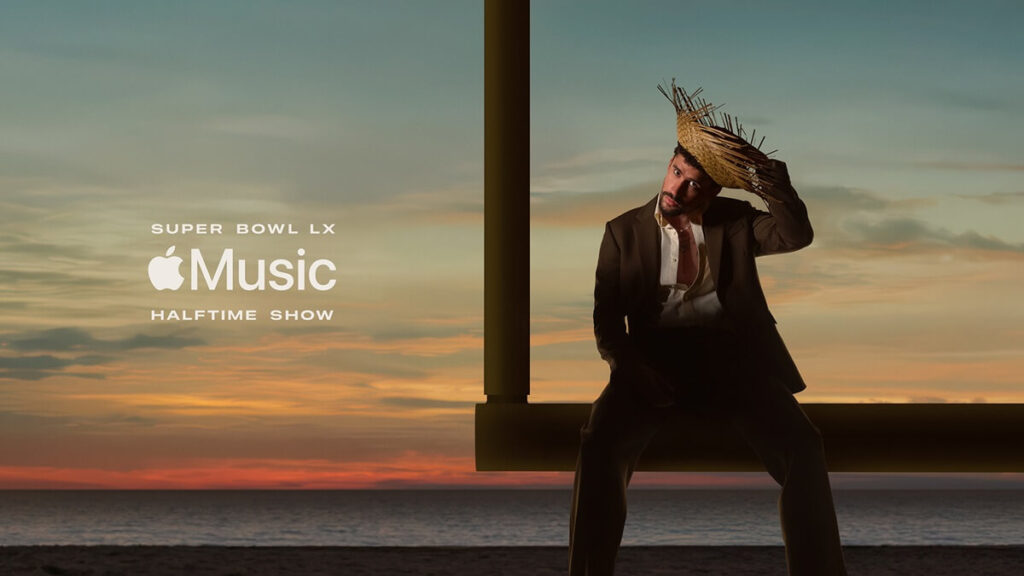
The man himself provided the context. In a public statement after the booking was confirmed, Bad Bunny said: “This is for my people, my culture, and our history.”
When critics complained about a Spanish-language set, he answered with an SNL monologue that mixed defiance and humor, joking that if people didn’t understand him,
“they have four months to learn.”
On the demand side, his streaming numbers jumped after the announcement. Data shows a 26 percent increase in on-demand streams in the U.S. in the days following the halftime show announcement.
This proves two things: there is a large, active audience for Spanish-language music, and that audience can create buzz quickly, especially during a global event.
Why brands still cling to the past
The gap in advertising is clear. Are brands missing out? Yes—they are missing one in five Americans. If the audience has changed, why doesn’t advertising? The industry is held back by old assumptions, institutional biases, risk aversion, and organizational silos.
Many brands still worry that bilingual or Spanish-led campaigns might alienate traditional or older audiences. Some do the bare minimum, adding a Spanish tagline or making a Hispanic Heritage Month ad once a year.
Others lack the creative teams who truly understand Latino culture beyond clichés. Addressing these concerns requires a strategic approach. Brands can pilot bilingual campaigns in select markets to test engagement and receptivity.
There is a deeper issue as well: many advertisers see multicultural audiences as a ‘segment’ instead of part of the mainstream. As a result, minority audiences are kept on the sidelines of creative strategy, not at the center.
Because of this, campaigns stay English-focused, safe, and generic. But with 1 in 5 Americans being Hispanic, relying only on English is starting to look like a major oversight.
Hispanic purchasing power is real
And this potential is underused. The business case is clear. Recent research shows Hispanic households in the U.S. spend more than their share of the population would suggest.

A 2025 analysis found that Hispanic shoppers comprise approximately 14.7 percent of U.S. households, yet they spend more than their share, contributing more than expected to overall consumer spending growth.
That’s the impact. Younger age groups, strong digital connections, cultural roots, and bilingual skills all make Hispanic consumers especially open to connecting with brands and culture.
With population growth projections pushing Hispanic share even higher over the next decades, treating this group as a niche is just bad math.
How smart brands should show up at the Super Bowl Halftime show
To succeed now, brands need to be fluent, not just translate. Ads should reflect bilingual, bicultural, and blended experiences. The tone matters: Spanish and Spanglish should feel natural, confident, and authentic, not forced or watered down.
Brands need creative teams and strategists who truly understand Latino identity—its details, its mix of generations, and its blend of tradition and modern life. This requires real inclusion behind the scenes, not just on screen.
Super Bowl Halftime campaigns should treat identity as central, not as a niche. Whether it’s lifestyle, music, fashion, food, or tech, reaching Latino consumers is not just about separate ads. It means rethinking what a ‘mainstream campaign’ really is. From a strategic point of view, events like the Super Bowl should be seen as more than just places to run ads.
To facilitate this shift, brands can adopt a strategic framework centered on inclusivity and authenticity. This involves three main steps:
1. Integrative Creative Strategies: Develop campaigns by integrating Latino culture into the primary narrative rather than isolating it as a segment.
2. Cross-Cultural Teams: Ensure that the creative and strategic teams reflect diverse backgrounds.
3. Consumer-Centric Media Planning: Approach media planning with a mindset that prioritizes cultural sensitivity.
By embedding this framework into business strategies, brands can move beyond seeing multicultural audiences as optional and make them central to their growth plans.
Cut to the chase
With Bad Bunny’s Super Bowl Halftime show, the U.S. is getting a live, prime-time reminder that Spanish is part of American identity. Brands still see Hispanic audiences as secondary or optional. The new mainstream is no longer English-first.