GAP’s ‘Fashiontainment’ Push Signals a Bigger Shift in Fashion Marketing
Fashion brands are pivoting into new spaces to drive growth and strengthen their branding among consumers. From Sydney Sweeney’s ‘good jeans’ to Gillian Anderson’s compliments to strangers, fashion and apparel brands are increasingly focused on finding memorable faces, creating pop-culture moments, and driving attention to themselves.
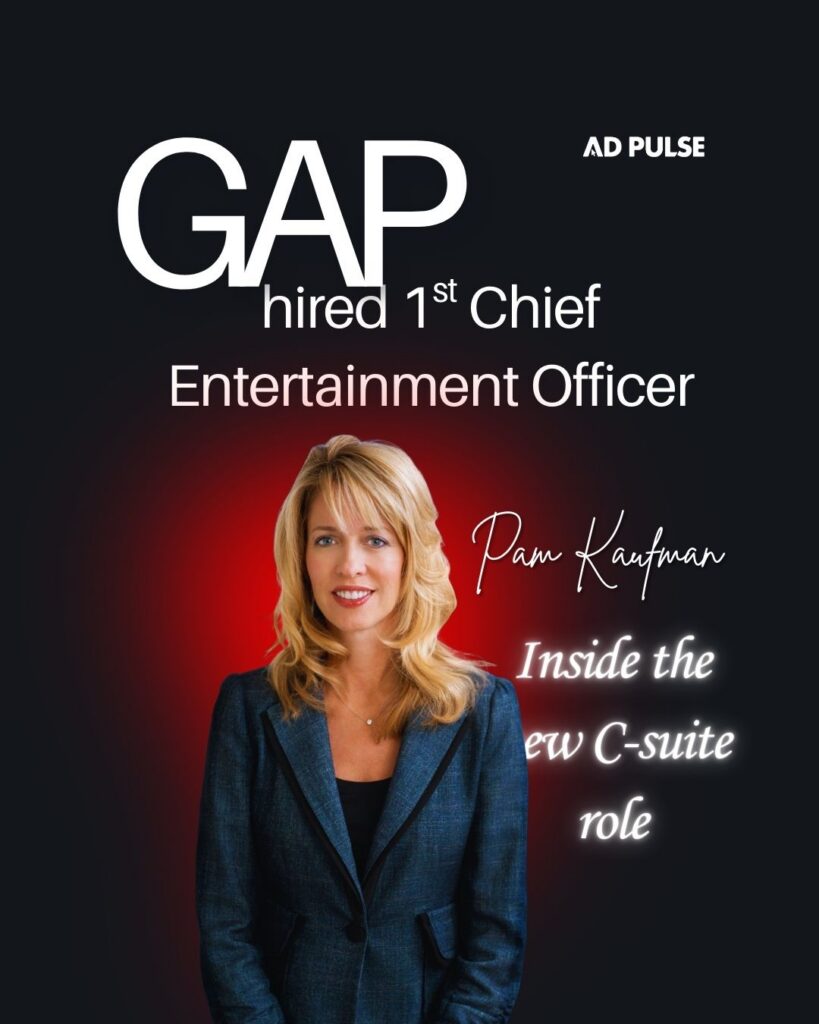
GAP went revolutionary with its new year plans and hired Pam Kaufman, an ex-Paramount executive, as its new Chief Entertainment Officer (CEO).
It was never a new strategy to hire celebrities or influencers to drive campaigns, improve reach, and increase conversions. Nonetheless, cutting out a new C-Suite role for entertainment in fashion is making heads turn.
So, let’s get ready to dive deep inside this new convergence of entertainment, Hollywood, and fashion in the marketing industry. We are here to explore this new phenomenon and what it is supposed to do for brands.
Q1 for leading fashion brands dominated by Entertainment
If you go by numbers, the first quarter was jam-packed with campaigns that had big Hollywood celebrity faces or had a motive to spark some pop-culture moments.
Dakota Johnson ad for Calvin Klein
A new campaign leaning into Dakota Johnson’s understated allure, reinforcing Calvin Klein’s long-standing formula: minimalism, intimacy, and a pinch of provocation to keep it culturally sticky.
GAP ads with Katseye to Gwyneth Paltrow
GAP plays the contrast game, pairing Gen Z energy with legacy faces to position itself as both culturally current and timeless, without fully committing to either.
M&S campaign with Gillian Anderson
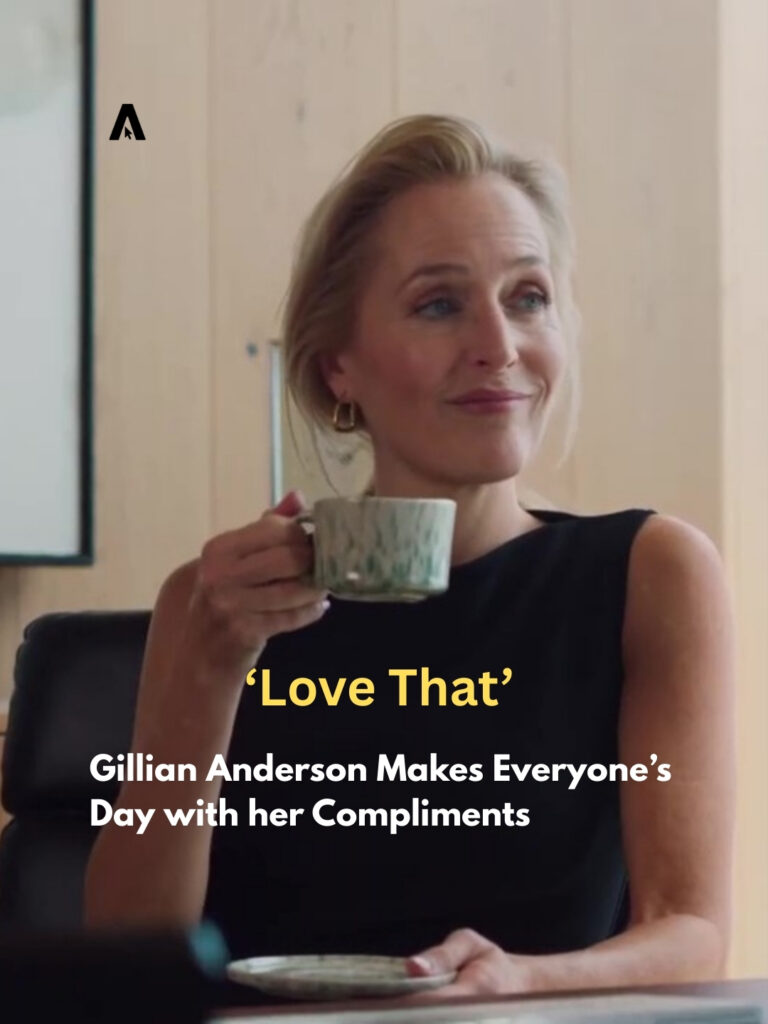
Gillian Anderson, as the brand’s “Chief Compliment Officer,” compliments strangers, making unscripted interactions central to the story.
American Eagle with Sydney Sweeney
American Eagle leverages Sydney Sweeney’s viral appeal and relatability to dominate social feeds.
Richard Dixon, CEO of GAP, said, “Fashion is entertainment, and today’s customers are not just buying apparel, although of course our product has to meet and exceed their expectations, but they’re buying into brands that tell compelling stories and drive cultural conversation.”
Fashion brands are entering a new era where memorability is leveraged through popular faces in campaigns. GAP wants to maintain a sort of celebrity tint with its brand name. And the same goes for American Eagle (AE).
Over half (54 percent) of consumers discover new brands within entertainment content, rising to 78 percent for luxury fashion consumers, according to an Amazon Ads survey.
American Eagle saw a boost in sales, market share, and engagement on digital platforms. One campaign and digital natives will keep the narrative alive for a long time.
GAP’s Fashiontainment, a marketing gamble or structural shift
While presenting the company’s financial performance, Dixon revealed the plan.
“As we continue to build our brands, we see this intersection of fashion and entertainment, our fashiontainment platform, as a powerful growth lever.”
Gap is advancing beyond traditional celebrity-led campaigns, placing itself at the intersection of fashion and entertainment through its ‘fashiontainment’ platform.
This approach shows a shift in the company’s brand-building strategy.
Instead of relying solely on seasonal collections or star power, Gap is working to integrate fashion with cultural moments, aligning product drops, collaborations, and storytelling more closely with the entertainment calendar.
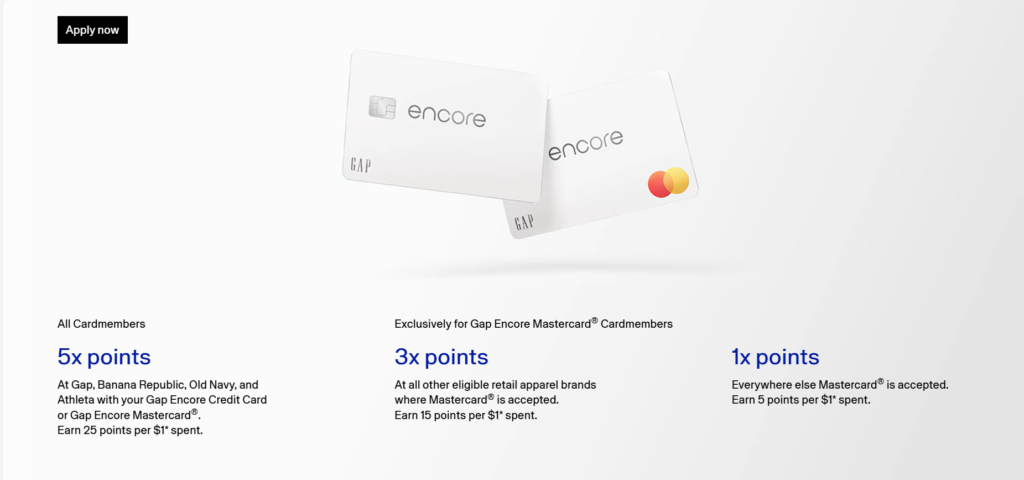
A key part of this change is rethinking engagement. With nearly 40 million active U.S. members, Gap now sees its loyalty base as more than just a retention tool.
The new Encore program reflects this change, moving from a points-based model to an experience-based one.
Now, the program connects purchases with access, linking fashion to entertainment, events, and culture. Gap aims to make loyalty a constant engagement platform, not just a backend incentive.
The new Entree, Pam Kaufman, straight from Hollywood
GAP is not working on a half-baked plan. KATSEYE’s MILKSHAKE video was a huge win for the brand. It became popular on TikTok, and all eyes were on the accessories and denim.
The brand saw potential in creating an image that could offer consumers an interactive feel, as well as potential consumers, a reason to experience commerce. And that’s where Pam Kaufman’s appointment came into place. She is an ex-Paramount executive and newly appointed Chief Entertainment Officer.
Still, creating another C-suite role like the CMO raises questions about whether GAP knows what it is doing or if it is just another way to redesign its customer service.
“The role of the chief entertainment officer will be to think more broadly about how to link those viral moments to create a cohesive brand narrative or strategy that can capitalize on viral moments, but isn’t solely dependent on them,” Emarketer’s Analyst, Sky Canaves, said.
The supposed measurable factor is not in the room with us; it is in another quarter, where we may experience the results of this new player.
Entertainment goes interactive; commerce turns experiential
The intersection of entertainment and commerce is redefining how brands connect with their audience. Here is a breakdown of that shift:
Interactive Entertainment as Research: Entertainment is no longer a passive experience; it is an interactive tool brands use to track how consumers participate, shape, and respond to content in real time.
The Rise of ‘Fashiontainment’: Brands like GAP are moving away from traditional ads toward “cultural engagement.” This includes music collaborations, live events, and content drops that turn fashion into a performance or a cultural moment.
Experiential Commerce: Buying a product is now about “buying into” a moment. Through limited drops, loyalty access, and collaborations, commerce has shifted from simple ownership to providing community and relevance.
Cultural Integration over Advertising: Following the blueprint of the food and beverage industry (like the Travis Scott x McDonald’s partnership), brands are integrating into existing fan bases. Success is measured by how well a brand translates cultural influence into commercial outcomes.
The Merged Playbook: The boundaries between entertainment and retail have collapsed. By using creators and celebrities to build ongoing engagement, brands are moving from “selling a product” to “restructuring engagement.”
Cut to the chase
Fashion brands are fundamentally changing how they market by integrating entertainment more strategically. While the convergence of fashion and entertainment is not new, the main shift is in brands’ intent: they are now building lasting cultural moments and ongoing consumer engagement as core goals, rather than focusing solely on selling products.